 English EN
  Indonesia ID

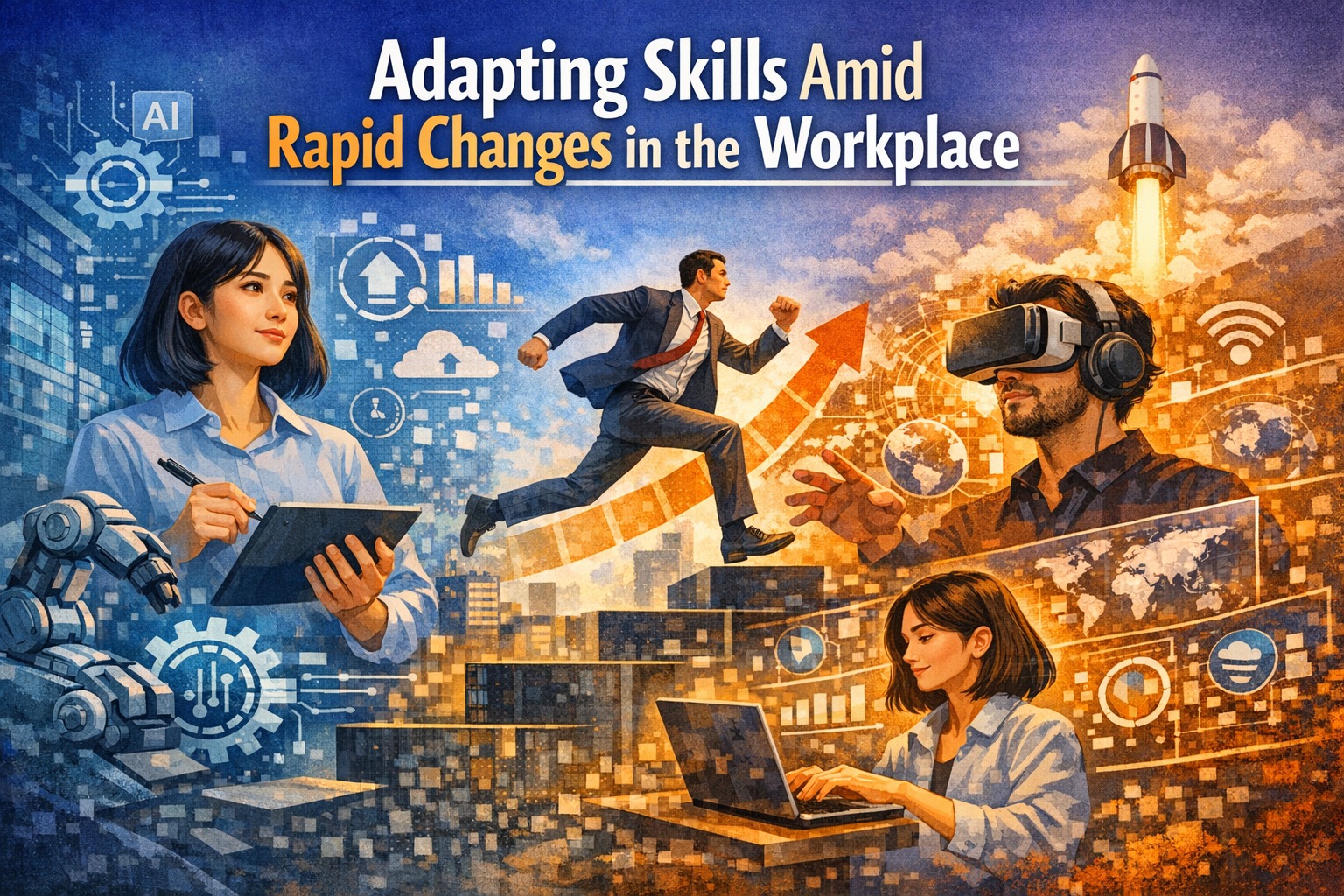
The modern workplace is undergoing a transformation at an unprecedented pace. Technological advancements, globalization, and shifting economic demands have reshaped how organizations operate and how employees contribute. As industries evolve, the expectations placed on workers are no longer static but continuously changing. This dynamic environment requires individuals to remain flexible and open to learning new competencies.
One of the most significant drivers of change is digital transformation. Automation, artificial intelligence, and data-driven decision-making have altered traditional job roles. Tasks that once required manual effort are now handled by machines, while new roles demand analytical thinking and technological proficiency. This shift creates both opportunities and challenges for the workforce.
In addition to technology, the rise of remote work and global collaboration has changed workplace structures. Employees are expected to communicate effectively across cultures and time zones. Adaptability is no longer optional but a fundamental requirement for success. Workers must navigate diverse environments while maintaining productivity and engagement.
Understanding these changes is the first step toward adapting effectively. By recognizing the forces shaping the workplace, individuals can proactively develop the skills needed to remain relevant. This awareness allows workers to anticipate future trends rather than simply reacting to them.
THE IMPORTANCE OF CONTINUOUS LEARNING
Continuous learning has become a cornerstone of professional growth in today’s fast-paced world. The idea of completing education and relying on that knowledge for an entire career is no longer realistic. Instead, individuals must commit to lifelong learning to stay competitive in their fields.
Learning can take many forms, from formal education to self-directed online courses and hands-on experience. The accessibility of digital learning platforms has made it easier than ever to acquire new skills. Employees can now update their knowledge without disrupting their work schedules, making continuous improvement more achievable.
Moreover, organizations increasingly value employees who demonstrate a willingness to learn. Employers recognize that adaptable workers contribute to innovation and resilience within the company. As a result, individuals who actively seek knowledge often have better career advancement opportunities.
Developing a mindset of curiosity and growth is essential. Rather than viewing change as a threat, individuals can see it as an opportunity to expand their capabilities. This perspective not only enhances professional success but also fosters personal development and confidence.
KEY SKILLS FOR NAVIGATING CHANGE
In a rapidly changing workplace, certain skills have become particularly valuable. One of the most critical is adaptability, which allows individuals to adjust to new situations and challenges. Employees who can quickly learn and apply new information are better equipped to handle uncertainty.
Another essential skill is digital literacy. As technology becomes integrated into nearly every aspect of work, understanding digital tools and platforms is crucial. This includes not only basic technical skills but also the ability to analyze data and use it to make informed decisions.
Communication skills also play a vital role in modern workplaces. With the increase in remote and hybrid work, clear and effective communication is necessary to maintain collaboration and productivity. Being able to convey ideas, listen actively, and work with diverse teams is highly valued.
Finally, critical thinking and problem-solving skills are indispensable. Employers seek individuals who can analyze complex situations, identify solutions, and implement them effectively. These skills enable workers to contribute meaningfully to organizational goals and adapt to evolving challenges.
STRATEGIES FOR BUILDING FUTURE-READY SKILLS
Building skills for the future requires a proactive and strategic approach. One effective strategy is setting clear learning goals. By identifying areas for improvement and focusing on relevant skills, individuals can create a structured path for development.
Networking is another powerful tool for skill development. Engaging with professionals from different industries provides exposure to new ideas and perspectives. This interaction can lead to valuable insights and opportunities for collaboration, helping individuals stay informed about industry trends.
Practical experience is equally important in developing new skills. Applying knowledge in real-world situations reinforces learning and builds confidence. Whether through internships, projects, or freelance work, hands-on experience allows individuals to refine their abilities and demonstrate their competence.
Consistency is key to long-term success. Developing future-ready skills is not a one-time effort but an ongoing process. By dedicating time and effort to continuous improvement, individuals can remain adaptable and resilient in the face of change, ensuring their relevance in the evolving workplace.