 English EN
  Indonesia ID

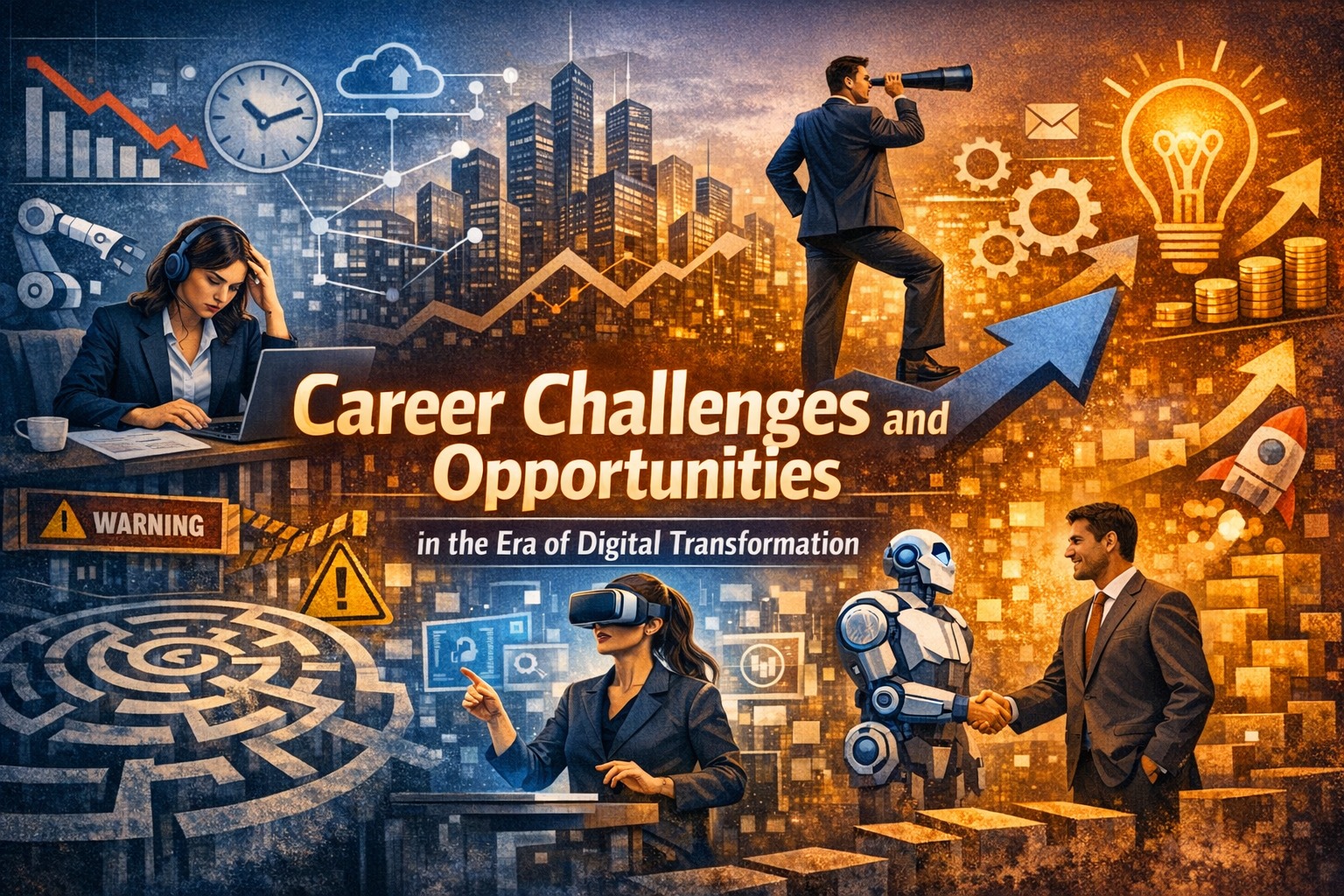
The rapid evolution of digital technology has fundamentally reshaped the global workforce. From automation to artificial intelligence, businesses are transforming how they operate, and this transformation directly impacts the nature of work. As industries become more digitally driven, professionals are required to adapt quickly or risk being left behind.
Digital transformation is not only about adopting new tools but also about shifting mindsets. Organizations now prioritize agility, innovation, and continuous learning. This creates both uncertainty and excitement for individuals navigating their careers in this evolving landscape.
While some traditional roles are diminishing, new career paths are emerging at an unprecedented pace. Jobs that did not exist a decade ago are now in high demand, especially those related to data, cybersecurity, and digital marketing. This dynamic shift opens doors for those willing to learn and evolve.
However, the transition is not always smooth. Many professionals struggle to keep up with the speed of change, creating a gap between existing skills and market demands. Understanding these challenges is essential to unlocking the opportunities that come with digital transformation.
THE IMPACT OF TECHNOLOGY ON JOB MARKETS
Technology has significantly altered the structure of job markets worldwide. Automation has replaced repetitive and manual tasks, increasing efficiency but also reducing the need for certain types of labor. This shift has created concerns about job displacement, particularly in industries reliant on routine work.
At the same time, technology has generated new employment opportunities. Roles in software development, data analysis, and digital content creation continue to grow. Companies are seeking individuals who can not only use technology but also innovate with it.
Remote work has also become a defining feature of the digital era. With the help of digital tools, professionals can now work from virtually anywhere. This flexibility expands job opportunities beyond geographical limitations and allows companies to access a global talent pool.
Despite these advancements, inequality in access to technology remains a challenge. Not everyone has the same opportunities to develop digital skills, which can widen the gap between different segments of the workforce. Addressing this issue is crucial for creating a more inclusive job market.
SKILLS REQUIRED TO THRIVE IN A DIGITAL ECONOMY
In a digitally transformed world, technical skills are no longer optional. Proficiency in areas such as data analysis, programming, and digital communication has become increasingly important. These skills enable individuals to remain relevant and competitive in a rapidly changing environment.
However, technical expertise alone is not sufficient. Soft skills such as critical thinking, adaptability, and collaboration are equally valuable. Employers are looking for individuals who can navigate complex problems and work effectively in diverse teams.
Continuous learning has become a necessity rather than a choice. Professionals must be willing to update their skills regularly through courses, certifications, and practical experience. This mindset helps individuals stay ahead of industry trends and technological advancements.
Another important aspect is digital literacy. Understanding how to use digital tools responsibly and effectively is essential for success. This includes not only technical competence but also awareness of digital ethics and data privacy concerns.
BALANCING CHALLENGES AND OPPORTUNITIES FOR FUTURE CAREERS
The era of digital transformation presents a unique combination of challenges and opportunities. While some jobs are disappearing, others are being created at a rapid pace. This duality requires individuals to be proactive in shaping their career paths.
One of the main challenges is the fear of uncertainty. Rapid changes can make career planning more complex, as traditional paths are no longer guaranteed. However, this uncertainty also encourages innovation and exploration of new possibilities.
Opportunities arise for those who embrace change. Individuals who are open to learning new skills and adapting to new environments are more likely to succeed. The digital era rewards curiosity, resilience, and a willingness to take risks.
Ultimately, the key to navigating this landscape lies in balance. By acknowledging the challenges while actively seeking opportunities, professionals can build sustainable and fulfilling careers. Digital transformation is not just a disruption but also a gateway to growth and innovation.