 English EN
  Indonesia ID

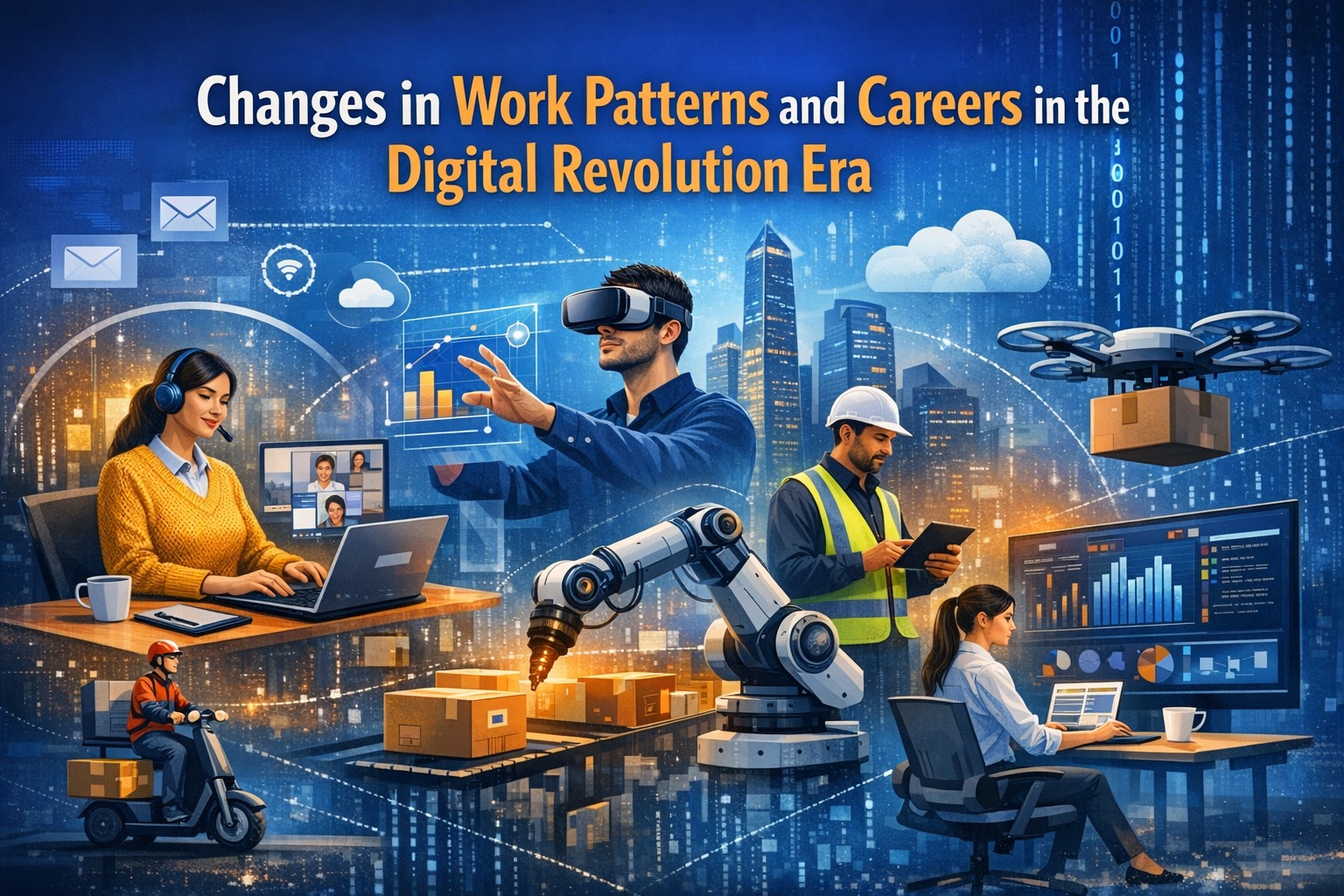
The digital revolution has fundamentally reshaped how people work, communicate, and build careers across the globe. Rapid advancements in technology have not only transformed industries but have also redefined the expectations placed on workers. Traditional career paths that once followed predictable trajectories are now evolving into more dynamic and flexible journeys.
In the past, many individuals pursued long-term employment within a single company, often staying for decades. Today, that model is increasingly rare. Digital tools and platforms have created opportunities for remote work, freelance careers, and global collaboration, allowing professionals to move between roles and industries more fluidly than ever before.
This shift is largely driven by the integration of digital technologies into everyday business operations. From automation to artificial intelligence, organizations are leveraging innovation to improve efficiency and remain competitive. As a result, workers must continuously adapt to new systems and expectations.
Understanding these changes is essential for anyone looking to succeed in the modern workforce. The ability to navigate this evolving landscape requires not only technical knowledge but also adaptability, creativity, and a willingness to embrace lifelong learning.
THE RISE OF FLEXIBLE AND REMOTE WORK MODELS
One of the most significant changes in work patterns is the widespread adoption of flexible and remote work arrangements. Advances in communication technologies have made it possible for employees to work from virtually anywhere, reducing the need for physical office spaces and rigid schedules.
Remote work offers numerous benefits, including increased autonomy and improved work-life balance. Employees can tailor their work environments to suit their preferences, which often leads to higher productivity and job satisfaction. At the same time, companies benefit from access to a broader talent pool without geographical limitations.
However, this shift also presents new challenges. Maintaining effective communication and collaboration in virtual environments requires strong digital skills and clear organizational strategies. Without face-to-face interaction, building team cohesion and maintaining company culture can become more complex.
Despite these challenges, flexible work models are expected to remain a dominant trend. Organizations that successfully implement remote work strategies are likely to gain a competitive advantage in attracting and retaining top talent in the digital age.
EVOLUTION OF SKILLS AND CAREER REQUIREMENTS
As work patterns change, so do the skills required to succeed in the workforce. Technical skills related to digital tools, data analysis, and emerging technologies are becoming increasingly important across all industries. Even roles that were once considered non-technical now require a basic understanding of digital systems.
In addition to technical expertise, soft skills are gaining greater importance. Communication, problem-solving, adaptability, and emotional intelligence are essential for navigating complex work environments and collaborating effectively with diverse teams. These skills help individuals remain resilient in the face of constant change.
The concept of lifelong learning has become a central aspect of career development. Professionals are expected to continuously update their knowledge and skills to stay relevant. Online courses, digital certifications, and self-directed learning platforms have made it easier for individuals to pursue ongoing education.
This evolution in skill requirements has also influenced how employers evaluate candidates. Rather than focusing solely on formal education, many organizations prioritize practical experience, adaptability, and the ability to learn quickly. This shift opens new opportunities for individuals from diverse backgrounds to enter and thrive in the workforce.
THE IMPACT OF DIGITALIZATION ON CAREER PATHS
Digitalization has transformed traditional career paths into more fluid and non-linear journeys. Professionals are no longer confined to a single industry or role, as transferable skills enable them to explore a wide range of opportunities. Career changes that were once considered risky are now seen as strategic moves for growth.
The gig economy is a clear example of this transformation. Many individuals are choosing freelance or project-based work instead of full-time employment. This approach provides greater flexibility and independence, allowing workers to manage multiple income streams and pursue diverse interests.
At the same time, digital platforms have made it easier for individuals to build personal brands and showcase their expertise. Social media and professional networks play a significant role in career development, enabling professionals to connect with global audiences and access new opportunities.
While these changes offer exciting possibilities, they also require careful planning and self-management. Without the stability of traditional employment, individuals must take greater responsibility for their financial security, career progression, and professional development.
CONCLUSION AND FUTURE OUTLOOK
The digital revolution has brought profound changes to work patterns and career structures, creating both opportunities and challenges for modern professionals. Flexibility, innovation, and continuous learning have become essential components of career success in this new era.
As technology continues to evolve, the pace of change is expected to accelerate. Emerging fields such as artificial intelligence, cybersecurity, and digital entrepreneurship will create new career opportunities while reshaping existing roles. Workers who are prepared to adapt will be better positioned to thrive.
Organizations also play a critical role in supporting this transition. By investing in employee development and fostering inclusive, adaptable work environments, companies can ensure long-term success in an increasingly digital world.
Ultimately, the future of work will be defined by those who embrace change and remain open to new possibilities. By understanding current trends and preparing for future challenges, individuals can build meaningful and sustainable careers in the digital revolution era.