 English EN
  Indonesia ID

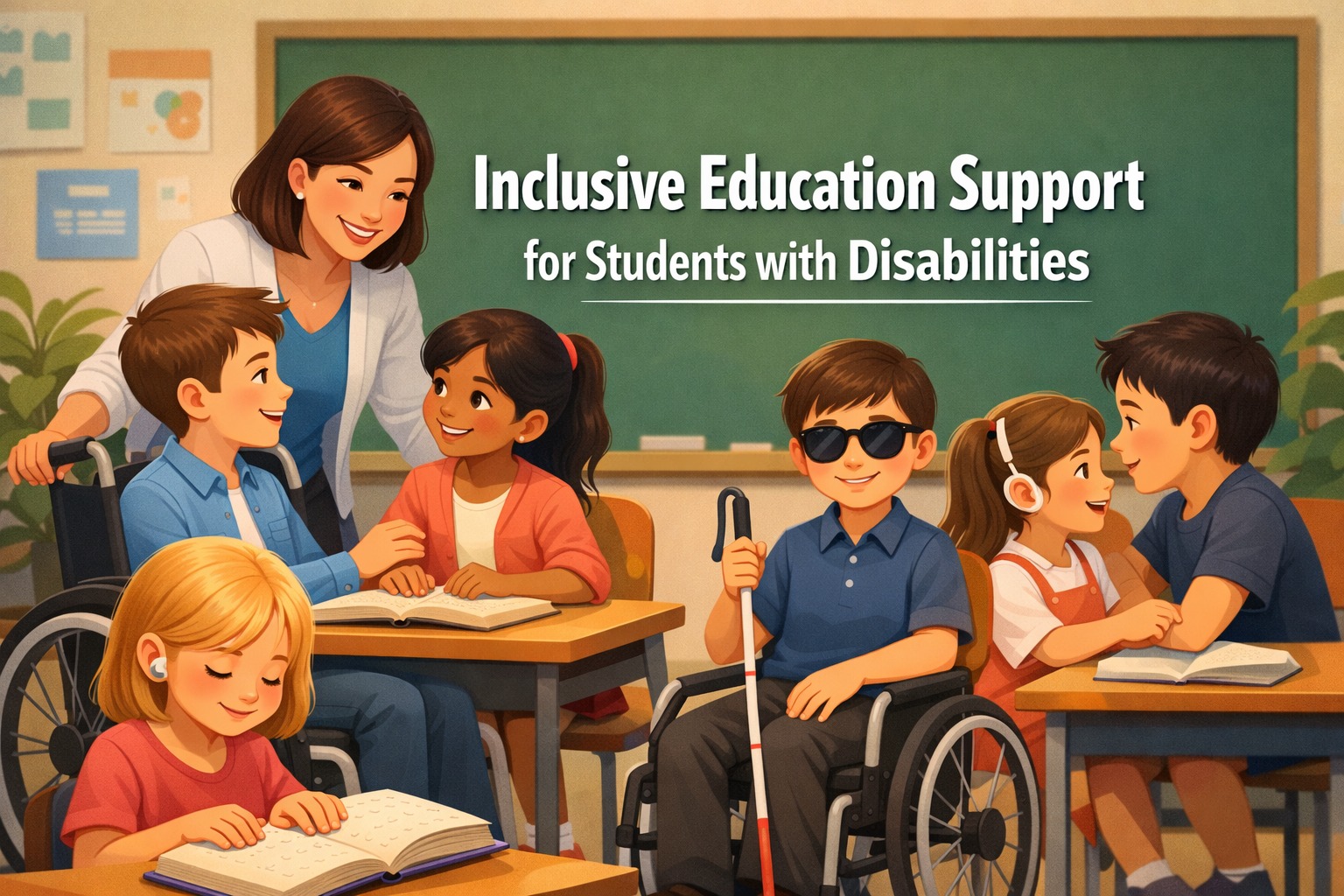
Higher education is the right of every citizen, including students with disabilities. In recent years, attention to inclusive education has increased as awareness grows that equal access to education is a vital foundation for human resource development. Inclusive education support is a real effort to ensure that students with disabilities can learn, grow, and achieve in higher education environments.
UNDERSTANDING INCLUSIVE EDUCATION
Inclusive education is an education system that provides equal learning opportunities for all individuals, including people with disabilities, without discrimination. In the context of higher education, inclusive education means creating an academic environment that fairly and respectfully accommodates the needs of students with disabilities.
This approach does not separate students with disabilities from others but encourages their active participation in the learning process with appropriate support.
FORMS OF EDUCATIONAL SUPPORT FOR STUDENTS WITH DISABILITIES
Inclusive education support for students with disabilities comes in various forms, both academic and non-academic. These include:
1. Accessible Campus Facilities
Provision of ramps, elevators, accessible restrooms, and disability-friendly classrooms.
2. Adaptive Academic Services
Adjustments in learning methods, exam time extensions, and course materials in accessible formats.
3. Assistance and Counseling Services
Psychological and academic support to help students with disabilities adapt to campus life.
4. Educational Aid and Funding Programs
Financial support to help ensure the continuity of studies for students with disabilities.
These support systems aim to create an equal and comfortable learning experience.
THE ROLE OF UNIVERSITIES IN SUPPORTING INCLUSIVITY
Universities play a strategic role in realizing inclusive education. Campuses are not only places for learning but also safe spaces for growth and development.
Efforts that universities can make include:
- Establishing disability-friendly campus policies
- Increasing awareness of inclusivity among the academic community
- Training lecturers and staff to be more responsive to the needs of students with disabilities
Institutional commitment is crucial for the successful implementation of inclusive education.
CHALLENGES IN IMPLEMENTING INCLUSIVE EDUCATION
Although the concept of inclusive education continues to develop, students with disabilities still face several challenges. These include limited facilities, lack of understanding from the surrounding environment, and persistent social stigma. These challenges show that inclusive education is not only about infrastructure but also about changing mindsets and building a more open and empathetic academic culture.
BENEFITS OF INCLUSIVE EDUCATION FOR THE CAMPUS COMMUNITY
Inclusive education benefits not only students with disabilities but the entire campus community. An inclusive environment fosters empathy, tolerance, and cooperation among students. Furthermore, universities that successfully implement inclusivity produce graduates who are better prepared to face diversity in the workplace and society.
CONCLUSION
Inclusive education support for students with disabilities is an important step toward creating a fair and sustainable higher education system. With accessible facilities, adaptive academic services, and support from all campus elements, students with disabilities can develop their potential optimally. Inclusive education is not just about providing access, but about valuing diversity and ensuring that every individual has equal opportunities to succeed.