 English EN
  Indonesia ID

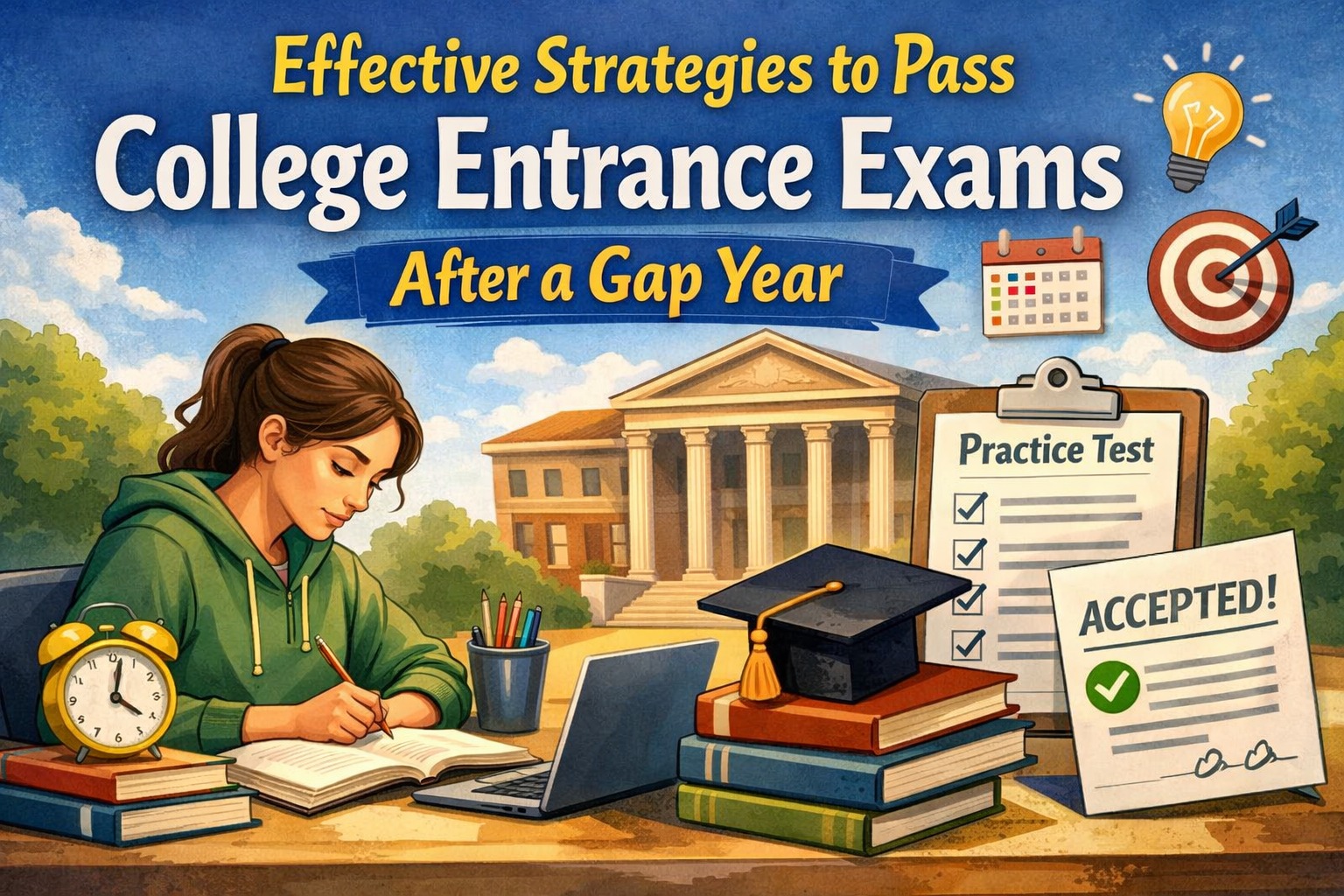
Taking a gap year is no longer seen as a setback. In fact, many students use this time to improve their skills, gain experience, and prepare themselves mentally for higher education. However, returning to study after a long break can feel challenging, especially when preparing for competitive college entrance exams. With the right strategies, students can maximize their potential and successfully achieve their academic goals.
 0-8888-9999-64
 pmb.stekom.ac.id/2727
WHY A GAP YEAR CAN BE BENEFICIAL
A gap year offers students the opportunity to reflect on their future plans and develop personal growth. During this period, many students learn valuable life skills such as discipline, time management, and independence. These experiences can become strong advantages when preparing for college entrance exams.
In addition, students who take a gap year often have more maturity and motivation compared to those who immediately continue their studies after high school. This mindset can help them stay focused and committed throughout the exam preparation process.
CREATE A REALISTIC STUDY PLAN
One of the most effective strategies after a gap year is creating a structured study schedule. Students should identify their strengths and weaknesses in different subjects before organizing their study time.
A realistic study plan should include:
- Daily learning targets
- Weekly practice tests
- Break times to avoid burnout
- Review sessions for difficult materials
Consistency is more important than studying for long hours. A balanced schedule can improve concentration and reduce stress during exam preparation.
REFRESH BASIC CONCEPTS FIRST
After spending months or even years away from academic learning, students may forget important concepts from high school subjects. Before focusing on advanced materials, it is essential to review the fundamentals.
Start by revisiting basic lessons in mathematics, science, language, or other subjects included in the entrance exam. Strengthening foundational knowledge will make it easier to understand more complex topics later.
USE ONLINE LEARNING RESOURCES
The digital era provides unlimited access to educational resources. Students can use online platforms, video tutorials, digital books, and mock exams to improve their understanding.
Some benefits of online learning include:
- Flexible study time
- Interactive learning methods
- Access to updated materials
- Affordable or free educational content
Joining online study communities can also help students stay motivated and exchange learning tips with others preparing for the same exams.
PRACTICE WITH MOCK TESTS REGULARLY
Mock tests are one of the most effective ways to prepare for college entrance exams. They help students become familiar with question patterns, improve time management, and identify weak areas.
Regular practice tests can also reduce anxiety because students gain experience working under exam conditions. After each test, evaluate the results carefully and focus on improving mistakes.
MAINTAIN PHYSICAL AND MENTAL HEALTH
Preparing for exams after a gap year can sometimes create pressure and self-doubt. Therefore, maintaining physical and mental health is extremely important.
Students should:
- Get enough sleep
- Eat nutritious food
- Exercise regularly
- Avoid excessive stress
- Take short breaks while studying
A healthy body and mind can significantly improve focus, memory, and overall performance during exams.
STAY MOTIVATED AND CONFIDENT
Many gap year students worry about competing with younger students. However, confidence and persistence play a major role in success. Instead of comparing yourself to others, focus on your own progress and goals.
Remember that every student has a different journey. A gap year does not define failure. With dedication and smart preparation, students can achieve excellent results in college entrance exams.
CONCLUSION
Passing college entrance exams after a gap year is absolutely possible with the right preparation and mindset. By creating a structured study plan, reviewing basic concepts, using online resources, practicing mock tests, and maintaining mental health, students can improve their chances of success.
A gap year can become a valuable period of growth and self-improvement. Rather than seeing it as a disadvantage, students should use the experience as motivation to pursue their academic dreams with greater confidence and determination.