 English EN
  Indonesia ID

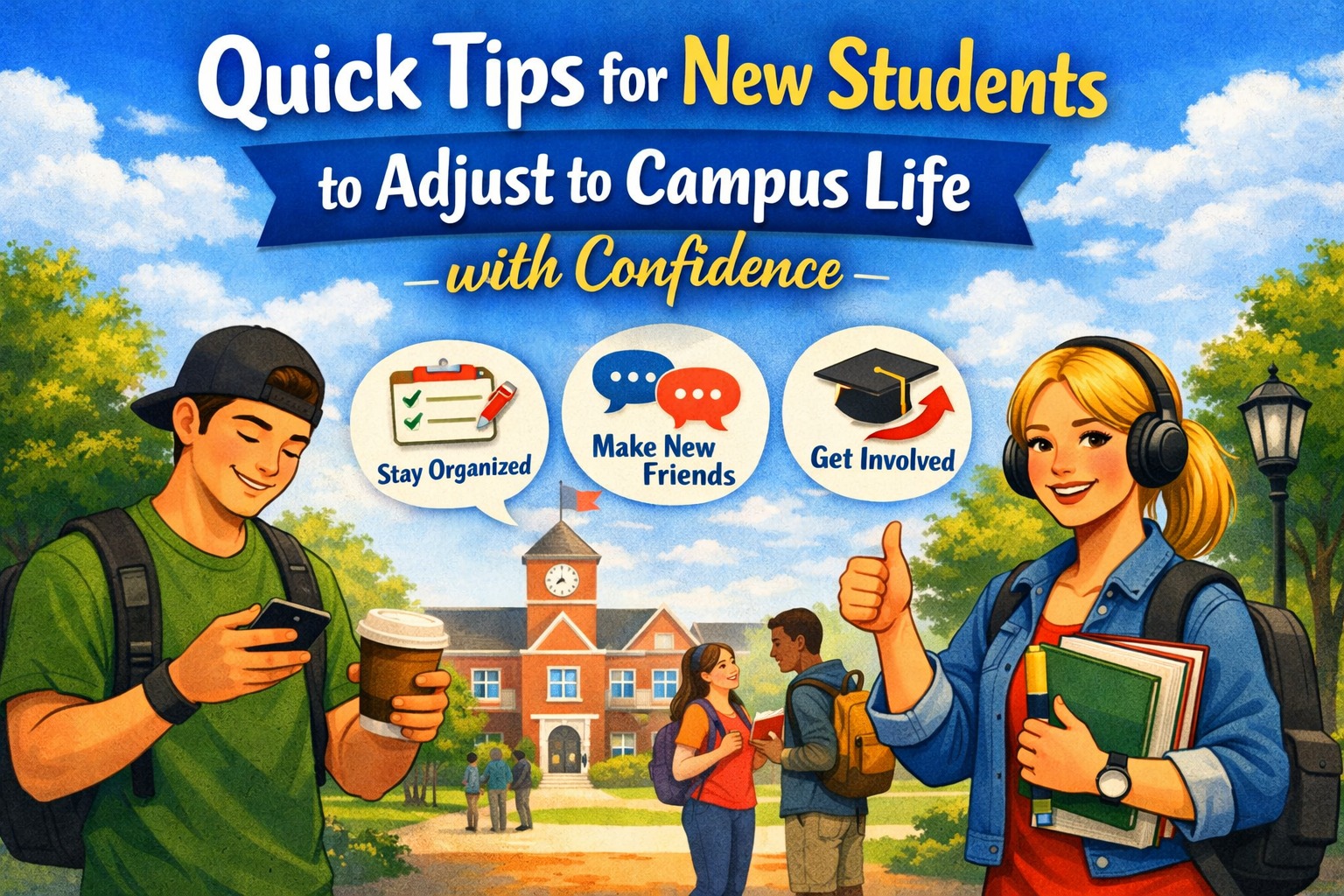
Starting college is an exciting yet challenging phase for many new students. The transition from high school to university life often brings significant changes in academic demands, social environments, and personal responsibilities. To feel comfortable and thrive on campus, students need effective strategies to adapt quickly and confidently. This article explores practical ways to help new students adjust smoothly to the campus environment.
UNDERSTANDING THE NEW ACADEMIC CULTURE
One of the biggest adjustments for new students is adapting to a different academic system. College learning emphasizes independence, critical thinking, and time management. Unlike high school, lecturers expect students to take initiative in studying and completing assignments.
To adapt effectively, students should start by understanding course outlines, attending lectures consistently, and actively participating in discussions. Building a study schedule can also help manage workload and prevent last-minute stress. Taking notes, reviewing materials regularly, and seeking help when needed are essential habits for academic success.
BUILDING SOCIAL CONNECTIONS ON CAMPUS
Social interaction plays a crucial role in helping students feel comfortable in a new environment. Making friends and connecting with peers can reduce feelings of loneliness and increase confidence.
New students are encouraged to join campus organizations, clubs, or communities that match their interests. Participating in group activities not only helps build friendships but also enhances communication and teamwork skills. Being open, approachable, and willing to engage in conversations can make the adaptation process much easier.
MANAGING TIME AND RESPONSIBILITIES
College life often comes with greater freedom, but it also requires strong responsibility. Without proper time management, students may struggle to balance academic work, social life, and personal activities.
Creating a daily or weekly schedule is an effective way to stay organized. Prioritizing tasks, setting goals, and avoiding procrastination are key strategies. Students should also allocate time for rest and self-care to maintain both physical and mental well-being. Learning to manage time early will greatly impact long-term success in college.
MAINTAINING A POSITIVE AND ADAPTIVE MINDSET
Adapting to a new environment is not always easy, and challenges are inevitable. However, having a positive mindset can make a significant difference. Students who stay optimistic and open to change are more likely to overcome difficulties.
It is important to view challenges as opportunities for growth rather than obstacles. Staying motivated, being patient with the process, and learning from experiences can help students adjust more effectively. Seeking support from friends, mentors, or campus counseling services is also a wise step when facing difficulties.
Adapting to campus life takes time, but with the right strategies, new students can navigate this transition successfully. By understanding academic expectations, building social connections, managing time wisely, and maintaining a positive mindset, students can create a comfortable and fulfilling college experience.