 English EN
  Indonesia ID

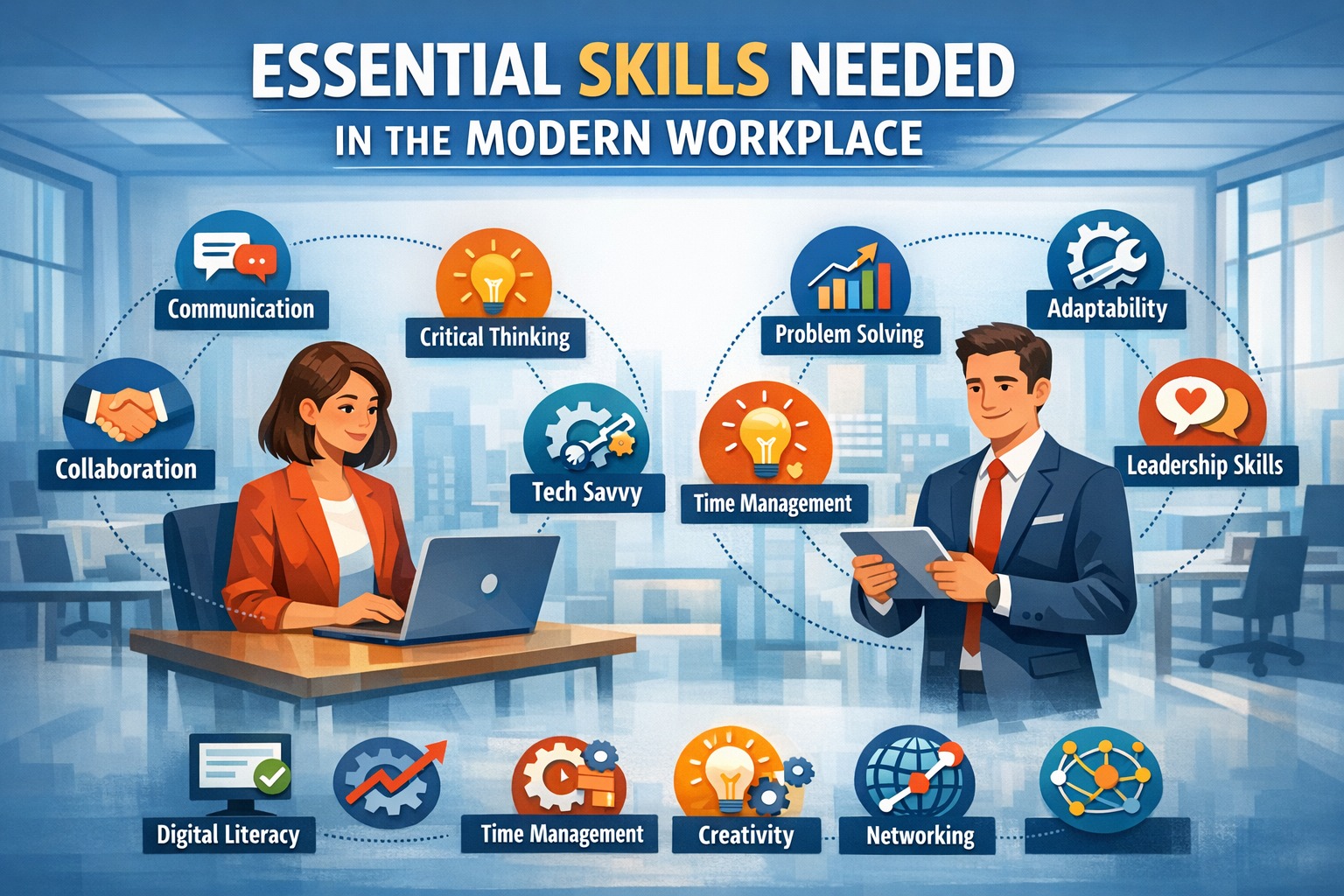
The modern workplace is evolving at an unprecedented pace, driven by rapid technological advancements and shifting global dynamics. Employees today are no longer expected to rely solely on technical expertise. Instead, organizations seek individuals who can adapt, collaborate, and continuously learn in a fast-changing environment. This transformation has reshaped the definition of what it means to be a valuable professional.
In the past, having a degree and specific hard skills was often enough to secure and maintain a job. However, the current landscape demands a broader skill set that combines both technical and interpersonal abilities. Employers prioritize candidates who can think critically, communicate effectively, and navigate complex challenges with confidence.
Digital transformation has also played a significant role in redefining workplace expectations. Automation, artificial intelligence, and remote work systems require workers to be more flexible and technologically literate. As a result, individuals must constantly upgrade their skills to remain competitive in their respective fields.
Understanding these changing requirements is essential for anyone looking to succeed in today’s professional world. By identifying and developing the right skills, individuals can position themselves for long-term career growth and stability.
COMMUNICATION AND COLLABORATION SKILLS
Effective communication is one of the most fundamental skills in the modern workplace. It involves not only expressing ideas clearly but also listening actively and understanding different perspectives. Strong communication helps prevent misunderstandings and fosters a more productive work environment.
In addition to verbal communication, written communication has become increasingly important, especially with the rise of remote work. Emails, reports, and digital messaging platforms require clarity and professionalism. Employees who can convey their thoughts concisely are more likely to stand out in a competitive workplace.
Collaboration is equally essential, as most tasks today involve teamwork across departments or even across countries. Being able to work well with others, respect diverse viewpoints, and contribute meaningfully to group efforts is highly valued by employers. Team-oriented individuals often help create a more positive and efficient workplace culture.
Moreover, collaboration tools and digital platforms require employees to adapt their communication styles. Whether working in person or virtually, the ability to maintain strong interpersonal connections remains a key factor in achieving organizational success.
ADAPTABILITY AND CRITICAL THINKING
Adaptability is a crucial skill in a world where change is constant. Employees must be open to new ideas, technologies, and ways of working. Those who resist change often struggle to keep up, while adaptable individuals can quickly adjust and thrive in new situations.
Critical thinking complements adaptability by enabling individuals to analyze problems and make informed decisions. Instead of relying on routine solutions, critical thinkers evaluate different possibilities and choose the most effective approach. This skill is particularly important in complex and unpredictable work environments.
The ability to learn continuously is also part of being adaptable. Professionals who actively seek new knowledge and skills are better prepared for future challenges. Lifelong learning is no longer optional but a necessity for staying relevant in the job market.
Furthermore, adaptability and critical thinking contribute to innovation. Employees who can think creatively and respond to change effectively are more likely to develop new ideas and improve existing processes, benefiting both themselves and their organizations.
DIGITAL LITERACY AND PROFESSIONAL ETHICS
Digital literacy has become a basic requirement in almost every industry. Employees are expected to understand and use various digital tools, from simple office software to more advanced systems. This skill allows individuals to work more efficiently and stay connected in a technology-driven environment.
Beyond technical knowledge, digital literacy also involves understanding online communication, data management, and cybersecurity awareness. Employees must be able to navigate digital spaces responsibly while protecting sensitive information. This awareness is increasingly important as businesses rely more on digital infrastructure.
Equally important is maintaining professional ethics in the workplace. Integrity, accountability, and respect are essential values that guide employee behavior. Ethical professionals build trust with colleagues, clients, and employers, which is critical for long-term success.
Balancing digital competence with strong ethical standards ensures that employees not only perform well but also contribute positively to their organizations. In a competitive and interconnected world, these qualities set individuals apart and enhance their professional reputation.