 English EN
  Indonesia ID

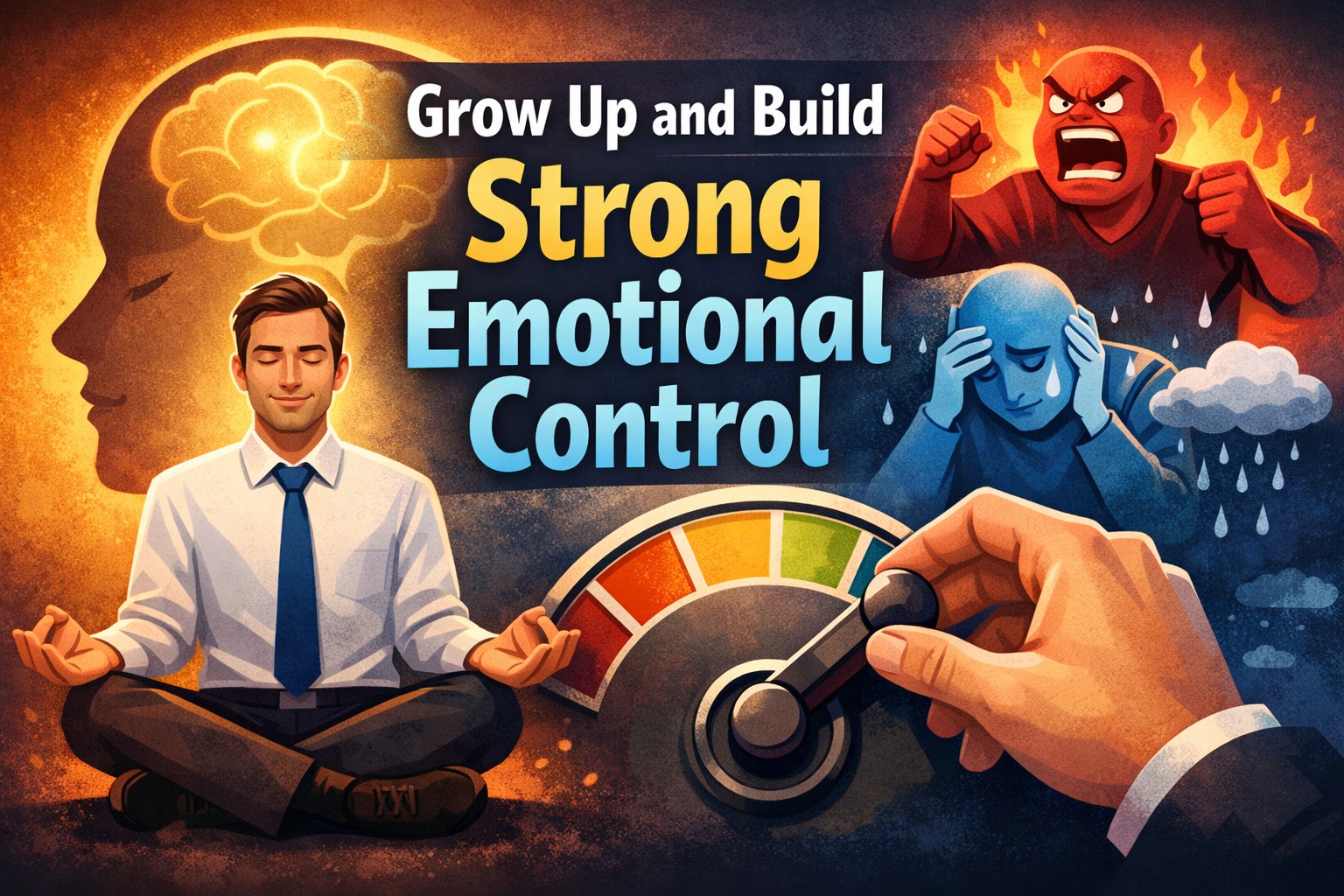
Growing up is not only about getting older, earning money, or having more responsibilities. True maturity also means having strong emotional control in daily life. Many people struggle to manage anger, sadness, disappointment, and stress because emotional growth takes time and practice. Learning how to control emotions can improve relationships, career success, mental health, and self-confidence. That is why understanding emotional control becomes an important part of personal development.
WHY EMOTIONAL CONTROL IS IMPORTANT
Having good emotional control helps people make better decisions in difficult situations. Someone who can stay calm under pressure is usually more respected and trusted by others. Emotional stability also helps reduce unnecessary conflicts in friendships, family relationships, and the workplace. People with strong emotional intelligence often find it easier to solve problems without creating drama or emotional tension. This skill becomes even more valuable in modern life where stress and pressure continue to increase.
In addition, emotional control supports better mental health. People who cannot manage emotions properly may experience anxiety, overthinking, burnout, or emotional exhaustion. By learning to control reactions and feelings, a person can think more clearly and avoid impulsive behavior. Emotional maturity also helps build stronger self-awareness because people learn to understand their triggers and weaknesses. Over time, this creates a healthier and more balanced lifestyle.
SIGNS OF STRONG EMOTIONAL MATURITY
One sign of emotional maturity is the ability to stay calm during disagreements. Mature individuals do not immediately react with anger, insults, or emotional outbursts. Instead, they try to communicate clearly and listen to different opinions. They understand that not every problem needs an emotional reaction. This mindset helps create healthier communication and stronger relationships.
Another important sign is taking responsibility for mistakes. Emotionally mature people do not always blame others when things go wrong. They are willing to admit errors, learn from failures, and improve themselves. They also understand how to control ego and pride in difficult situations. This attitude shows personal growth and strong character development.
EFFECTIVE WAYS TO BUILD EMOTIONAL CONTROL
Building strong emotional control starts with understanding personal emotions. People should learn to identify what makes them angry, stressed, or disappointed. Writing feelings in a journal can help improve emotional awareness and reduce emotional pressure. Taking time to reflect before reacting is also very important. A short pause can prevent regret and emotional decisions.
Practicing healthy habits also plays a major role in emotional stability. Regular exercise, enough sleep, and balanced nutrition can improve mood and reduce stress levels. Meditation and deep breathing exercises are also useful for calming the mind during emotional situations. Many successful people use these simple techniques to maintain focus and emotional balance. Consistency is the key to long-term emotional growth.
HOW EMOTIONAL CONTROL IMPROVES RELATIONSHIPS
People with strong emotional intelligence usually build healthier and longer-lasting relationships. They know how to communicate respectfully even when emotions are high. Instead of reacting aggressively, they try to understand the feelings of others. This creates trust, comfort, and emotional security in relationships. Good communication becomes easier when emotions are managed properly.
Emotional control also helps reduce misunderstandings and unnecessary arguments. Couples, friends, and coworkers often face problems because emotions are expressed without thinking carefully. By staying calm and patient, people can discuss problems more effectively and find better solutions. Emotional maturity encourages empathy, respect, and mutual understanding. These qualities are essential for healthy social connections.
THE CONNECTION BETWEEN GROWTH AND SELF-DISCIPLINE
Growing up requires self-discipline and emotional responsibility. People cannot become emotionally strong overnight because emotional growth is a continuous process. Discipline helps individuals control reactions, maintain positive habits, and avoid destructive behavior. It also teaches patience during difficult situations. Emotional strength often develops through life experiences and consistent self-improvement.
Self-discipline also helps people focus on long-term goals instead of temporary emotions. For example, staying calm during criticism can help someone improve rather than feel defeated. Emotionally disciplined individuals usually become better leaders, friends, and partners. They understand the importance of controlling emotions instead of being controlled by emotions. This mindset creates stronger confidence and personal stability.
CONCLUSION
Learning to grow up emotionally and build strong emotional control is one of the most valuable life skills. Emotional maturity helps people stay calm, think clearly, and create healthier relationships. It also improves mental health, communication skills, and self-confidence. Although emotional growth takes time, small daily habits can create significant long-term changes. By practicing self-awareness, patience, and self-discipline, anyone can become emotionally stronger and more mature.