 English EN
  Indonesia ID

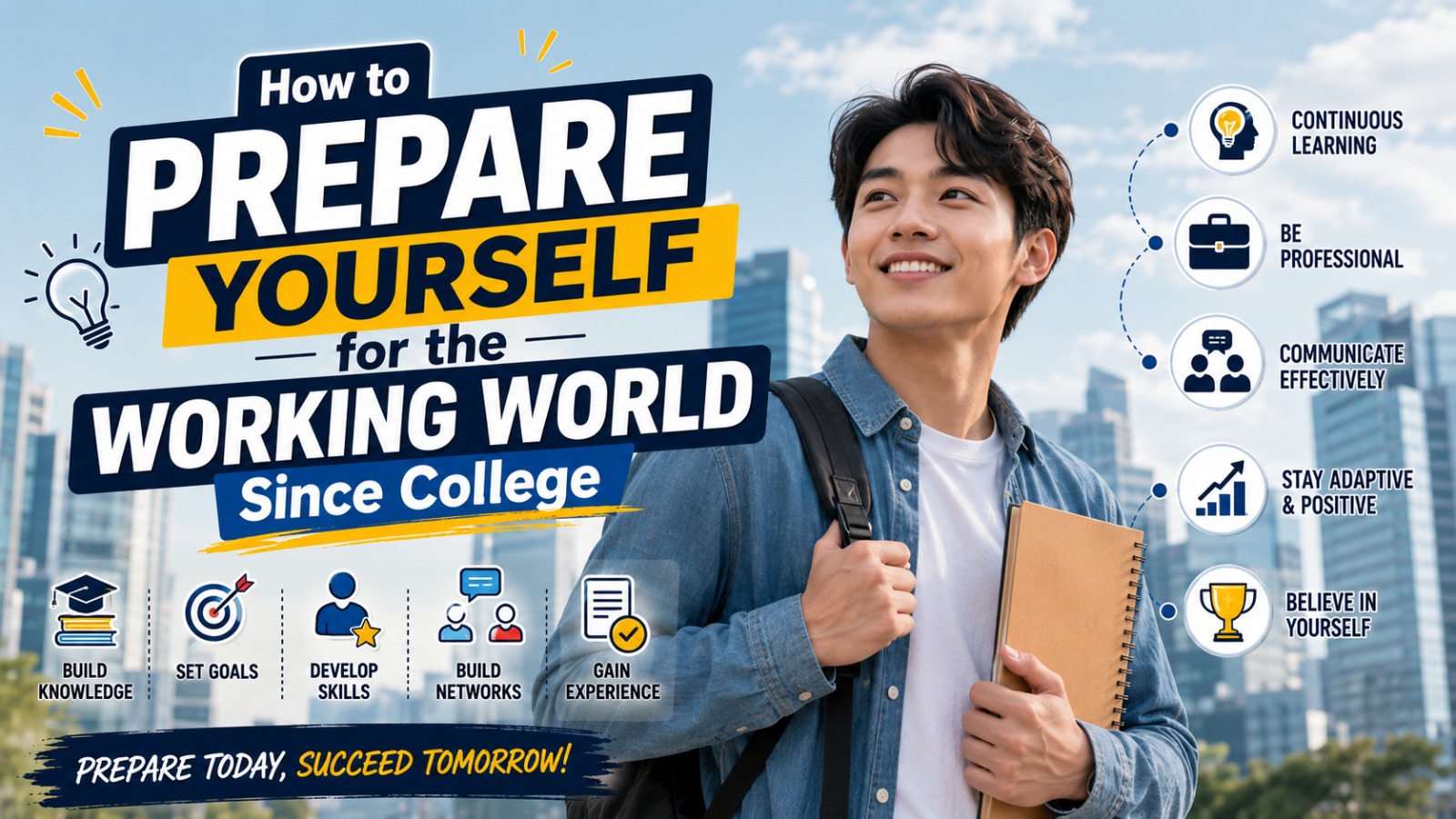
College life is not only about getting good grades and completing assignments. It is also the best time to prepare for the professional world and build a successful future career. Students who start preparing early usually have better opportunities and stronger confidence when entering the job market after graduation. By developing important skills, gaining experience, and building professional connections, college students can become more ready to face workplace challenges.
 0-8888-9999-64
 pmb.stekom.ac.id/2727
DEVELOP RELEVANT SKILLS
One of the most important steps in preparing for the working world is improving both hard skills and soft skills. Hard skills include technical abilities related to a specific field, such as programming, graphic design, accounting, or data analysis. Meanwhile, soft skills include communication, teamwork, leadership, and problem-solving abilities.
Employers today look for candidates who not only understand theory but can also work effectively with others. Students who actively improve these skills during college will have a competitive advantage in the future.
PARTICIPATE IN ORGANIZATIONS AND ACTIVITIES
Joining student organizations, communities, or campus events can provide valuable experience beyond the classroom. These activities help students learn leadership, teamwork, time management, and responsibility.
Being active in organizations also teaches students how to handle challenges and communicate with different types of people. These experiences are often highly appreciated by employers because they reflect initiative and adaptability.
GAIN INTERNSHIP EXPERIENCE
Internships are one of the best ways to understand the real working environment. Through internships, students can apply their academic knowledge directly in professional settings while learning industry standards and workplace culture.
Internship experience also helps students build confidence and improve practical skills. In many cases, companies prefer candidates who already have experience through internships or part-time jobs.
BUILD A PROFESSIONAL NETWORK
Networking is an important part of career preparation. Students should start building professional relationships with lecturers, alumni, mentors, and industry professionals. Attending seminars, workshops, and career fairs can help expand connections and provide useful career insights.
A strong network may open opportunities for internships, collaborations, and even future job offers. Maintaining positive relationships can also help students receive valuable advice and career guidance.
IMPROVE COMMUNICATION ABILITIES
Good communication skills are essential in every profession. Students should practice expressing ideas clearly, both verbally and in writing. Effective communication helps individuals work better in teams and create professional relationships.
Students can improve communication skills by participating in presentations, discussions, debates, or public speaking activities. Confidence in communication often creates a positive impression during interviews and workplace interactions.
LEARN TIME MANAGEMENT
Balancing academic responsibilities, organizational activities, and personal life requires strong time management skills. Students who learn to manage their time effectively become more disciplined and productive.
In the professional world, meeting deadlines and handling multiple responsibilities are important expectations. Developing good time management habits during college can prepare students for future workplace demands.
CREATE A STRONG CV AND PORTFOLIO
Students should start preparing a professional CV before graduation. Include educational background, organizational experience, achievements, certifications, and internship experiences clearly.
For creative and technical fields, a portfolio can strengthen job applications. A portfolio demonstrates practical abilities and showcases projects that reflect creativity and competence.
STAY OPEN TO LEARNING
The working world continues to evolve with technology and industry trends. Students should always be willing to learn new skills and adapt to changes. Taking online courses, attending training programs, and reading industry-related information can help students stay competitive.
Continuous learning also shows employers that a candidate is motivated and ready to grow professionally.
CONCLUSION
Preparing for the working world since college is an important investment for future career success. By improving skills, gaining experience, building networks, and developing a professional mindset, students can become more confident and ready to face workplace challenges after graduation. Starting early gives college students a stronger foundation for achieving long-term professional goals.