 English EN
  Indonesia ID

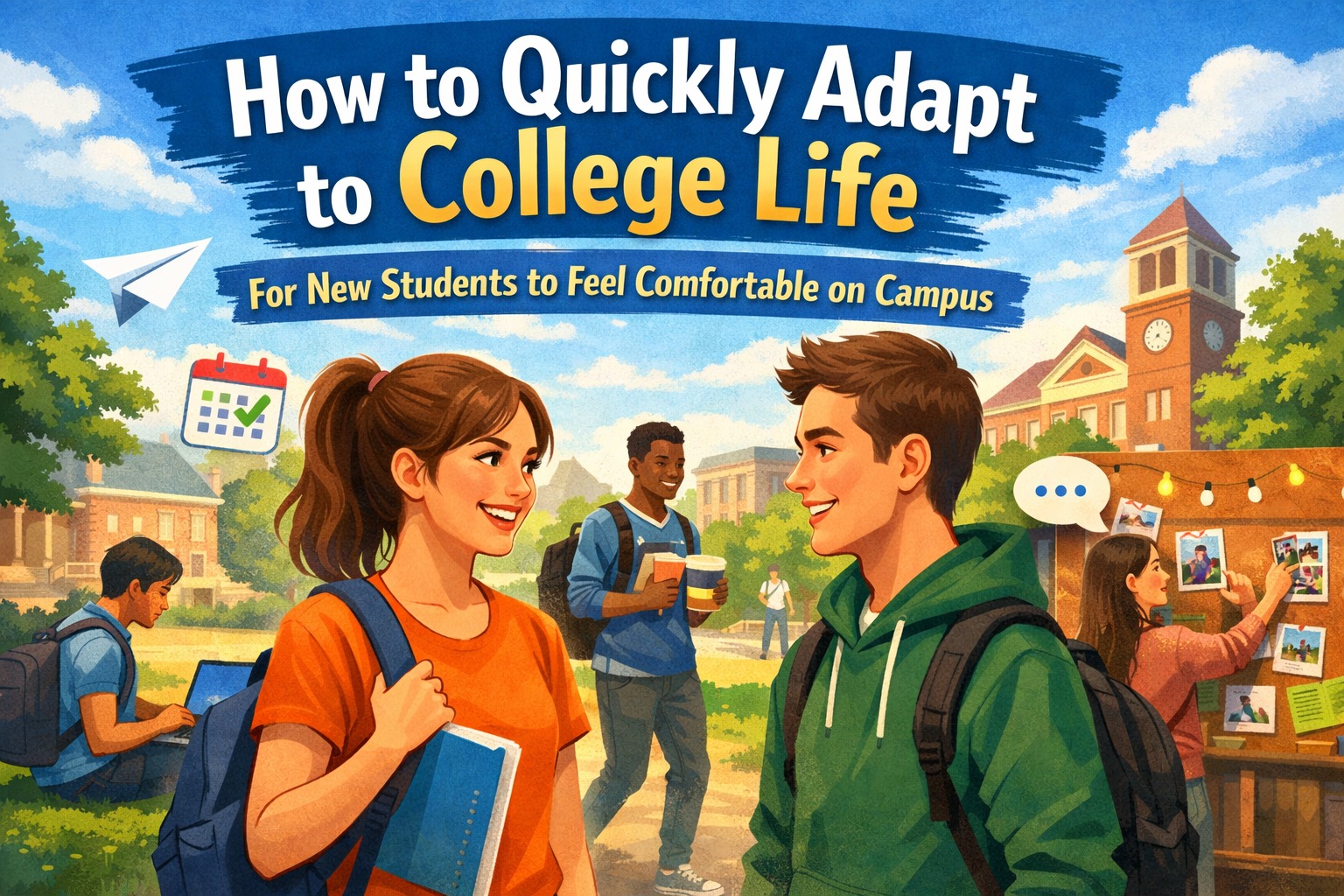
Starting college is an exciting yet challenging phase for many new students. The transition from high school to university life often brings changes in environment, responsibilities, and social dynamics. Without proper preparation, this shift can feel overwhelming. However, with the right strategies, adapting to college life can become a smooth and enjoyable experience. This guide will help new students quickly adjust and feel comfortable on campus.
UNDERSTANDING THE NEW ENVIRONMENT
Entering college means stepping into a completely different world. Students encounter new academic systems, diverse cultures, and unfamiliar surroundings. Understanding the campus layout, academic expectations, and available facilities is the first step toward adaptation. Take time to explore libraries, lecture halls, and student centers. Familiarity with your environment reduces anxiety and helps build confidence in daily activities.
Additionally, learning the academic system is essential. College often requires more independent study, critical thinking, and time management compared to high school. By understanding course syllabi and grading systems early, students can avoid confusion and stay on track academically.
BUILDING SOCIAL CONNECTIONS
One of the fastest ways to feel comfortable in college is by building meaningful relationships. Making friends may seem intimidating at first, but most students are in the same situation. Joining student organizations, clubs, or campus communities can help you connect with people who share similar interests.
Participating in group discussions, orientation programs, or extracurricular activities also increases opportunities to meet new people. Strong social connections not only reduce feelings of loneliness but also create a support system that can help you navigate academic and personal challenges.
MANAGING TIME AND RESPONSIBILITIES
Time management plays a crucial role in adapting to college life. Unlike high school, college schedules are often more flexible, which requires students to manage their own time effectively. Creating a daily or weekly schedule can help balance academic work, social activities, and personal time.
Prioritize important tasks such as assignments, exams, and projects. Avoid procrastination by breaking large tasks into smaller, manageable steps. Developing good habits early will make academic life more organized and less stressful in the long run.
MAINTAINING A HEALTHY LIFESTYLE
Adapting to college life is not only about academics and socializing but also about maintaining physical and mental well-being. A healthy lifestyle supports better focus, energy, and overall performance. Ensure you get enough sleep, eat balanced meals, and stay physically active.
Managing stress is equally important. Practice relaxation techniques such as meditation, journaling, or simply taking breaks when needed. If you feel overwhelmed, do not hesitate to seek help from campus counseling services or trusted individuals. Taking care of your health will make your college experience more enjoyable and sustainable.
Adapting to college life takes time, but with the right mindset and strategies, new students can quickly feel comfortable on campus. By understanding the environment, building connections, managing time effectively, and maintaining a healthy lifestyle, students can create a positive and successful college journey.
Keywords: College Life, New Students, Campus Adaptation, Time Management, Student Success