 English EN
  Indonesia ID

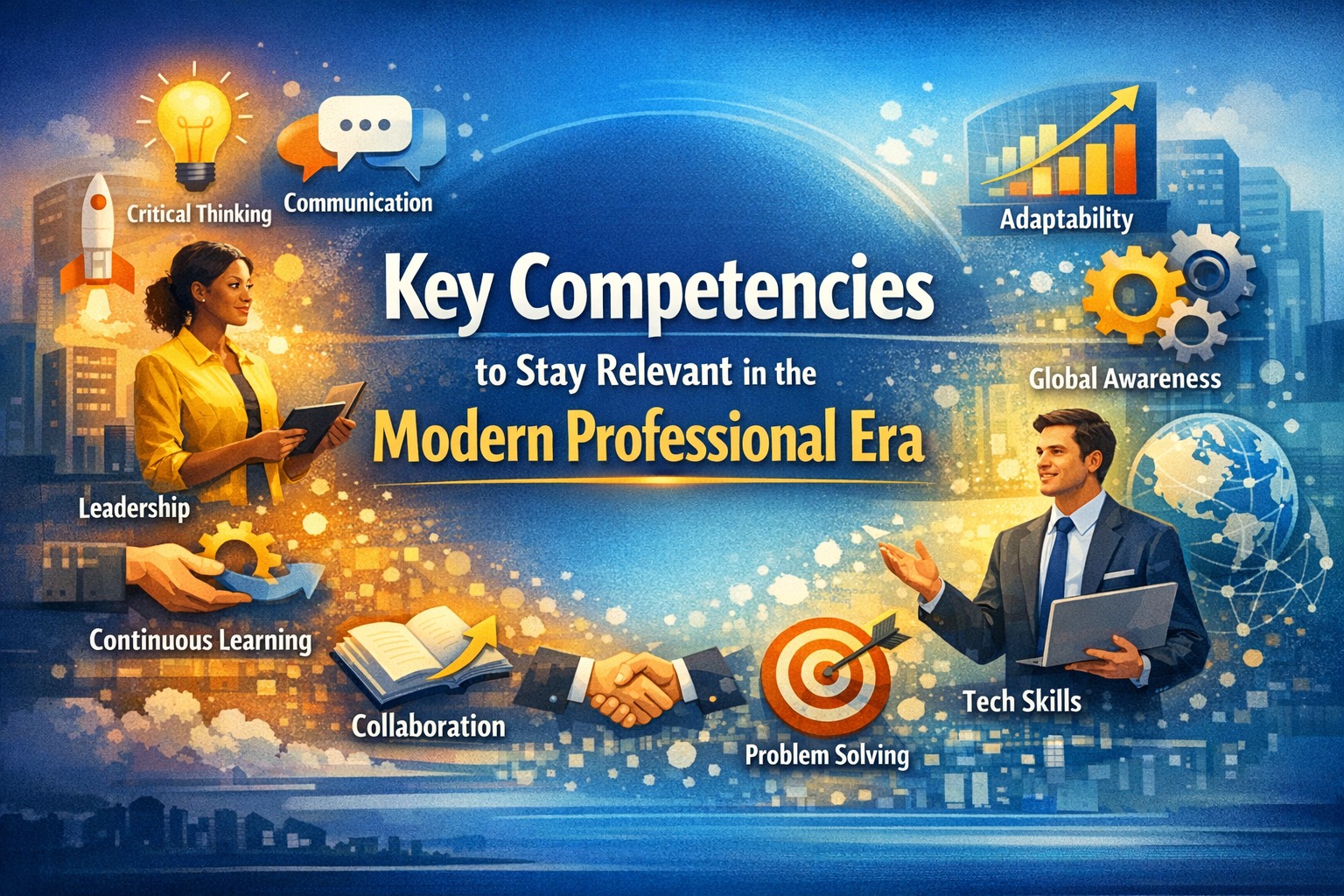
The modern professional landscape is constantly evolving due to rapid technological advancements, globalization, and shifting market demands. In this dynamic environment, adaptability has become one of the most essential competencies for individuals who want to remain relevant. The ability to adjust to new situations, learn quickly, and embrace change determines how well a person can navigate uncertainty in their career.
Adaptability is not only about reacting to change but also about anticipating it. Professionals who actively seek to understand trends and prepare themselves for future developments are more likely to succeed. This proactive mindset allows individuals to stay ahead of disruptions rather than being left behind by them. It encourages continuous growth and resilience in facing unexpected challenges.
Moreover, adaptable individuals are often more open to learning new skills and exploring different career paths. This flexibility enables them to take advantage of opportunities that may not have existed before. In many cases, career success today is no longer defined by a single, linear path but by the ability to pivot and evolve over time.
In addition, adaptability fosters stronger collaboration within diverse teams. As workplaces become more global and interconnected, professionals must work with people from various backgrounds and perspectives. Being adaptable helps individuals communicate effectively, respect differences, and contribute positively in any team environment.
THE ROLE OF DIGITAL LITERACY IN PROFESSIONAL SUCCESS
Digital literacy has become a fundamental requirement in nearly every profession. As businesses increasingly rely on digital tools, platforms, and data-driven strategies, individuals must be comfortable using technology to perform their tasks efficiently. This competency goes beyond basic computer skills and includes understanding digital systems, online communication, and information management.
Professionals with strong digital literacy can leverage technology to improve productivity and innovation. They are able to use various tools to streamline workflows, analyze data, and make informed decisions. This capability not only enhances individual performance but also contributes to organizational success in a highly competitive environment.
Furthermore, digital literacy plays a crucial role in communication. Many workplaces now operate remotely or in hybrid settings, making digital communication tools essential. Being able to communicate clearly and professionally through digital platforms ensures that collaboration remains effective despite physical distance.
In addition, staying updated with technological trends is an important aspect of digital literacy. Technology evolves rapidly, and professionals must continuously learn to keep up with new tools and systems. This ongoing learning process helps individuals remain relevant and competitive in the job market.
CRITICAL THINKING AS A CORE PROFESSIONAL SKILL
Critical thinking is a key competency that enables professionals to analyze situations, evaluate information, and make sound decisions. In an era where information is abundant and often overwhelming, the ability to think critically is more important than ever. It allows individuals to distinguish between valuable insights and misleading data.
This skill is particularly important in problem-solving. Professionals are often faced with complex challenges that require thoughtful analysis and creative solutions. Critical thinking helps individuals approach problems systematically, consider multiple perspectives, and develop effective strategies to address them.
Moreover, critical thinking enhances decision-making in high-pressure situations. In many professions, decisions must be made quickly and with limited information. Those who possess strong critical thinking skills are better equipped to assess risks, weigh options, and choose the most appropriate course of action.
In addition, critical thinking supports continuous improvement. By reflecting on past experiences and outcomes, professionals can identify areas for growth and refine their approaches. This reflective practice contributes to long-term success and professional development.
THE POWER OF SOFT SKILLS IN BUILDING PROFESSIONAL RELATIONSHIPS
While technical skills are important, soft skills are equally essential in the modern professional era. These skills include communication, teamwork, emotional intelligence, and leadership. They play a crucial role in how individuals interact with others and build meaningful professional relationships.
Effective communication is at the heart of strong professional interactions. Being able to express ideas clearly, listen actively, and provide constructive feedback enhances collaboration and reduces misunderstandings. Good communication skills also help individuals present themselves confidently in various professional settings.
Emotional intelligence is another critical aspect of soft skills. It involves understanding and managing one’s emotions as well as recognizing the emotions of others. This ability helps professionals navigate interpersonal dynamics, resolve conflicts, and build trust within teams.
Furthermore, teamwork and collaboration are essential in today’s interconnected work environment. Most projects require individuals to work together to achieve common goals. Strong interpersonal skills enable professionals to contribute effectively, respect diverse viewpoints, and foster a positive team culture.
Finally, leadership skills are valuable not only for those in managerial positions but for all professionals. Leadership involves taking initiative, motivating others, and guiding teams toward success. Individuals who demonstrate leadership qualities are often seen as valuable assets within their organizations.