 English EN
  Indonesia ID

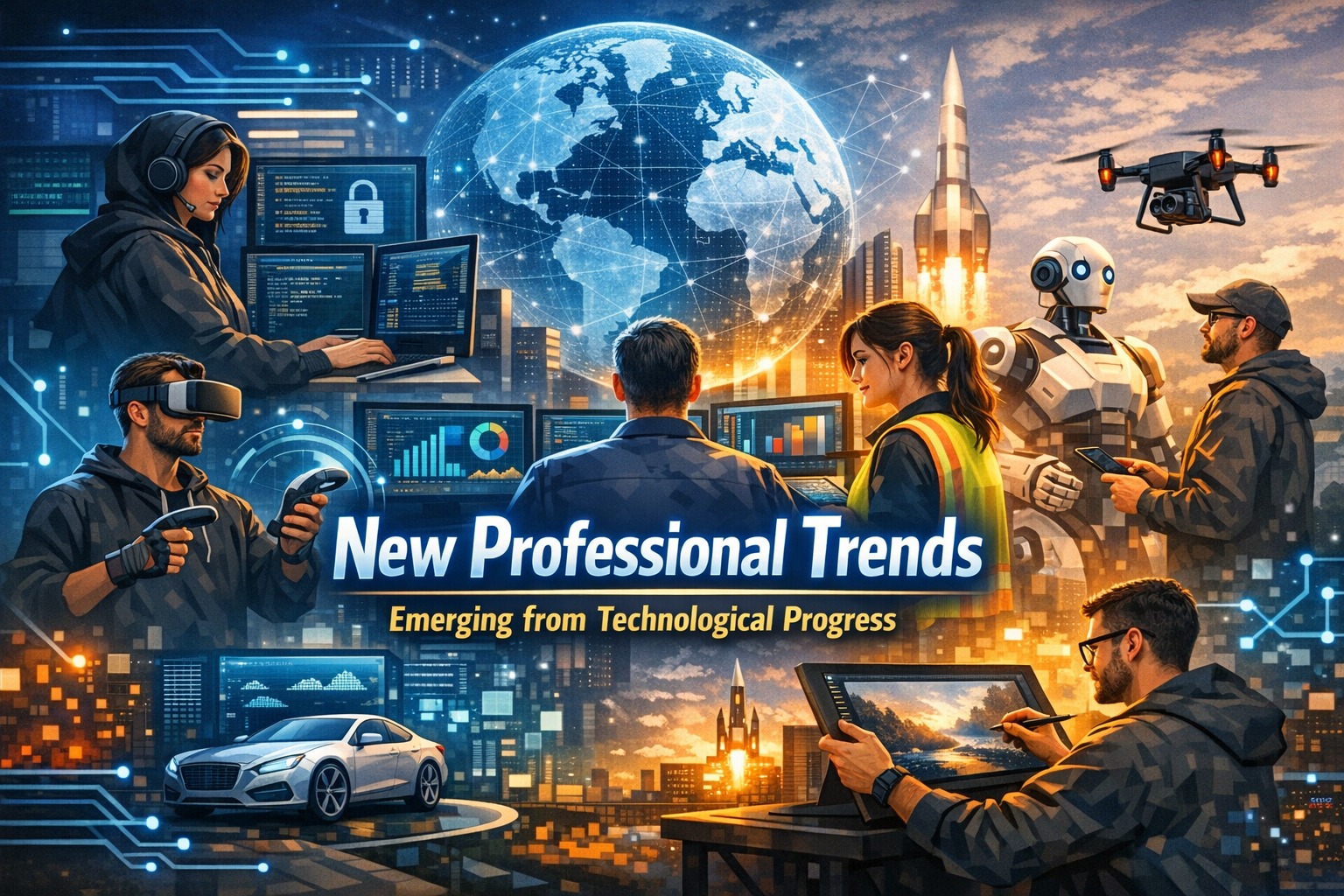
The modern professional landscape is undergoing rapid transformation as technological progress continues to reshape industries across the globe. From automation to artificial intelligence, these innovations are not only changing how work is performed but also redefining the types of careers that are emerging. As a result, professionals today must remain adaptable to stay relevant in an increasingly competitive environment.
Technology has become deeply integrated into daily business operations, influencing decision-making processes and organizational structures. Traditional job roles are evolving, while entirely new professions are being created to meet the demands of digital transformation. This shift highlights the importance of understanding emerging trends to prepare for the future workforce.
The pace of change is faster than ever before, driven by advancements in computing power, connectivity, and data analytics. Companies are seeking individuals who can navigate this dynamic environment and contribute to innovation. Consequently, career paths are becoming less linear and more flexible, allowing professionals to explore diverse opportunities.
Understanding these changes is crucial for students, job seekers, and experienced workers alike. By recognizing the trends shaped by technological progress, individuals can make informed decisions about their career development and align their skills with future demands.
THE RISE OF DIGITAL-FIRST CAREERS
One of the most significant trends emerging from technological progress is the rise of digital-first careers. These roles are centered around technology and digital platforms, including fields such as data analysis, cybersecurity, and software development. As businesses continue to digitize their operations, the demand for these skills continues to grow steadily.
Digital-first careers are not limited to the technology sector alone. Industries such as healthcare, education, and finance are also embracing digital transformation, creating opportunities for professionals with technical expertise. This expansion demonstrates how technology is becoming a universal requirement across various sectors.
Remote work has also contributed to the growth of digital-first careers. With the ability to work from anywhere, professionals can collaborate across borders and access global job markets. This flexibility has redefined traditional workplace expectations and opened doors for a more inclusive workforce.
As digital careers continue to evolve, individuals must focus on building strong technical foundations while also staying updated with emerging tools and platforms. Continuous learning has become essential for maintaining relevance in this rapidly changing landscape.
THE INTEGRATION OF HUMAN AND TECHNOLOGICAL SKILLS
While technical skills are increasingly important, the integration of human and technological skills has become a defining trend in modern careers. Employers are not only seeking individuals who understand technology but also those who can apply it creatively and ethically. This combination enhances productivity and innovation within organizations.
Soft skills such as communication, critical thinking, and adaptability play a crucial role in complementing technical expertise. As automation takes over repetitive tasks, human skills become more valuable in areas that require emotional intelligence and complex decision-making. This balance is essential for long-term career success.
Collaboration between humans and machines is becoming more common in the workplace. Professionals are expected to work alongside advanced systems, using them to improve efficiency and achieve better outcomes. This partnership requires a deep understanding of both technology and human interaction.
To thrive in this environment, individuals must invest in both personal and professional development. Building a well-rounded skill set ensures that professionals can adapt to changing demands and remain competitive in the evolving job market.
THE EMERGENCE OF FLEXIBLE AND HYBRID WORK MODELS
Technological advancements have enabled the emergence of flexible and hybrid work models, transforming how organizations operate. These models allow employees to divide their time between remote and in-office work, providing greater autonomy and work-life balance. This shift has become a defining feature of modern professional trends.
Flexible work arrangements have proven to increase productivity and employee satisfaction. By leveraging digital tools, organizations can maintain seamless communication and collaboration regardless of location. This approach has also reduced geographical barriers, allowing companies to access a broader talent pool.
Hybrid work models require a new approach to management and leadership. Employers must focus on outcomes rather than physical presence, emphasizing trust and accountability. This change challenges traditional management styles and encourages a more results-oriented culture.
As flexible work continues to gain popularity, professionals must develop self-discipline and effective time management skills. Adapting to this new way of working is essential for maximizing productivity and maintaining a healthy work-life balance in a technology-driven world.
CONCLUSION AND FUTURE OUTLOOK
The emergence of new professional trends driven by technological progress is reshaping the global workforce. From digital-first careers to the integration of human and technological skills, these changes highlight the need for adaptability and continuous learning.
As technology continues to evolve, new opportunities and challenges will arise. Professionals who embrace change and invest in skill development will be better positioned to succeed in this dynamic environment.
Organizations also play a crucial role in supporting workforce transformation by fostering innovation and providing learning opportunities. Collaboration between individuals and institutions will be key to navigating the future of work.
Ultimately, understanding and adapting to these trends is essential for long-term career growth. By staying informed and proactive, individuals can turn technological advancements into opportunities for success.