 English EN
  Indonesia ID

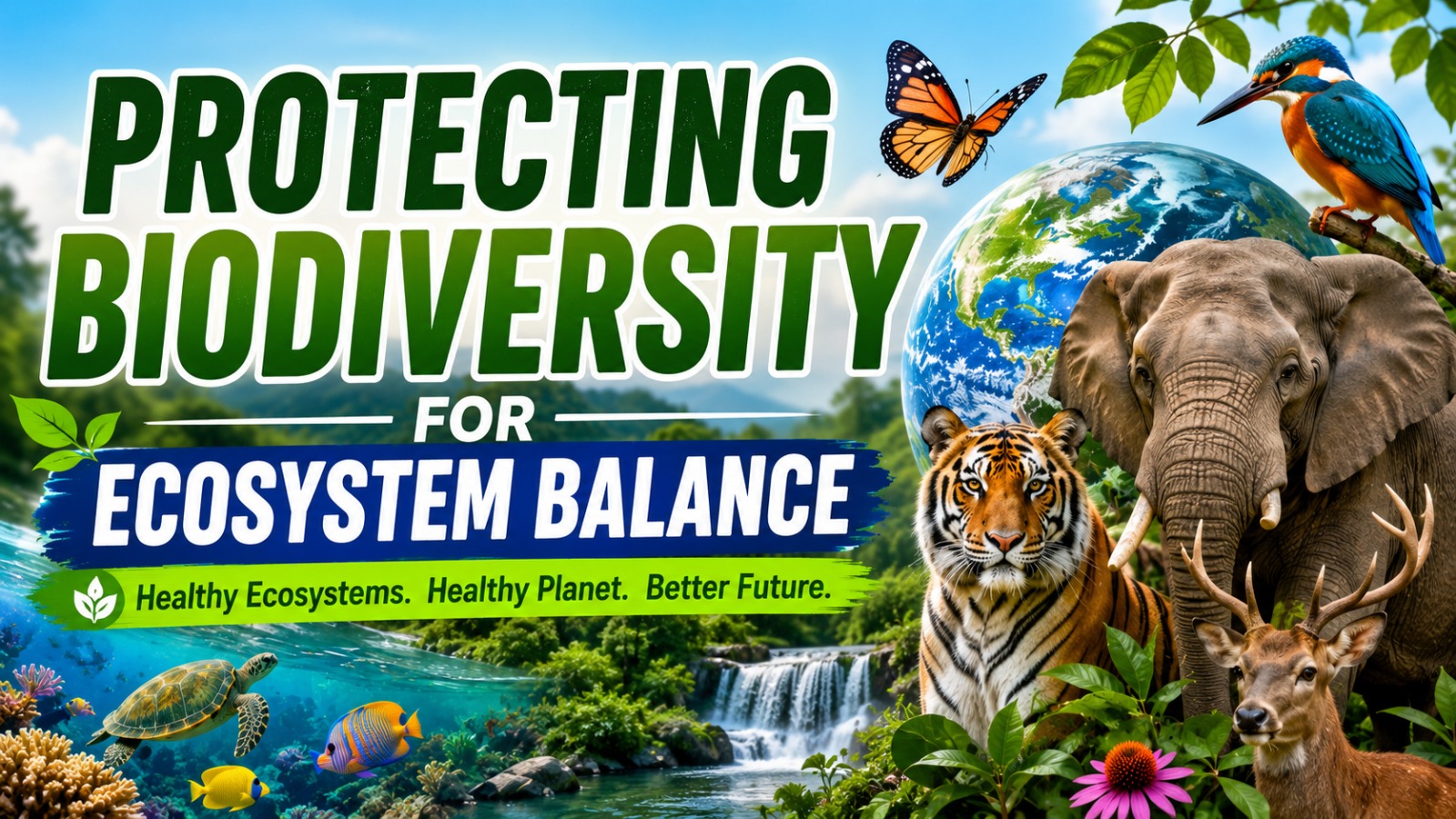
Biodiversity is one of the most important elements of life on Earth. It includes the variety of plants, animals, microorganisms, and ecosystems that exist in nature. Biodiversity supports environmental stability, provides natural resources, and helps maintain ecosystem balance. However, human activities such as deforestation, pollution, climate change, and excessive resource exploitation continue to threaten biodiversity worldwide.
 0-8888-9999-64
 pmb.stekom.ac.id/2727
Protecting biodiversity is essential for preserving healthy ecosystems and ensuring the survival of future generations. Every living organism plays a unique role in maintaining ecological balance, and the loss of even a single species can negatively affect the environment. By conserving biodiversity, humans can protect natural resources, support food security, and maintain environmental sustainability.
UNDERSTANDING BIODIVERSITY
Biodiversity refers to the diversity of life forms found on Earth. It includes three main components:
- Genetic diversity
- Species diversity
- Ecosystem diversity
Genetic diversity refers to variations within species, species diversity relates to the variety of living organisms, and ecosystem diversity includes different habitats such as forests, oceans, wetlands, and grasslands.
Healthy biodiversity allows ecosystems to function properly and adapt to environmental changes. It also supports important natural processes such as pollination, soil fertility, water purification, and climate regulation.
THE IMPORTANCE OF ECOSYSTEM BALANCE
Ecosystem balance occurs when living organisms and their environments interact in stable and sustainable ways. Each species within an ecosystem contributes to maintaining this balance.
For example, plants produce oxygen and absorb carbon dioxide, insects help pollinate crops, and predators control animal populations. When biodiversity declines, ecosystems become weaker and less resilient to environmental disturbances.
Balanced ecosystems provide many benefits for humans, including clean air, fresh water, food resources, and natural disaster protection.
MAJOR THREATS TO BIODIVERSITY
Biodiversity is currently facing serious threats caused mainly by human activities. These threats continue to reduce the number of species and damage natural habitats around the world.
Deforestation
Forests are home to countless species of plants and animals. Large-scale deforestation destroys habitats and forces wildlife to migrate or face extinction. Logging, agriculture, and urban development are major causes of forest loss.
Pollution
Air, water, and soil pollution harm ecosystems and living organisms. Plastic waste, industrial chemicals, and toxic emissions can contaminate habitats and threaten both wildlife and human health.
Climate Change
Climate change affects temperature, rainfall patterns, and sea levels. Many species struggle to adapt to these rapid environmental changes, increasing the risk of extinction.
Overexploitation of Natural Resources
Excessive hunting, fishing, mining, and resource extraction can reduce species populations and damage ecosystems. Unsustainable human activities place enormous pressure on biodiversity.
THE BENEFITS OF PROTECTING BIODIVERSITY
Protecting biodiversity provides many environmental, economic, and social benefits.
Supporting Food Security
Biodiversity helps maintain agricultural productivity through pollination, soil fertility, and pest control. Diverse ecosystems support stable food supplies and healthier crops.
Improving Human Health
Many medicines come from plants, animals, and microorganisms found in nature. Protecting biodiversity helps preserve valuable natural resources for medical research and healthcare.
Combating Climate Change
Forests, oceans, and wetlands absorb carbon dioxide and help regulate the global climate. Conserving natural ecosystems supports efforts to reduce greenhouse gas emissions.
Maintaining Economic Stability
Many industries depend on biodiversity, including agriculture, tourism, fisheries, and forestry. Healthy ecosystems support jobs, local economies, and sustainable development.
HOW TO PROTECT BIODIVERSITY
Everyone can contribute to protecting biodiversity through responsible actions and sustainable lifestyles.
Preserve Natural Habitats
Protecting forests, wetlands, coral reefs, and other ecosystems is essential for wildlife survival. Governments and communities should support conservation programs and protected areas.
Reduce Pollution
Limiting plastic use, recycling waste, and reducing industrial pollution can help preserve ecosystems and protect living organisms.
Support Sustainable Practices
Sustainable farming, fishing, and forestry practices help reduce environmental damage while maintaining natural resources for future generations.
Plant Trees and Protect Green Spaces
Tree planting and urban green space protection help improve biodiversity and support healthier ecosystems.
Educate Communities
Environmental education increases public awareness about biodiversity conservation and encourages people to protect nature.
THE ROLE OF GOVERNMENTS AND ORGANIZATIONS
Governments and environmental organizations play critical roles in biodiversity protection. They create environmental laws, establish conservation areas, and promote sustainable development policies.
International cooperation is also important because environmental issues often affect multiple countries. Global conservation programs help protect endangered species and restore damaged ecosystems.
Environmental organizations continue to raise awareness, conduct research, and encourage community participation in conservation efforts.
CHALLENGES IN BIODIVERSITY CONSERVATION
Despite many conservation efforts, biodiversity protection still faces challenges. Population growth, industrial expansion, illegal wildlife trade, and climate change continue to threaten ecosystems.
Limited funding, weak law enforcement, and lack of public awareness can also reduce the effectiveness of conservation programs. Solving these problems requires cooperation between governments, communities, businesses, and individuals.
Long-term commitment and sustainable environmental policies are necessary to protect biodiversity successfully.
CONCLUSION
Protecting biodiversity is essential for maintaining ecosystem balance and preserving life on Earth. Healthy ecosystems support clean air, water, food production, climate stability, and human well-being.
Human activities have placed significant pressure on biodiversity, but positive actions such as conservation, pollution reduction, sustainable resource management, and environmental education can help protect the environment.
By working together to preserve biodiversity, society can create a healthier, safer, and more sustainable future for both humans and nature.