 English EN
  Indonesia ID

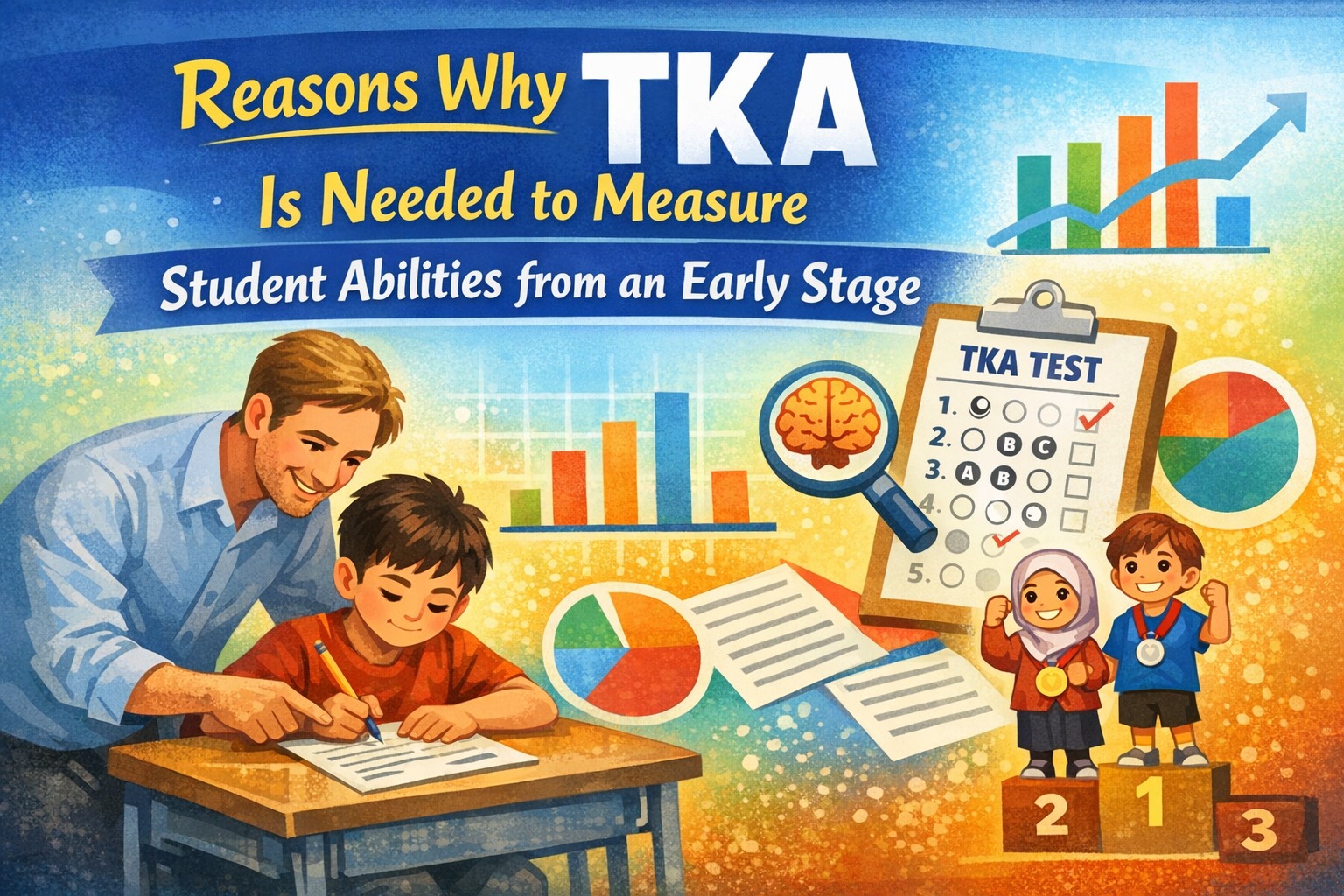
The Academic Competency Test, commonly known as TKA, plays a crucial role in evaluating students’ abilities in a structured and measurable way. In today’s competitive education landscape, early assessment is not just an option but a necessity. By implementing TKA from an early stage, educators can better understand students' academic strengths and weaknesses, allowing for more targeted learning approaches.
Early measurement through TKA also helps create a solid foundation for long-term academic success. Students who are assessed early tend to receive more appropriate guidance, which improves their confidence and performance over time. As a result, TKA becomes an essential tool not only for evaluation but also for shaping a more effective and personalized education system.
EARLY IDENTIFICATION OF STUDENT POTENTIAL
One of the main reasons TKA is important is its ability to identify student potential at an early stage. By assessing cognitive and academic skills early, teachers can recognize students who excel in certain areas as well as those who may need additional support. This early insight allows schools to design learning strategies that match each student's capability.
In addition, early identification helps prevent learning gaps from widening over time. When weaknesses are detected sooner, interventions can be implemented more effectively. This ensures that students do not fall behind and can keep up with the expected academic standards as they progress through their education.
Furthermore, recognizing potential early also benefits students psychologically. When students are aware of their strengths, they tend to feel more motivated and confident. This positive mindset encourages them to engage more actively in learning and to pursue their academic goals with greater determination.
SUPPORTING PERSONALIZED LEARNING
TKA provides valuable data that supports personalized learning approaches. Every student has a unique learning style and pace, and standardized teaching methods often fail to address these differences. Through TKA results, educators can tailor instruction methods that align with individual student needs.
Personalized learning not only improves comprehension but also increases student engagement. When lessons are adjusted according to a student’s ability, they become more relevant and easier to understand. This leads to better retention of knowledge and a more enjoyable learning experience.
Moreover, personalized education fosters independence and critical thinking. Students are encouraged to learn at their own pace and explore subjects more deeply. This approach helps them develop essential skills that are crucial for future academic and professional success.
IMPROVING EDUCATIONAL PLANNING
Another important reason for implementing TKA early is its contribution to better educational planning. Schools and educators can use TKA data to evaluate the effectiveness of their curriculum and teaching strategies. This allows for continuous improvement in the education system.
Accurate data from TKA also helps in setting realistic academic targets for students. Teachers can design lesson plans that are aligned with student abilities, ensuring that learning objectives are achievable yet challenging. This balance is important for maintaining student motivation and progress.
In addition, educational institutions can use TKA results to allocate resources more efficiently. Schools can focus on areas that require improvement, whether it is enhancing teaching methods or providing additional support programs. This leads to a more effective and equitable education system overall.
PREPARING STUDENTS FOR FUTURE CHALLENGES
TKA plays a significant role in preparing students for future academic challenges. By introducing assessments early, students become familiar with evaluation systems and develop the skills needed to perform well in exams. This reduces anxiety and builds confidence over time.
Early exposure to structured assessments also helps students develop discipline and time management skills. They learn how to prepare effectively, manage their study schedules, and approach problems systematically. These skills are essential not only for academic success but also for future careers.
Additionally, TKA encourages a growth mindset among students. Instead of fearing assessments, they begin to see them as opportunities to improve and learn. This mindset helps students adapt to challenges and continuously strive for better performance in their academic journey.
ENHANCING EDUCATIONAL EQUITY
Implementing TKA from an early stage also contributes to greater educational equity. By providing a standardized assessment, all students are evaluated based on the same criteria. This helps reduce bias and ensures fairness in measuring academic abilities.
TKA can also highlight disparities in learning outcomes among different groups of students. With this information, policymakers and educators can take targeted actions to address these gaps. This ensures that every student has equal opportunities to succeed, regardless of their background.
Furthermore, equitable assessment systems help build trust in the education system. When students and parents believe that evaluations are fair and transparent, they are more likely to support and engage with educational programs. This ultimately leads to a stronger and more inclusive learning environment.
CONCLUSION
In conclusion, TKA is a vital tool for measuring student abilities from an early stage. It not only helps identify potential and support personalized learning but also improves educational planning and prepares students for future challenges. By implementing TKA early, educators can create a more effective, fair, and student-centered education system.
As education continues to evolve, the importance of early assessment becomes increasingly clear. TKA provides the data and insights needed to ensure that every student receives the support they need to succeed. Therefore, integrating TKA into early education is a strategic step toward building a better future for students.