 English EN
  Indonesia ID

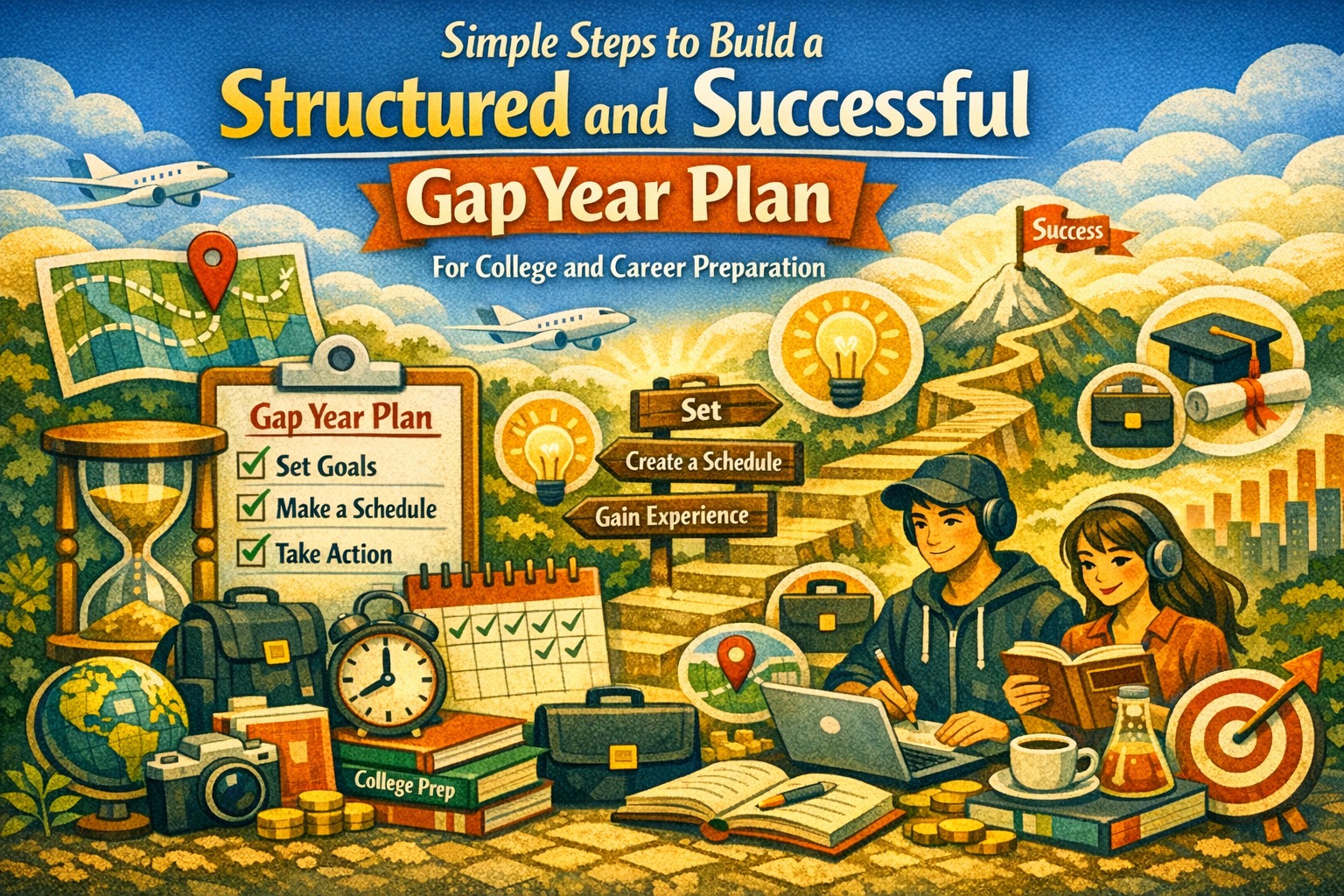
A gap year can become a valuable journey when it is planned with simple and clear steps. Many people take this time to grow and prepare for future goals. Without a structured plan it is easy to feel lost and unproductive. That is why building a clear strategy from the beginning is very important. A well organized plan helps you stay focused and use your time wisely. In the end a structured gap year can lead to real progress and long term success.
SETTING CLEAR GOALS AND DEFINING YOUR PURPOSE
Setting clear goals is the first step to building a successful gap year plan. Goals help you understand what you want to achieve during this time. Without clear goals you may feel confused and unsure about your direction. You can focus on learning skills or gaining experience. Clear goals give you a strong sense of purpose. This makes your daily activities more meaningful.
In addition defining your purpose keeps you motivated. You will have a clear reason to stay consistent every day. Goals also help you make better decisions. You can focus on activities that support your future plans. Tracking your progress becomes easier with clear targets. As a result your gap year becomes more effective and rewarding.
CREATING A SIMPLE AND STRUCTURED PLAN
A simple plan helps you stay organized without feeling overwhelmed. You can create a daily or weekly schedule to manage your time. This includes time for learning working and resting. A structured plan helps you build discipline and consistency. It also keeps your routine balanced and productive. Each day becomes more focused and efficient.
At the same time your plan should remain flexible. Unexpected situations can happen at any time. Being flexible allows you to adjust without losing direction. You can take advantage of new opportunities. The key is to stay consistent while adapting when needed. This balance helps your plan work effectively.
DEVELOPING SKILLS THROUGH CONSISTENT LEARNING
A gap year is a great time to build new skills. You can learn communication digital skills or creative thinking. These skills are useful for both education and career growth. Learning also helps you grow as a person. It improves your confidence and problem solving ability. This prepares you for future challenges.
There are many simple ways to learn during a gap year. You can join online courses or attend training programs. Self learning is also very effective. Reading and practicing regularly will improve your skills. The more effort you give the better your results will be. Over time you will see clear improvement.
GAINING EXPERIENCE AND EXPANDING YOUR NETWORK
Experience is an important part of a successful gap year. You can try internships part time jobs or volunteer work. These activities help you understand real world situations. You learn how to work with others and manage responsibilities. This builds confidence and independence. Experience adds strong value to your personal growth.
In addition building a network is very important. Meeting new people can open many opportunities. You can learn from their experiences and ideas. Networking helps you grow both personally and professionally. It also increases your chances of future success. This makes your gap year more impactful.
MAINTAINING CONSISTENCY AND REVIEWING YOUR PROGRESS
Consistency is the key to achieving success during your gap year. Without consistency your plans will not give good results. You need to stay disciplined in your daily routine. Even when you feel unmotivated you should keep going. Small efforts each day lead to big achievements. This helps you reach your long term goals.
Reviewing your progress is also very important. You should evaluate your results regularly. This helps you understand what works and what needs improvement. With regular review you can improve your plan. It also helps you learn from your mistakes. In the end your gap year will bring real benefits for your future.