 English EN
  Indonesia ID

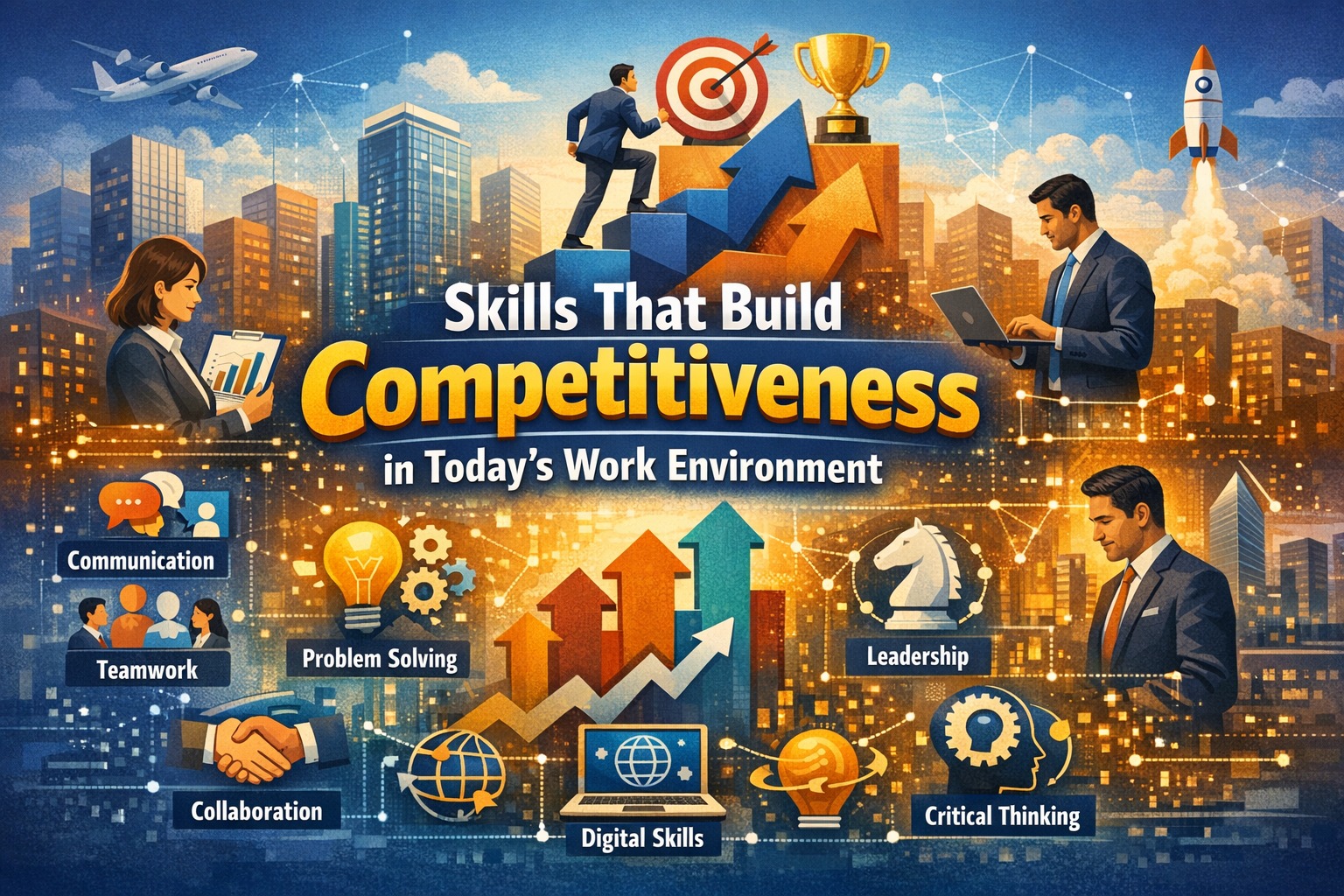
The modern work environment is evolving at an unprecedented pace, driven by rapid technological advancements and shifting global dynamics. As industries transform, the expectations placed on individuals are no longer limited to technical expertise alone. Instead, a broader set of skills is required to remain competitive and adaptable in a constantly changing landscape.
In today’s professional world, companies seek individuals who can not only perform tasks efficiently but also contribute to innovation and problem-solving. The ability to navigate uncertainty and respond to new challenges has become a critical factor in determining long-term career success. This shift highlights the importance of developing a well-rounded skill set.
Moreover, globalization has increased competition across borders, making it essential for workers to differentiate themselves. Professionals are now competing not just locally but on an international scale. This reality encourages continuous learning and self-improvement to maintain relevance in the job market.
Understanding the skills that build competitiveness is the first step toward achieving career growth. By recognizing these essential competencies, individuals can better prepare themselves to meet the demands of modern workplaces and seize emerging opportunities.
ADAPTABILITY AS A CORE COMPETENCY
Adaptability has emerged as one of the most crucial skills in today’s work environment. With industries undergoing constant transformation, employees must be willing and able to adjust to new technologies, processes, and roles. This flexibility enables individuals to stay productive even when faced with unexpected changes.
Being adaptable also means having a growth mindset. Individuals who embrace learning and view challenges as opportunities tend to perform better in dynamic environments. They are more open to feedback and continuously seek ways to improve their performance and expand their capabilities.
In addition, adaptability supports resilience in the workplace. When facing setbacks or disruptions, adaptable individuals can recover quickly and find alternative solutions. This ability not only benefits personal development but also contributes to the overall stability and success of an organization.
Ultimately, adaptability allows professionals to remain relevant in an ever-changing world. By cultivating this skill, individuals can navigate uncertainties with confidence and maintain a competitive edge in their careers.
THE IMPORTANCE OF COMMUNICATION AND COLLABORATION
Effective communication is a foundational skill that significantly impacts workplace success. Clear and concise communication ensures that ideas are understood, tasks are completed efficiently, and misunderstandings are minimized. It plays a vital role in both individual performance and team dynamics.
Collaboration is equally important, as most modern workplaces rely on teamwork to achieve organizational goals. The ability to work well with others, respect diverse perspectives, and contribute to collective efforts enhances productivity and fosters a positive work environment. Strong collaboration skills often lead to more innovative and effective solutions.
Furthermore, communication and collaboration are closely interconnected. Successful teams rely on open dialogue, active listening, and mutual respect. Individuals who excel in these areas can build strong professional relationships and create a culture of trust within their teams.
As remote and hybrid work models become more common, these skills are even more critical. Professionals must be able to communicate effectively across digital platforms and collaborate with colleagues from different locations and backgrounds, making these competencies indispensable in today’s work environment.
CRITICAL THINKING AND PROBLEM-SOLVING SKILLS
Critical thinking is a key driver of competitiveness in the modern workplace. It involves the ability to analyze information, evaluate different perspectives, and make informed decisions. In a world where data is abundant, the ability to think critically helps individuals identify what truly matters.
Problem-solving skills complement critical thinking by enabling individuals to address challenges effectively. Rather than reacting impulsively, skilled problem-solvers take a structured approach to identifying issues, exploring solutions, and implementing the best course of action. This process leads to more sustainable and impactful outcomes.
Employers highly value individuals who can think independently and contribute to decision-making processes. These skills are particularly important in complex situations where there is no clear solution. Professionals who can navigate such scenarios are often seen as valuable assets to their organizations.
Developing critical thinking and problem-solving abilities requires practice and continuous learning. By engaging in analytical tasks and reflecting on experiences, individuals can strengthen these skills and enhance their ability to tackle real-world challenges effectively.
DIGITAL LITERACY AND CONTINUOUS LEARNING
Digital literacy has become a fundamental requirement in nearly every profession. As technology continues to shape the way we work, individuals must be comfortable using digital tools and platforms. This includes not only basic technical skills but also the ability to adapt to new systems and innovations.
Continuous learning is closely linked to digital literacy. In a rapidly changing environment, knowledge can quickly become outdated. Professionals who commit to lifelong learning are better equipped to stay ahead of industry trends and maintain their relevance in the workforce.
Additionally, digital literacy enhances efficiency and productivity. By leveraging technology effectively, individuals can streamline tasks, improve communication, and access valuable information more easily. This capability provides a significant advantage in competitive work environments.
Ultimately, embracing continuous learning ensures long-term career growth. By staying curious and proactive in acquiring new skills, individuals can adapt to evolving demands and remain competitive in an increasingly digital world.