 English EN
  Indonesia ID

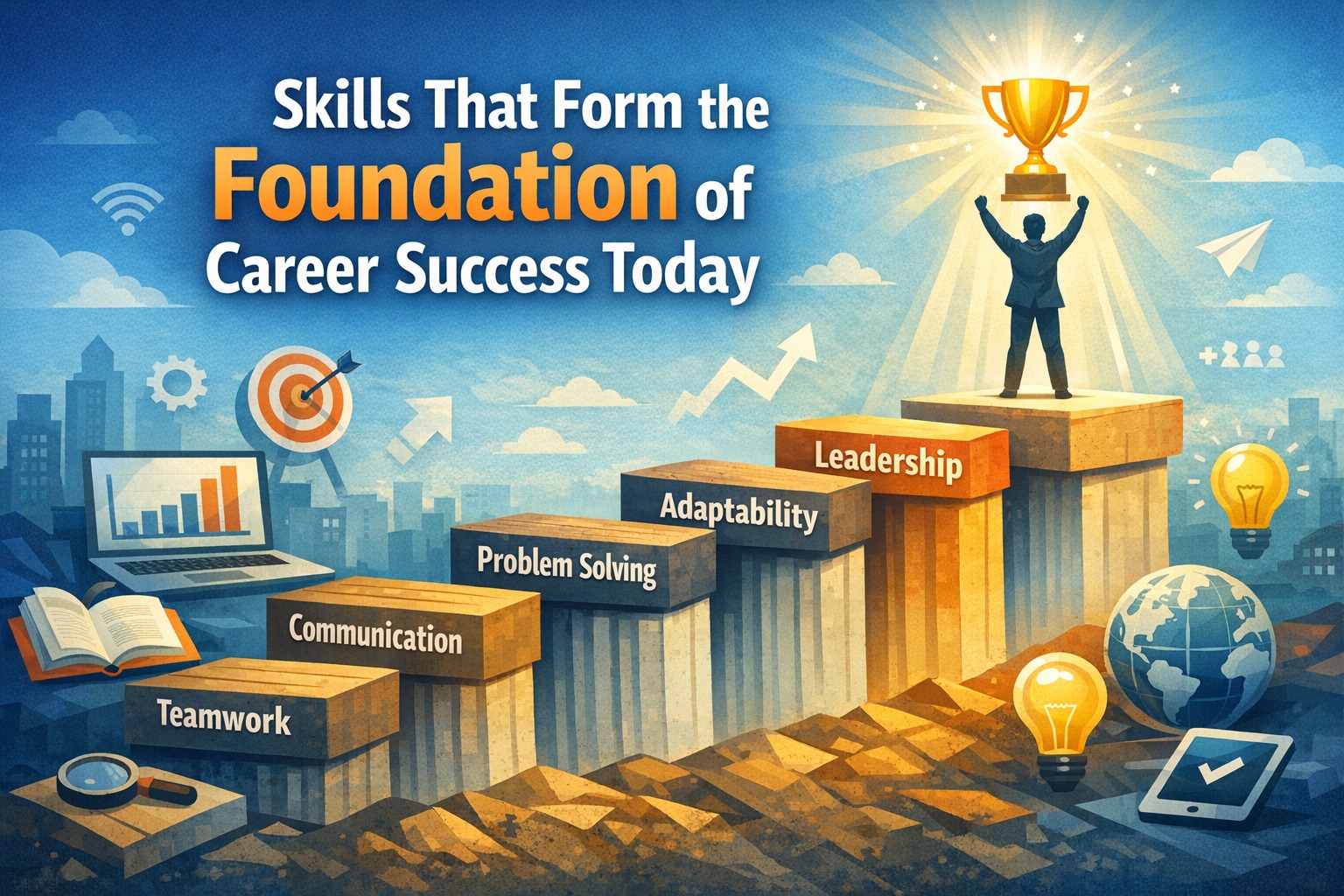
In today’s fast-moving professional landscape, adaptability has become one of the most essential skills for long-term career success. Industries are evolving due to technological advancements, shifting market demands, and global competition. Individuals who can adjust quickly to these changes are more likely to stay relevant and competitive in their fields.
Adaptability is not only about accepting change but also about embracing it as an opportunity for growth. Professionals who demonstrate flexibility are often more open to learning new tools, systems, and approaches. This mindset allows them to remain productive even when facing uncertainty or unexpected challenges.
Furthermore, adaptability enhances problem-solving capabilities. When situations change, rigid thinking can limit progress. However, those who are adaptable can approach problems from multiple perspectives, leading to more effective and innovative solutions.
Employers increasingly value this skill because it contributes to resilience within organizations. Teams composed of adaptable individuals are better equipped to navigate disruptions and maintain performance, making adaptability a cornerstone of modern career development.
COMMUNICATION AS A KEY PROFESSIONAL ASSET
Effective communication remains a fundamental skill that influences nearly every aspect of a professional career. It involves not only conveying ideas clearly but also listening actively and understanding others. Strong communication skills help build relationships, reduce misunderstandings, and foster collaboration in the workplace.
In a diverse and often remote working environment, communication takes on even greater importance. Professionals must be able to express their thoughts across different platforms, including emails, virtual meetings, and presentations. Clarity and tone play a crucial role in ensuring messages are received as intended.
Additionally, communication supports leadership development. Individuals who can articulate their vision and motivate others are more likely to take on leadership roles. They can inspire teams, manage conflicts, and guide projects toward successful outcomes.
Beyond internal interactions, communication also affects how professionals represent their organizations externally. Whether dealing with clients, partners, or stakeholders, the ability to communicate effectively contributes to building trust and credibility.
CRITICAL THINKING AND PROBLEM-SOLVING ABILITIES
Critical thinking is a vital skill that enables individuals to analyze information objectively and make informed decisions. In an era where information is abundant, the ability to evaluate data and identify relevant insights is crucial for professional success.
Problem-solving, closely related to critical thinking, involves identifying challenges and developing practical solutions. Professionals who excel in this area can navigate complex situations with confidence and efficiency. They are often seen as valuable assets within their organizations.
Moreover, critical thinking encourages creativity. By questioning assumptions and exploring alternative perspectives, individuals can develop innovative approaches to problems. This not only improves outcomes but also drives continuous improvement within organizations.
Employers seek individuals who can think independently and make sound judgments. These skills contribute to better decision-making processes, reduce risks, and enhance overall organizational performance.
EMOTIONAL INTELLIGENCE IN THE WORKPLACE
Emotional intelligence refers to the ability to understand and manage one’s emotions while also recognizing and influencing the emotions of others. This skill plays a significant role in building strong interpersonal relationships in the workplace.
Professionals with high emotional intelligence are better at handling stress and maintaining composure under pressure. They can navigate workplace challenges with a calm and balanced approach, which positively impacts team dynamics and productivity.
Additionally, emotional intelligence supports effective collaboration. Understanding different perspectives and responding empathetically helps create a more inclusive and supportive work environment. This leads to stronger teamwork and improved outcomes.
In leadership contexts, emotional intelligence is particularly valuable. Leaders who demonstrate empathy and self-awareness are more likely to gain the trust and respect of their teams. This fosters a positive organizational culture and encourages employee engagement.
CONTINUOUS LEARNING AND SELF-DEVELOPMENT
The concept of lifelong learning has become increasingly important in today’s professional world. As industries evolve, skills that were once relevant may quickly become outdated. Continuous learning ensures that individuals remain competitive and prepared for new opportunities.
Self-development involves actively seeking knowledge and improving one’s abilities. This can be achieved through formal education, online courses, workshops, or practical experience. Professionals who invest in their growth are more likely to achieve long-term success.
Furthermore, continuous learning enhances adaptability. By staying informed about industry trends and emerging technologies, individuals can anticipate changes and respond proactively. This reduces the risk of skill obsolescence and increases career resilience.
Employers value individuals who demonstrate a commitment to learning. It reflects a proactive attitude and a willingness to grow, which are essential qualities in a dynamic work environment. Ultimately, continuous learning forms the foundation for sustained career advancement.