 English EN
  Indonesia ID

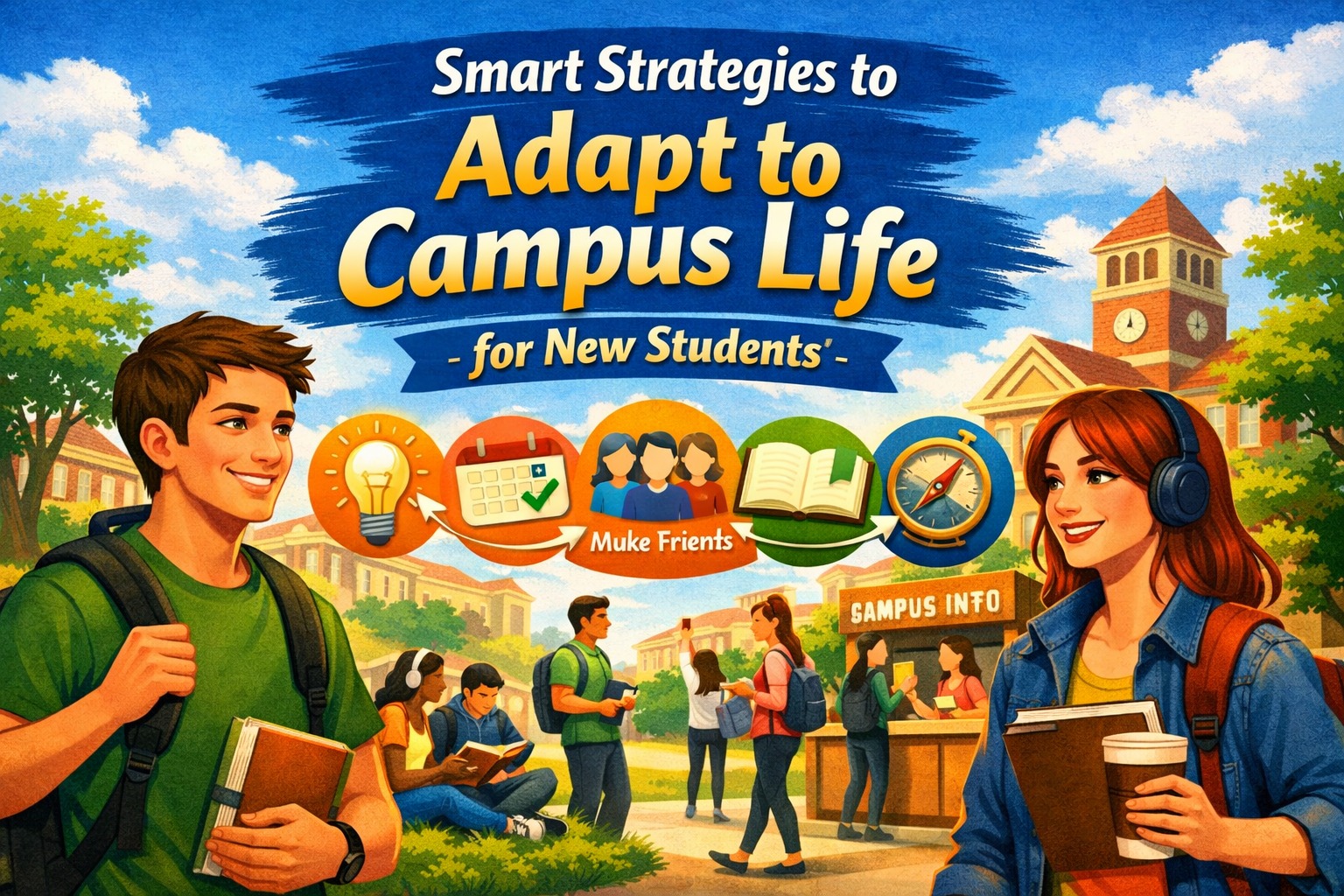
Starting college is an exciting milestone, but it can also feel overwhelming for new students. Adjusting to a new environment, academic system, and social circle requires both preparation and the right mindset. By applying smart strategies, students can transition smoothly into campus life and build a strong foundation for success.
UNDERSTANDING THE CAMPUS ENVIRONMENT
One of the first steps to adapting to college life is becoming familiar with the campus environment. New students should take time to explore important facilities such as libraries, lecture halls, student centers, and recreational areas. Knowing where things are located reduces stress and helps students feel more confident navigating daily activities.
In addition, understanding campus rules, academic systems, and available resources can make a significant difference. Many universities provide orientation programs, which are valuable opportunities to gain insights and ask questions. Being proactive during this phase helps students avoid confusion later on.
BUILDING SOCIAL CONNECTIONS
Social adaptation is just as important as academic adjustment. Making friends and building relationships can help new students feel more comfortable and supported. Joining student organizations, clubs, or campus communities is a great way to meet people with similar interests.
It is also important to communicate openly and be approachable. Simple actions like introducing yourself, participating in group discussions, or attending campus events can lead to meaningful connections. A strong social network not only enhances the college experience but also provides emotional support during challenging times.
MANAGING TIME AND RESPONSIBILITIES
College life often comes with increased independence and responsibility. Without proper time management, students may struggle to balance academic tasks, social activities, and personal life. Creating a daily or weekly schedule can help prioritize important tasks and avoid last-minute stress.
Students should also learn to set realistic goals and avoid procrastination. Breaking assignments into smaller tasks makes them more manageable and less overwhelming. By developing effective time management habits early on, students can maintain productivity while still enjoying their campus experience.
MAINTAINING MENTAL AND PHYSICAL WELL-BEING
Adapting to a new environment can be mentally and physically demanding. Therefore, maintaining overall well-being is essential. Students should ensure they get enough rest, eat balanced meals, and engage in regular physical activity.
Mental health is equally important. Taking breaks, practicing relaxation techniques, and seeking support when needed can help reduce stress. Many campuses offer counseling services that students can access if they feel overwhelmed. A healthy mind and body will enable students to perform better academically and socially.
Adjusting to campus life may take time, but with the right strategies, it becomes a rewarding journey. By understanding the environment, building connections, managing responsibilities, and maintaining well-being, new students can thrive and make the most of their college experience.