 English EN
  Indonesia ID

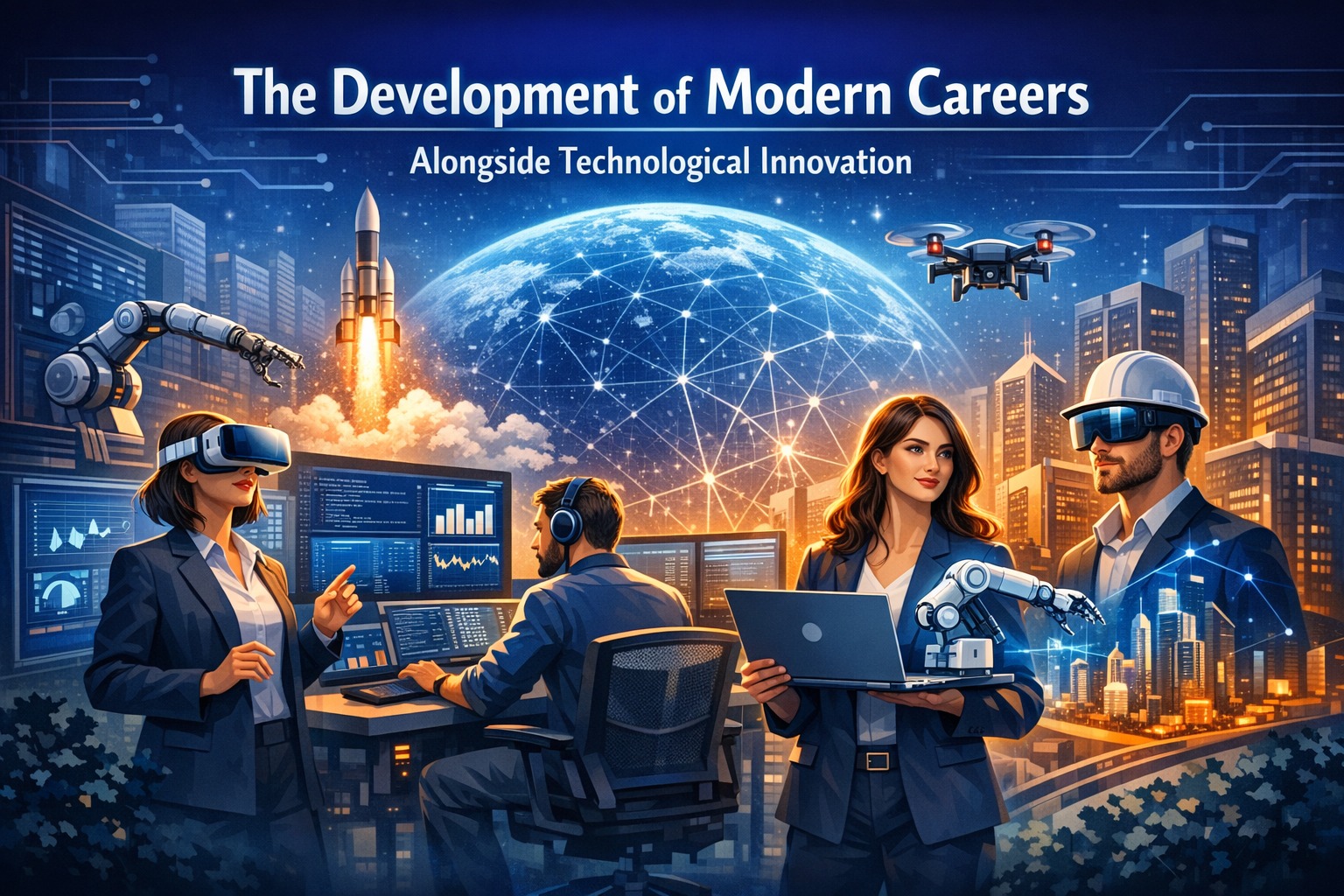
The rapid growth of technology has significantly transformed the way careers are built and developed in the modern world. In the past, career paths were often linear and predictable, with individuals staying in one field for decades. Today, technological innovation has created a dynamic environment where adaptability and continuous learning are essential for long-term success.
Digital transformation has influenced nearly every industry, from education and healthcare to finance and entertainment. As a result, new roles are emerging while traditional ones are being reshaped or even replaced. This shift challenges individuals to stay relevant by acquiring new skills and embracing change rather than resisting it.
The rise of automation, artificial intelligence, and digital platforms has also redefined productivity and efficiency in the workplace. Employees are no longer confined to physical offices, as remote work and digital collaboration tools have become more accessible. This has broadened opportunities for people across different regions and backgrounds.
Understanding how careers evolve alongside technological innovation is crucial for anyone looking to thrive in today's competitive job market. By recognizing these changes, individuals can better prepare themselves for future challenges and opportunities.
IMPACT OF TECHNOLOGICAL ADVANCEMENTS ON JOB OPPORTUNITIES
Technological advancements have opened the door to a wide range of new job opportunities that did not exist a decade ago. Careers in data science, cybersecurity, digital marketing, and software development are just a few examples of fields that have grown rapidly due to technological progress. These roles often require specialized skills and continuous learning.
At the same time, some traditional jobs have been automated or significantly altered. Routine tasks in manufacturing, administration, and even customer service are increasingly handled by machines or software systems. While this may reduce certain job opportunities, it also creates demand for new roles that manage and improve these technologies.
The gig economy is another major outcome of technological innovation. Freelancing platforms and remote work tools allow individuals to work independently and collaborate with clients worldwide. This flexibility enables people to pursue multiple career paths simultaneously, breaking away from the traditional concept of a single full-time job.
However, the changing job landscape also presents challenges, particularly for those who struggle to adapt to new technologies. Without proper training and access to education, some individuals may find it difficult to compete in the evolving workforce. Therefore, continuous skill development is essential for staying relevant.
THE ROLE OF SKILLS AND EDUCATION IN MODERN CAREERS
As technology continues to evolve, the importance of skills and education becomes increasingly evident. Employers are now prioritizing practical skills and adaptability over traditional qualifications alone. This shift encourages individuals to focus on lifelong learning and self-improvement.
Digital literacy has become a fundamental requirement in almost every profession. Understanding how to use digital tools, analyze data, and communicate effectively online is no longer optional. These competencies enable individuals to work efficiently and remain competitive in a technology-driven environment.
In addition to technical skills, soft skills such as communication, critical thinking, and creativity play a crucial role in career success. Technology may handle repetitive tasks, but human skills are essential for problem-solving, innovation, and collaboration. A balanced combination of both skill sets is key to thriving in modern careers.
Educational institutions and online learning platforms are adapting to these changes by offering more flexible and relevant programs. Courses focused on emerging technologies and industry needs help individuals stay up-to-date. This accessibility allows more people to gain the knowledge required for evolving career paths.
FUTURE TRENDS AND THE CONTINUOUS EVOLUTION OF CAREERS
Looking ahead, the relationship between careers and technological innovation is expected to grow even stronger. Emerging technologies such as artificial intelligence, blockchain, and virtual reality will continue to shape the future of work. These advancements will create new industries and redefine existing ones.
The concept of a lifelong career in a single field is becoming less common. Instead, individuals are likely to experience multiple career transitions throughout their lives. This requires a mindset that embraces change and values continuous growth and learning.
Remote work and global collaboration are also expected to remain prominent trends. As technology improves communication and connectivity, geographical barriers will become less relevant. This allows individuals to access opportunities beyond their local environment and compete on a global scale.
Ultimately, the development of modern careers alongside technological innovation highlights the need for adaptability, resilience, and curiosity. Those who are willing to learn and evolve will be better positioned to succeed in an ever-changing world.