 English EN
  Indonesia ID

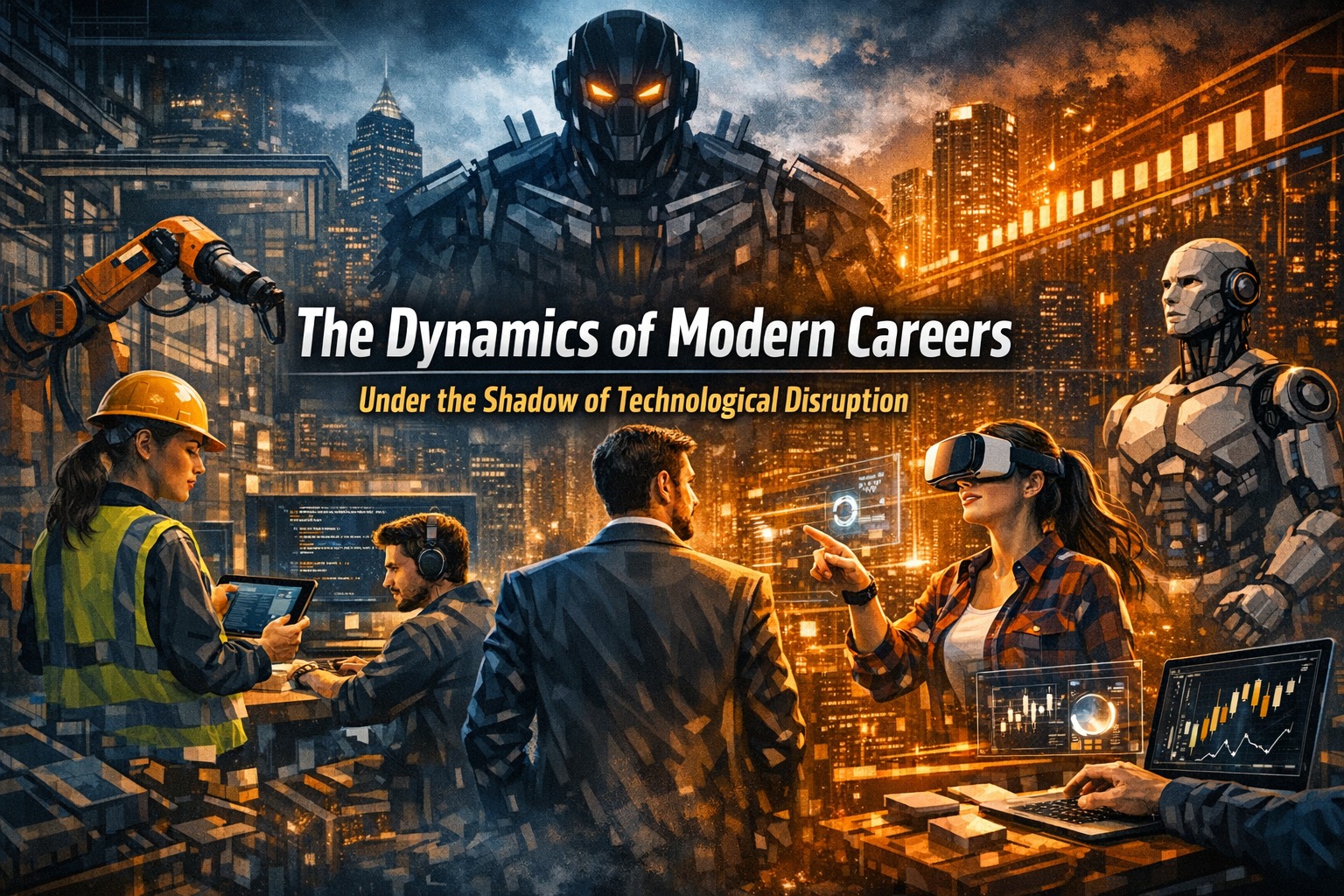
The modern career landscape is evolving at an unprecedented pace, largely driven by continuous technological disruption. Innovations in automation, artificial intelligence, and digital platforms have reshaped not only how work is performed but also how careers are built and sustained. Traditional career paths that once followed a linear trajectory are now being replaced by more dynamic and flexible models.
As industries transform, job roles are constantly being redefined. Skills that were once considered essential may quickly become outdated, while new competencies emerge as highly valuable. This shift creates both opportunities and uncertainties for individuals navigating their professional journeys in today’s fast-paced environment.
The influence of technology extends beyond job functions to organizational structures and workplace culture. Remote work, digital collaboration, and global talent pools are becoming standard practices. These changes demand that professionals adapt not only technically but also socially and emotionally to remain relevant.
Understanding the dynamics of modern careers requires a broader perspective that goes beyond technical skills. It involves recognizing the interplay between innovation, adaptability, and continuous learning. Those who can embrace change and proactively evolve alongside technology are more likely to thrive in this new era.
THE IMPACT OF TECHNOLOGICAL DISRUPTION ON JOB ROLES
Technological disruption has fundamentally altered the nature of work across various industries. Automation has replaced repetitive tasks, allowing machines to perform functions that once required human labor. While this increases efficiency, it also raises concerns about job displacement and the future of certain professions.
At the same time, new roles are emerging that did not exist a decade ago. Careers in data science, cybersecurity, and digital marketing have grown rapidly, reflecting the demands of a technology-driven economy. This shift highlights the importance of staying informed about industry trends and aligning skills with market needs.
The transformation of job roles also requires a shift in mindset. Employees are no longer expected to perform a single function but to be versatile and capable of adapting to multiple responsibilities. Cross-functional skills and interdisciplinary knowledge are becoming increasingly valuable in modern workplaces.
Despite the challenges, technological disruption offers significant opportunities for career growth. Individuals who are willing to reskill and upskill can transition into new roles and industries. The key lies in viewing change not as a threat but as a pathway to innovation and professional development.
THE RISE OF CONTINUOUS LEARNING AND SKILL ADAPTATION
In the face of rapid technological advancements, continuous learning has become a necessity rather than an option. Professionals must constantly update their knowledge to keep pace with evolving industry demands. Lifelong learning is now a defining characteristic of successful career development.
Educational pathways are also changing to accommodate this need. Online courses, micro-credentials, and self-paced learning platforms provide flexible opportunities for individuals to acquire new skills. This accessibility allows people from diverse backgrounds to participate in the digital economy.
Skill adaptation goes beyond technical abilities. Soft skills such as critical thinking, communication, and emotional intelligence are gaining importance. These competencies enable individuals to navigate complex work environments and collaborate effectively in diverse teams.
The willingness to learn and adapt is a key differentiator in modern careers. Those who actively seek growth opportunities are better positioned to respond to technological changes. By embracing a mindset of continuous improvement, professionals can maintain relevance and resilience in an ever-changing job market.
NAVIGATING UNCERTAINTY AND BUILDING FUTURE-READY CAREERS
Uncertainty has become a defining feature of modern careers, largely due to the unpredictable nature of technological disruption. Economic shifts, industry transformations, and emerging technologies can quickly alter career trajectories. This reality requires individuals to be more strategic and flexible in their professional planning.
Building a future-ready career involves anticipating change and preparing for multiple possibilities. Rather than relying on a single career path, individuals are increasingly exploring diverse opportunities and developing transferable skills. This approach enhances adaptability and reduces vulnerability to sudden disruptions.
Networking and personal branding also play a crucial role in navigating uncertainty. Establishing a strong professional presence and maintaining meaningful connections can open doors to new opportunities. In a digital age, visibility and credibility are essential components of career success.
Ultimately, resilience and adaptability are the cornerstones of sustainable careers. Embracing change, staying informed, and continuously evolving are key strategies for long-term success. By understanding the dynamics of technological disruption, individuals can transform uncertainty into a catalyst for growth and innovation.