 English EN
  Indonesia ID

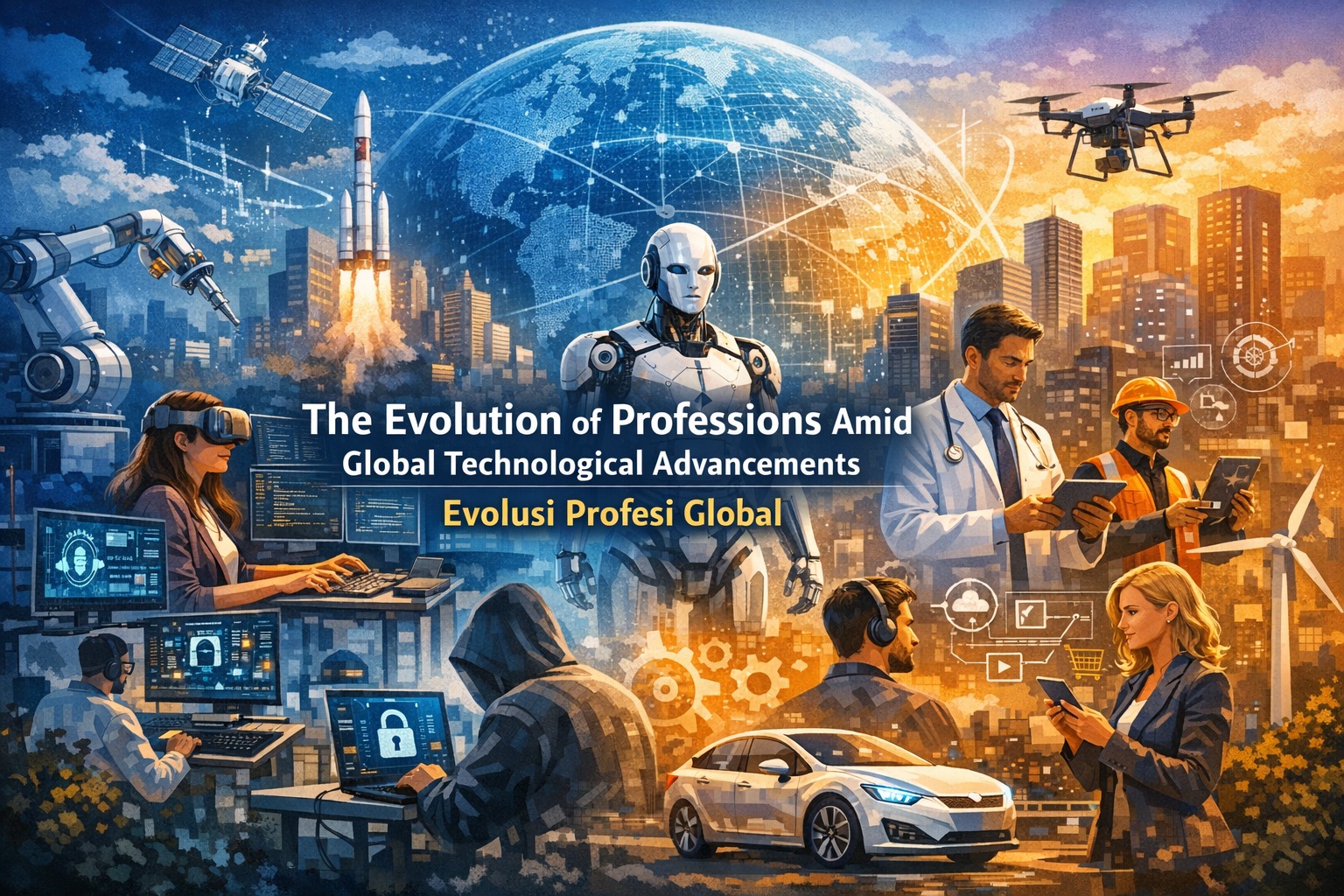
The global workforce has undergone a profound transformation as technology continues to reshape how industries operate. Traditional professions that once relied heavily on manual processes are gradually being replaced or enhanced by digital systems. This shift has not only changed job descriptions but also redefined the skills required to remain relevant in the modern economy.
In the past, many careers were built on routine tasks and predictable workflows. Today, automation and artificial intelligence have taken over repetitive responsibilities, allowing professionals to focus on more strategic and creative aspects of their work. As a result, job roles have become more dynamic, requiring individuals to adapt quickly to new tools and systems.
The rise of digital platforms has also created entirely new career paths that did not exist a decade ago. Fields such as data science, cybersecurity, and digital marketing have emerged as critical components of modern business operations. These professions highlight how technology is not only replacing jobs but also generating new opportunities for growth.
Despite these advancements, the transition is not without challenges. Many workers face difficulties in adapting to new technologies, especially those who have spent years in traditional roles. Continuous learning and upskilling have become essential for anyone seeking to remain competitive in an increasingly digital world.
THE ROLE OF AUTOMATION AND ARTIFICIAL INTELLIGENCE IN WORKPLACE TRANSFORMATION
Automation and artificial intelligence have become central drivers of change across industries. These technologies enable organizations to improve efficiency, reduce operational costs, and enhance decision-making processes. As a result, businesses are increasingly integrating intelligent systems into their daily operations.
One of the most significant impacts of automation is its ability to handle repetitive and time-consuming tasks. This allows employees to dedicate more time to complex problem-solving and innovation. Rather than eliminating jobs entirely, automation often transforms roles, requiring workers to collaborate with technology instead of competing against it.
Artificial intelligence, in particular, has expanded the scope of what machines can accomplish. From predictive analytics to natural language processing, AI systems are capable of performing tasks that once required human expertise. This has led to the emergence of hybrid roles where technical knowledge and human judgment must work together.
However, the rapid adoption of these technologies also raises concerns about job displacement and workforce inequality. While some professions benefit from increased efficiency, others may face reduced demand. Addressing these challenges requires a balanced approach that includes reskilling programs and policies that support workforce transition.
THE IMPORTANCE OF ADAPTABILITY AND LIFELONG LEARNING
In a rapidly evolving technological landscape, adaptability has become one of the most valuable traits for professionals. The ability to learn new skills and adjust to changing environments is no longer optional but essential for long-term career success. Individuals who embrace change are more likely to thrive in uncertain conditions.
Lifelong learning plays a critical role in maintaining professional relevance. With the constant emergence of new tools and technologies, knowledge quickly becomes outdated. Professionals must actively seek opportunities to expand their expertise through formal education, online courses, and hands-on experience.
Organizations are also recognizing the importance of continuous development. Many companies invest in training programs to help employees stay up to date with industry trends. This not only benefits individuals but also strengthens the overall competitiveness of the organization.
Furthermore, adaptability extends beyond technical skills. Soft skills such as communication, critical thinking, and emotional intelligence remain crucial in a technology-driven workplace. These human-centered abilities complement technical knowledge and enable professionals to navigate complex work environments effectively.
FUTURE TRENDS AND THE REDEFINITION OF PROFESSIONAL SUCCESS
Looking ahead, the evolution of professions is expected to accelerate as technology continues to advance. Emerging innovations such as blockchain, virtual reality, and advanced robotics are likely to create new industries and redefine existing ones. This ongoing transformation will shape the future of work in unpredictable ways.
Professional success is also being redefined in this new era. Traditional metrics such as job stability and long-term employment are gradually being replaced by flexibility and continuous growth. Many individuals now prioritize meaningful work, work-life balance, and opportunities for skill development over conventional career paths.
The rise of remote work and digital collaboration tools has further expanded the possibilities for professionals worldwide. Geographic boundaries are becoming less relevant, allowing individuals to work for organizations across different countries. This global connectivity increases competition but also opens doors to diverse opportunities.
Ultimately, the future of professions will depend on how individuals and organizations respond to technological change. Those who embrace innovation, invest in learning, and remain adaptable will be better positioned to succeed. As technology continues to evolve, so too will the definition of what it means to build a successful and fulfilling career.