 English EN
  Indonesia ID

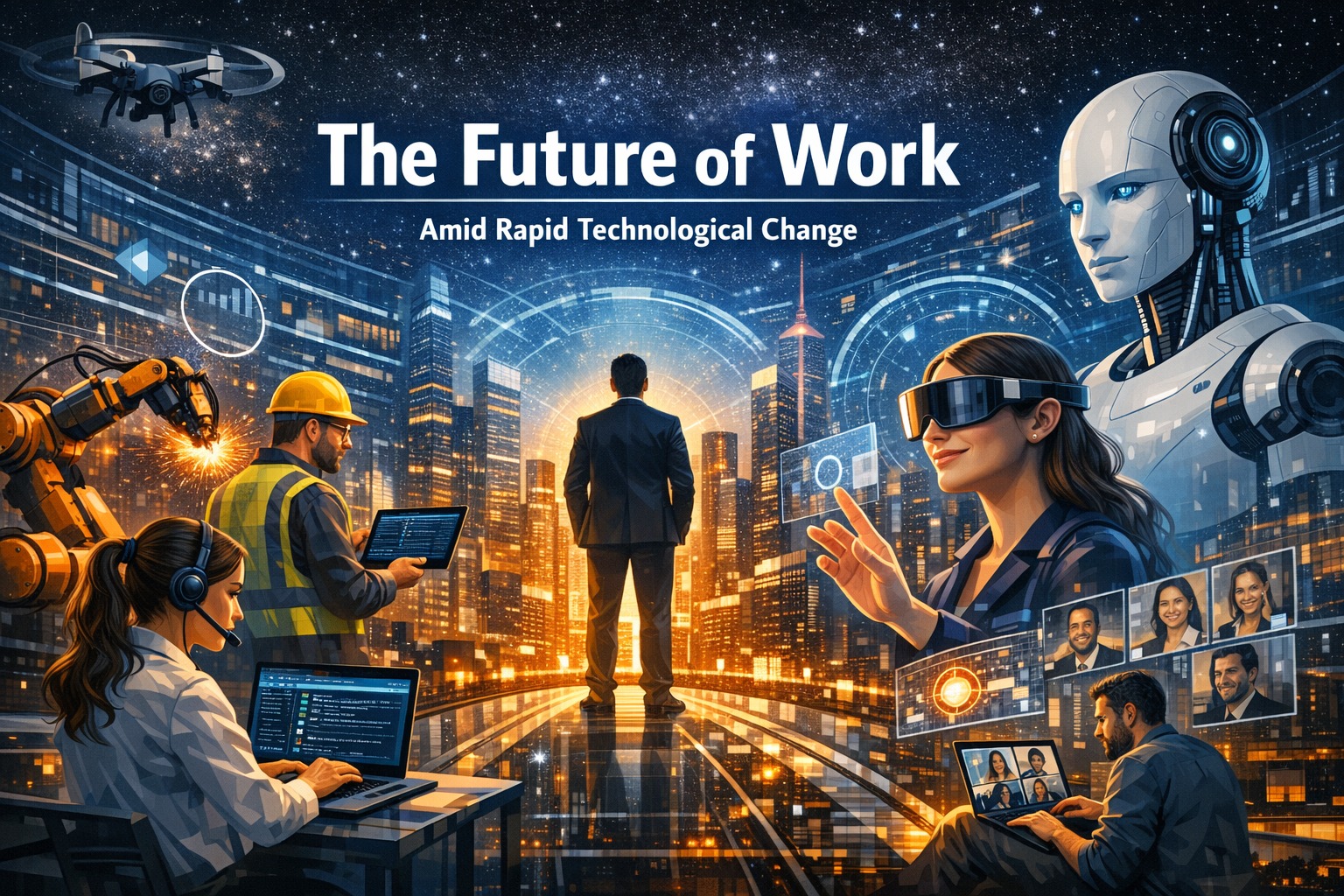
The world of work is undergoing a profound transformation driven by rapid technological advancements. From automation to artificial intelligence, the way people work, collaborate, and build careers is evolving faster than ever before. These changes are not only reshaping industries but also redefining what it means to be employable in the modern era.
As organizations adopt new technologies, traditional job roles are being restructured or replaced. While some positions are becoming obsolete, new opportunities are emerging that demand a different set of skills and mindsets. This shift is creating both challenges and opportunities for individuals across all sectors.
The integration of digital tools into everyday work processes has also blurred the boundaries between physical and virtual workplaces. Remote work, digital collaboration, and flexible schedules are becoming more common, allowing employees to work from anywhere while maintaining productivity and efficiency.
Understanding the future of work requires a willingness to adapt and continuously learn. Those who can anticipate changes and respond proactively will be better positioned to thrive in a rapidly evolving professional environment.
THE ROLE OF TECHNOLOGY IN SHAPING JOB MARKETS
Technology plays a central role in shaping the modern job market. Innovations such as artificial intelligence, machine learning, and robotics are automating repetitive tasks, enabling businesses to operate more efficiently. This shift allows human workers to focus on more strategic, creative, and complex responsibilities.
However, the rise of automation has also raised concerns about job displacement. Certain roles, particularly those involving routine tasks, are at a higher risk of being replaced by machines. Despite this, history shows that technological revolutions often create more jobs than they eliminate, albeit in different forms.
Digital transformation is also giving rise to entirely new industries and professions. Careers in data science, cybersecurity, and digital marketing have seen significant growth in recent years. These roles require specialized skills that were not widely needed a decade ago, highlighting the importance of staying updated with industry trends.
Employers are increasingly seeking individuals who are not only technically proficient but also adaptable. The ability to learn new tools quickly and apply them effectively is becoming a key differentiator in the job market.
ESSENTIAL SKILLS FOR THE FUTURE WORKFORCE
As technology continues to evolve, the demand for certain skills is becoming more pronounced. Technical skills such as coding, data analysis, and digital literacy are highly valued across many industries. These competencies enable individuals to work effectively alongside advanced technologies.
At the same time, soft skills are gaining equal importance. Skills such as communication, critical thinking, and emotional intelligence are essential for navigating complex work environments. These human-centered abilities cannot be easily replicated by machines, making them crucial for long-term career success.
Adaptability is another critical skill in the future workforce. With constant changes in technology and job requirements, individuals must be willing to learn and unlearn continuously. Lifelong learning is no longer optional but a necessity in staying relevant.
Collaboration skills are also becoming increasingly important, especially in remote and hybrid work settings. Being able to work effectively with diverse teams across different locations requires strong interpersonal and digital communication abilities.
CHALLENGES AND OPPORTUNITIES IN A TECH-DRIVEN ERA
The rapid pace of technological change presents several challenges for both individuals and organizations. One of the main challenges is the skills gap, where the demand for certain skills exceeds the available talent. This gap can hinder economic growth and limit opportunities for job seekers.
Another challenge is the need for continuous reskilling and upskilling. Workers must invest time and effort in learning new competencies to remain competitive. This can be particularly difficult for those who lack access to quality education and training resources.
Despite these challenges, there are numerous opportunities to be explored. Technology enables greater flexibility in how and where people work, allowing for better work-life balance. It also opens up global job markets, giving individuals access to opportunities beyond their local regions.
Organizations that embrace innovation and invest in their workforce are more likely to succeed in this evolving landscape. By fostering a culture of learning and adaptability, companies can empower their employees to navigate change effectively and drive long-term growth.