 English EN
  Indonesia ID

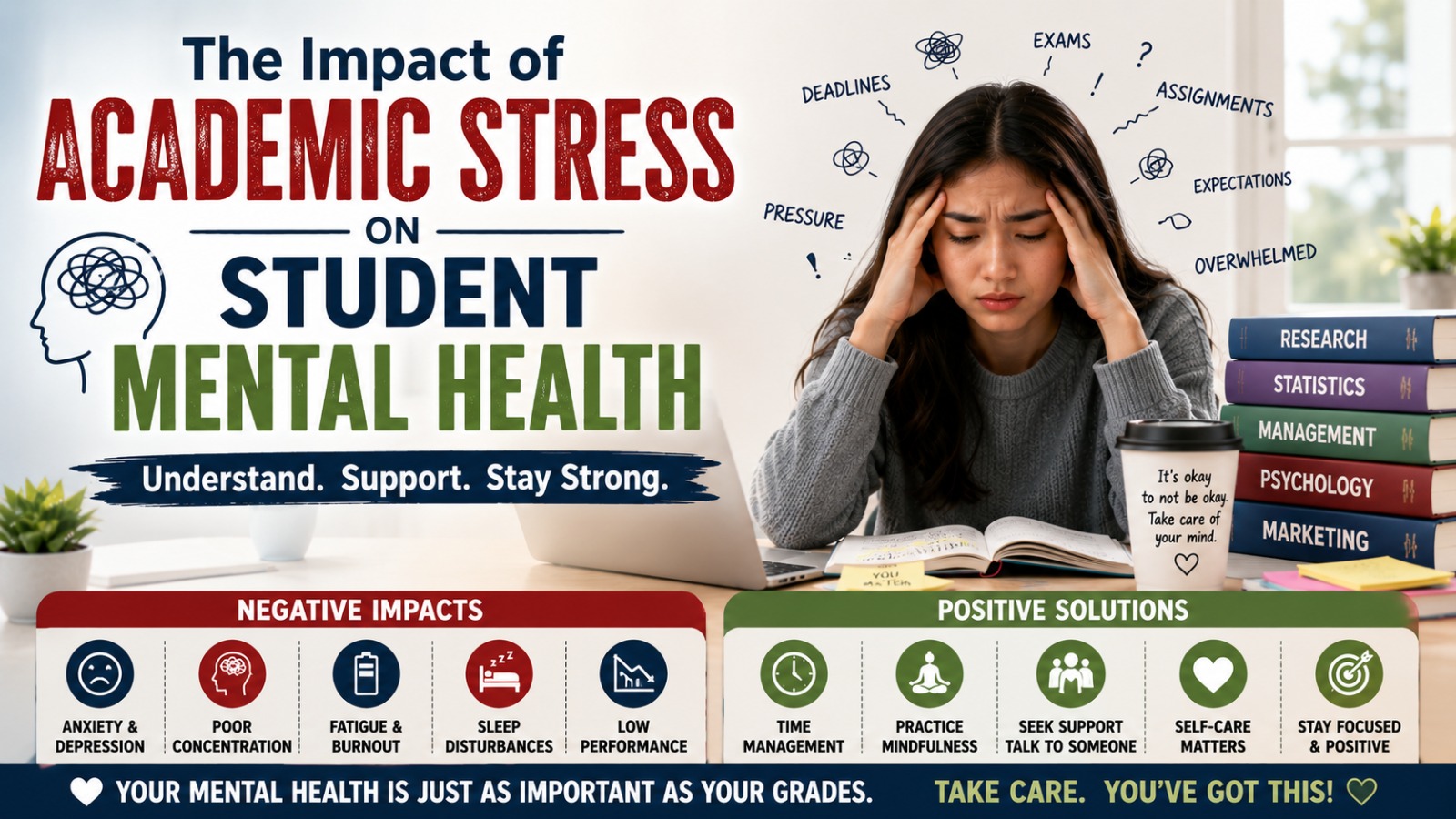
Academic stress has become a serious issue among students in modern education. The increasing demands of assignments, examinations, competition, and academic expectations often create pressure that affects students emotionally and psychologically. While education is important for personal development and future success, excessive academic stress can negatively impact mental health and overall well-being.
 0-8888-9999-64
 pmb.stekom.ac.id/2727
Many students struggle to balance their academic responsibilities with social life, extracurricular activities, and personal challenges. As academic pressure continues to grow, mental health problems such as anxiety, burnout, and depression are becoming more common among students. Therefore, understanding the impact of academic stress on student mental health is essential for creating healthier educational environments.
UNDERSTANDING ACADEMIC STRESS
Academic stress refers to the emotional and psychological pressure students experience because of educational demands. This stress may result from tight deadlines, high expectations, difficult examinations, or fear of failure. Moderate stress can sometimes motivate students to work harder and improve performance. However, excessive and prolonged stress can become harmful.
Students often feel pressured to achieve excellent grades and meet expectations from parents, teachers, or themselves. In highly competitive academic environments, many students compare their achievements with others, which can increase feelings of insecurity and anxiety.
The rapid development of technology and social media has also contributed to academic stress. Students frequently compare their accomplishments with peers online, creating additional emotional pressure and lowering self-confidence.
COMMON CAUSES OF ACADEMIC STRESS
Several factors contribute to academic stress among students. One major cause is the heavy workload students must handle daily. Multiple assignments, examinations, presentations, and projects can overwhelm students and reduce their ability to manage time effectively.
Parental and social expectations are also significant factors. Many students feel obligated to achieve high academic performance to satisfy family expectations or maintain scholarships. Fear of disappointing others can increase emotional pressure.
Another common cause is poor time management. Students who procrastinate or struggle to organize their schedules often experience higher stress levels before deadlines and examinations.
Financial difficulties may also affect mental health, especially for university students. Tuition fees, living expenses, and educational costs can create anxiety and distract students from academic focus.
THE EFFECTS OF ACADEMIC STRESS ON MENTAL HEALTH
Academic stress can have serious effects on student mental health. One of the most common impacts is anxiety. Students who constantly worry about grades and performance may experience nervousness, overthinking, and difficulty concentrating during classes or examinations.
Stress can also lead to emotional exhaustion and burnout. Burnout occurs when students feel physically and mentally drained due to continuous pressure. Burned-out students often lose motivation, feel emotionally detached, and struggle to maintain productivity.
Depression is another possible consequence of prolonged academic stress. Students who feel overwhelmed for long periods may experience sadness, hopelessness, and loss of interest in daily activities. In severe cases, poor mental health can interfere with relationships, academic performance, and overall quality of life.
Academic stress can also affect physical health. Many students experience headaches, fatigue, sleep disorders, and weakened immune systems because of excessive pressure. This shows that mental and physical health are closely connected.
HOW STUDENTS CAN MANAGE ACADEMIC STRESS
Students can take several steps to reduce academic stress and maintain mental well-being. Effective time management is one of the most important strategies. Creating study schedules and setting realistic goals can help students stay organized and avoid last-minute pressure.
Maintaining a healthy lifestyle is equally essential. Regular exercise, balanced nutrition, and sufficient sleep help improve emotional stability and increase energy levels. Physical activity can also reduce stress hormones and improve mood.
Students should also build strong support systems. Talking with friends, family members, teachers, or counselors can provide emotional encouragement and practical advice. Sharing problems with others often reduces feelings of isolation and anxiety.
Practicing relaxation techniques such as meditation, mindfulness, and deep breathing exercises can also help students manage stress effectively. Taking regular breaks during study sessions allows the mind to relax and improves concentration.
THE ROLE OF EDUCATIONAL INSTITUTIONS
Educational institutions have an important responsibility in addressing student mental health. Schools and universities should create supportive learning environments that encourage emotional well-being alongside academic achievement.
Providing counseling services and mental health programs can help students cope with stress more effectively. Workshops about stress management, emotional resilience, and healthy study habits are valuable for raising awareness about mental health.
Teachers should also promote positive classroom environments by encouraging open communication and understanding student challenges. Reducing excessive academic pressure and supporting balanced learning can improve student well-being significantly.
CONCLUSION
Academic stress has a major impact on student mental health and overall quality of life. While moderate stress may motivate students to improve performance, excessive pressure can lead to anxiety, burnout, depression, and physical health problems.
Students can reduce academic stress through effective time management, healthy lifestyles, supportive relationships, and relaxation techniques. At the same time, educational institutions should provide mental health support and create positive academic environments that prioritize emotional well-being.
Maintaining mental health is essential not only for academic success but also for personal growth and long-term happiness. A balanced and supportive educational environment can help students achieve their goals while protecting their mental and emotional health.