 English EN
  Indonesia ID

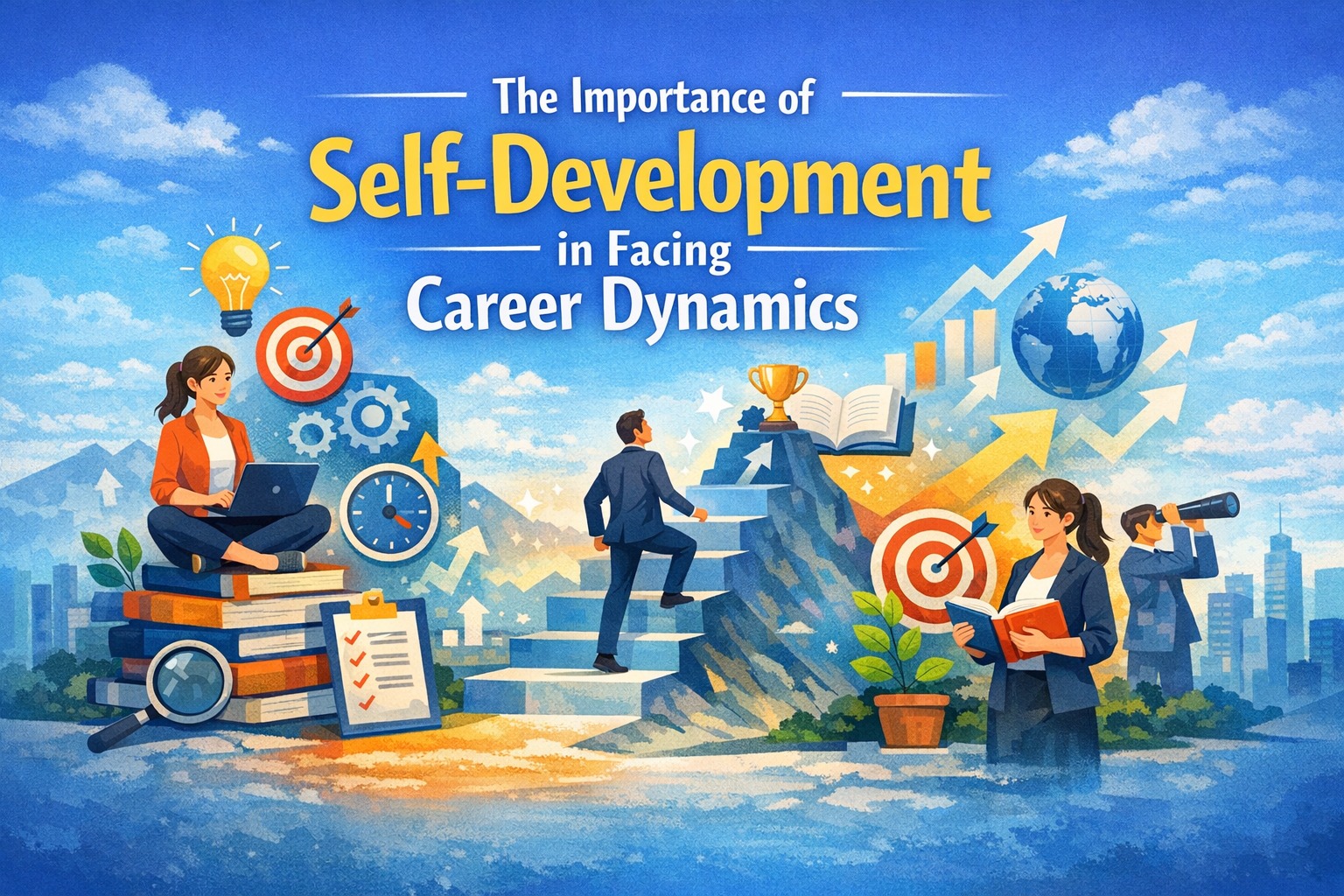
The modern workplace is constantly evolving, shaped by rapid technological advancements, shifting market demands, and global competition. Individuals are no longer able to rely solely on formal education or initial job training to sustain long-term career success. Instead, adaptability and continuous growth have become essential components in navigating professional life.
Career dynamics today require individuals to be more flexible and responsive to change. New roles emerge while others become obsolete, creating a landscape that demands both resilience and proactive learning. This environment challenges workers to continuously refine their skills and remain relevant in their respective industries.
Self-development plays a crucial role in helping individuals keep pace with these changes. It involves a conscious effort to improve personal and professional capabilities, ensuring that one remains competitive and prepared for future opportunities. Without this commitment, it becomes increasingly difficult to thrive in a dynamic career environment.
Understanding the importance of self-development is the first step toward building a sustainable career. By recognizing its value, individuals can begin to invest in themselves and develop strategies to face challenges with confidence and competence.
UNDERSTANDING SELF-DEVELOPMENT IN A PROFESSIONAL CONTEXT
Self-development refers to the ongoing process of improving one’s skills, knowledge, and personal qualities. In a professional context, it encompasses both hard skills, such as technical expertise, and soft skills, including communication, leadership, and emotional intelligence. This balanced growth is essential for long-term career success.
The process of self-development is highly individualized, as each person has unique strengths, weaknesses, and career goals. Some may focus on enhancing technical abilities, while others may prioritize interpersonal skills. Regardless of the focus, the key is consistency and a willingness to learn from experiences.
In today’s competitive job market, employers value individuals who demonstrate a commitment to self-improvement. This not only reflects a strong work ethic but also shows adaptability and initiative. Employees who actively engage in self-development are often more capable of handling complex tasks and contributing meaningfully to their organizations.
Moreover, self-development fosters a growth mindset, enabling individuals to view challenges as opportunities for learning rather than obstacles. This perspective is particularly important in navigating career dynamics, where change is inevitable and continuous adaptation is required.
THE ROLE OF SELF-DEVELOPMENT IN ADAPTING TO CHANGE
Change is an unavoidable aspect of modern careers, and the ability to adapt is a critical determinant of success. Self-development equips individuals with the tools and mindset needed to embrace change rather than resist it. Through continuous learning, individuals can stay ahead of industry trends and remain relevant in their fields.
One of the key benefits of self-development is increased confidence in facing uncertainty. When individuals actively improve their skills and knowledge, they are better prepared to handle new challenges and responsibilities. This confidence allows them to take calculated risks and seize opportunities that may arise.
Self-development also enhances problem-solving abilities, which are essential in a rapidly changing work environment. By developing critical thinking and analytical skills, individuals can effectively address complex issues and contribute innovative solutions. This not only benefits personal growth but also adds value to organizations.
Furthermore, individuals who prioritize self-development are more likely to remain motivated and engaged in their careers. Continuous improvement creates a sense of progress and achievement, which can lead to higher job satisfaction and long-term career fulfillment.
STRATEGIES FOR EFFECTIVE SELF-DEVELOPMENT
Developing an effective self-development strategy requires clear goals and a structured approach. Setting specific and achievable objectives helps individuals stay focused and measure their progress over time. These goals should align with both personal interests and professional aspirations.
Another important strategy is seeking continuous learning opportunities. This can include formal education, online courses, workshops, or self-directed study. By diversifying learning methods, individuals can gain a broader perspective and acquire a wide range of skills relevant to their careers.
Feedback is also a crucial component of self-development. Constructive input from peers, mentors, or supervisors provides valuable insights into areas that need improvement. By actively seeking and applying feedback, individuals can refine their abilities and enhance their performance.
Consistency is key in any self-development effort. Small, regular improvements can lead to significant long-term growth. By maintaining discipline and commitment, individuals can steadily build their capabilities and adapt effectively to the evolving demands of their careers.
CONCLUSION ON THE VALUE OF SELF-DEVELOPMENT
Self-development is no longer an optional aspect of career growth but a fundamental necessity in today’s dynamic professional landscape. It empowers individuals to remain competitive, adaptable, and resilient in the face of constant change.
By investing in self-development, individuals not only enhance their skills but also build confidence and a strong sense of purpose. This continuous growth enables them to navigate career challenges with greater ease and effectiveness.
Organizations also benefit from employees who prioritize self-development, as they bring innovation, adaptability, and a proactive mindset to the workplace. This creates a mutually beneficial relationship that supports both individual and organizational success.
Ultimately, self-development is a lifelong journey that requires dedication and persistence. Those who embrace this process are better equipped to face career dynamics and achieve sustainable success in an ever-changing world.