 English EN
  Indonesia ID

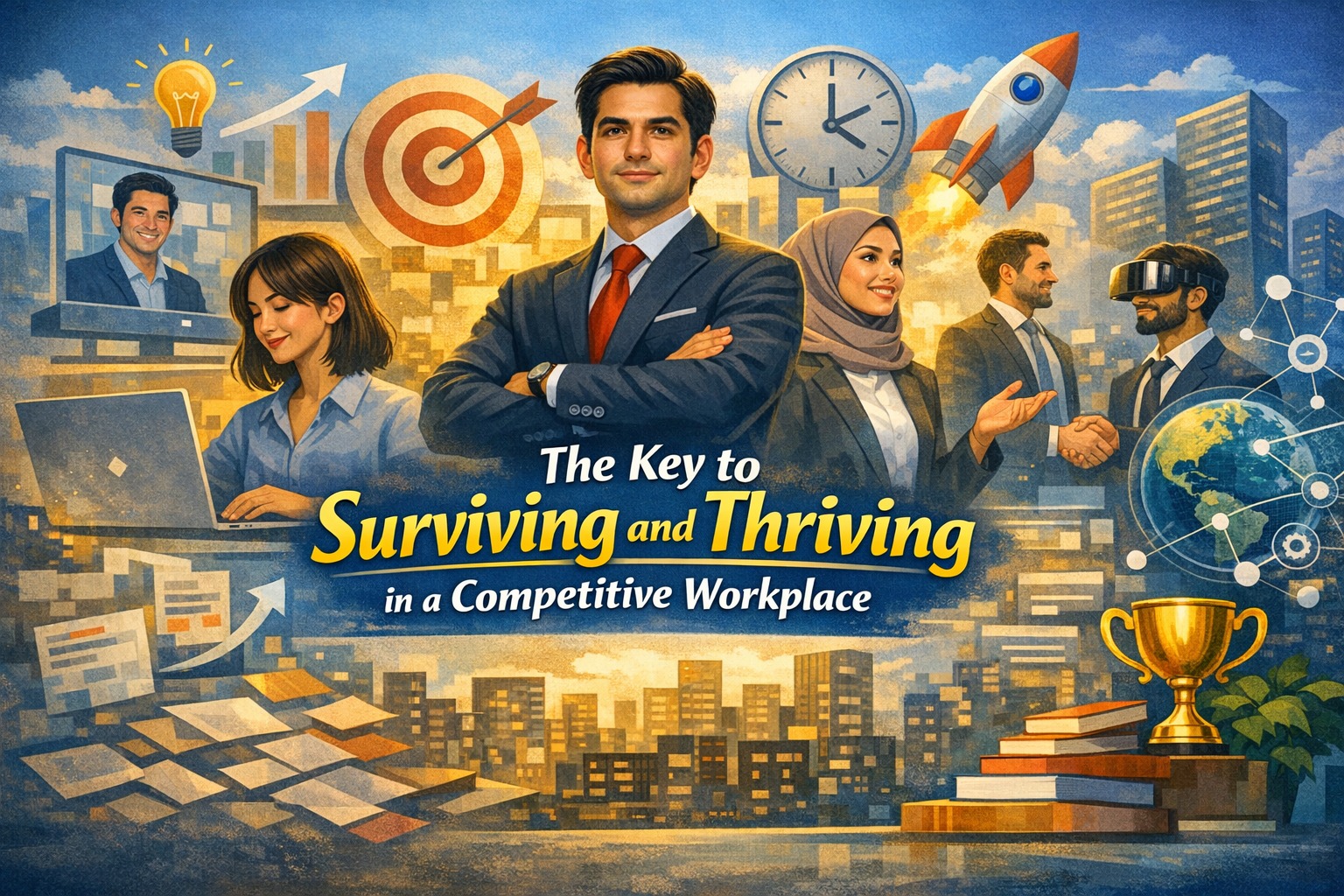
The modern workplace is evolving at an unprecedented pace, driven by technological advancements, globalization, and shifting organizational expectations. Employees are no longer evaluated solely on technical expertise, but also on their adaptability, mindset, and ability to collaborate. This reality demands a deeper awareness of how competition shapes professional growth and daily work dynamics.
In many industries, competition is no longer limited to local talent. Professionals are now competing on a global scale, where remote work and digital platforms have expanded access to opportunities. This creates both challenges and advantages, as individuals must consistently refine their skills to remain relevant in a crowded talent pool.
Moreover, workplace expectations have become more dynamic. Employers seek individuals who can handle uncertainty, think critically, and contribute beyond their job descriptions. This shift requires a proactive approach to learning and self-development, ensuring that employees are not left behind.
Understanding these conditions is the first step toward thriving. When individuals recognize the realities of the workplace, they can better position themselves to respond strategically rather than react passively to challenges.
BUILDING ADAPTABILITY AND CONTINUOUS LEARNING
Adaptability has become one of the most valuable traits in a competitive workplace. The ability to adjust to new tools, systems, and work environments allows individuals to remain effective even as conditions change. Those who resist change often struggle, while those who embrace it find opportunities for growth.
Continuous learning plays a crucial role in maintaining adaptability. Professionals who actively seek knowledge, whether through formal education or self-directed learning, are better equipped to handle evolving demands. This habit not only improves competence but also builds confidence in facing new challenges.
Learning is no longer confined to traditional settings. Online courses, professional communities, and hands-on experiences provide accessible ways to develop new skills. By taking initiative, individuals can stay ahead of trends and anticipate future industry needs.
Ultimately, adaptability and learning create resilience. When individuals continuously improve themselves, they are less likely to feel overwhelmed by competition and more capable of navigating uncertainty with clarity and purpose.
DEVELOPING STRONG SOFT SKILLS
Technical skills may open doors, but soft skills determine long-term success. Communication, teamwork, emotional intelligence, and problem-solving are essential in building strong professional relationships and maintaining productivity in diverse work environments.
Effective communication ensures that ideas are clearly expressed and understood. In a competitive workplace, the ability to convey thoughts confidently and listen actively can set individuals apart. Miscommunication often leads to inefficiency, while clarity fosters collaboration and trust.
Emotional intelligence is equally important. Understanding one’s own emotions and those of others helps in managing conflicts and building positive interactions. Professionals who demonstrate empathy and self-awareness are often seen as reliable and approachable.
In addition, teamwork remains a cornerstone of workplace success. No matter how skilled an individual is, the ability to collaborate with others enhances outcomes and strengthens organizational performance. Strong soft skills create a balanced professional profile that goes beyond technical ability.
MAINTAINING CONSISTENCY AND A GROWTH MINDSET
Consistency is a key factor in achieving long-term success. While talent and intelligence are important, consistent effort often determines who thrives in a competitive environment. Showing up, delivering quality work, and maintaining discipline over time build a strong professional reputation.
A growth mindset further strengthens this consistency. Individuals who believe that skills and abilities can be developed are more likely to embrace challenges and learn from failures. Instead of viewing setbacks as obstacles, they see them as opportunities to improve.
This mindset also encourages persistence. In competitive workplaces, rejection and criticism are inevitable. Those with a growth-oriented perspective are more resilient and better equipped to turn feedback into meaningful progress.
Combining consistency with a growth mindset creates a powerful foundation for success. It allows individuals to remain focused, motivated, and adaptable, even in the face of intense competition and changing expectations.