 English EN
  Indonesia ID

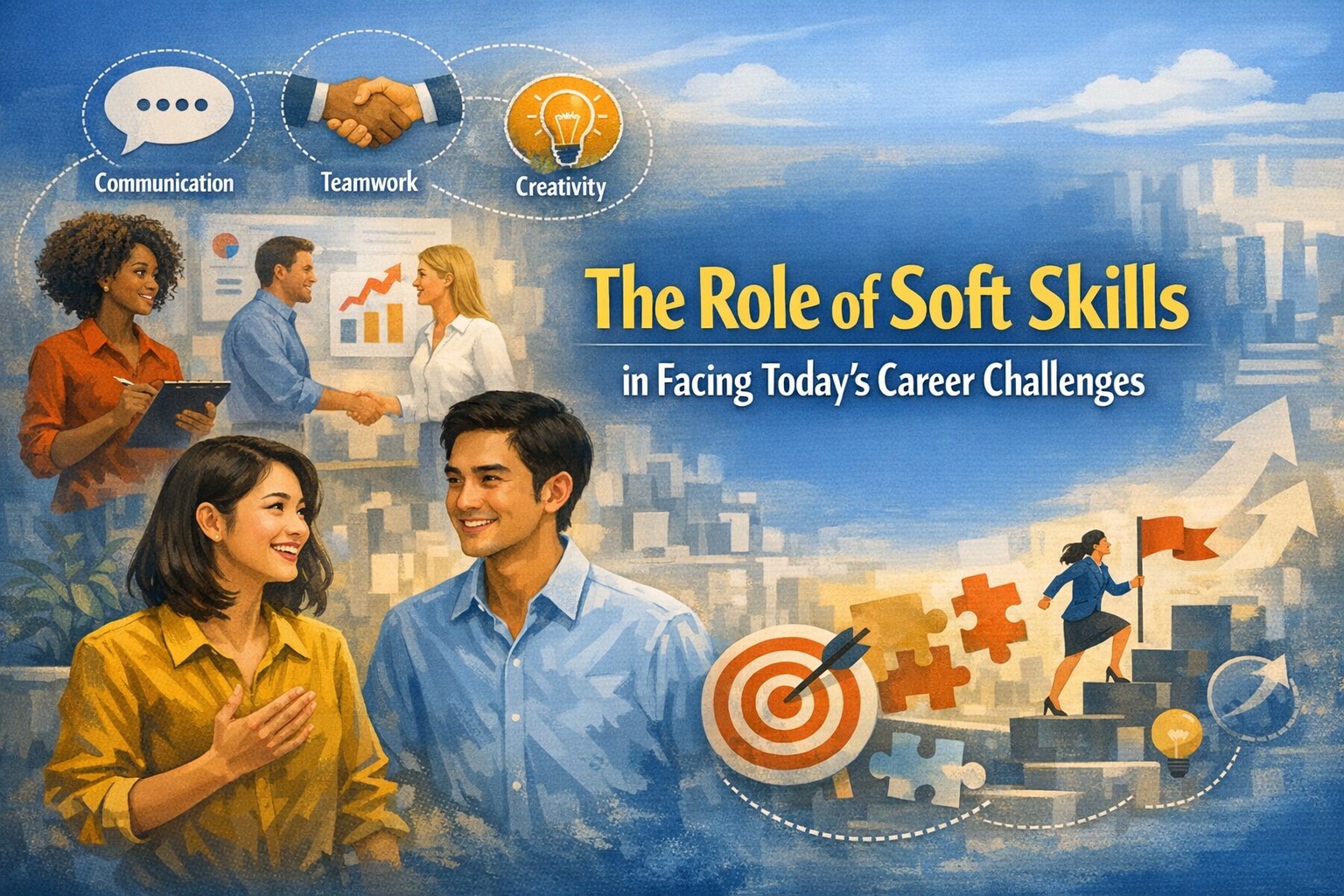
The modern workplace is evolving rapidly, shaped by technological advancement, globalization, and shifting organizational cultures. While technical expertise remains essential, it is no longer sufficient on its own. Employers increasingly seek individuals who can adapt, communicate, and collaborate effectively in diverse and dynamic environments. This shift has brought soft skills into the spotlight as a critical component of career success.
Soft skills refer to personal attributes and interpersonal abilities that influence how individuals interact with others and handle work situations. These include communication, teamwork, problem-solving, emotional intelligence, and adaptability. Unlike hard skills, which are specific and measurable, soft skills are more subtle but equally impactful in determining professional growth.
In today’s competitive job market, candidates with strong soft skills often stand out even when technical qualifications are similar. Organizations value employees who can work well under pressure, navigate conflicts, and contribute positively to team dynamics. As a result, soft skills are no longer considered optional but essential.
Understanding the role of soft skills is crucial for anyone aiming to succeed in their career. By developing these abilities, individuals can better respond to challenges, build meaningful professional relationships, and maintain long-term career resilience in an ever-changing world.
COMMUNICATION AS A CORE PROFESSIONAL SKILL
Effective communication lies at the heart of every successful workplace interaction. It involves not only conveying ideas clearly but also listening actively and understanding different perspectives. In professional settings, miscommunication can lead to errors, misunderstandings, and reduced productivity, making this skill highly valuable.
Strong communicators are able to express their thoughts confidently and adapt their message based on the audience. Whether it is presenting ideas in meetings, writing emails, or engaging in discussions, clarity and tone play a significant role. This ability helps build trust and ensures that tasks and expectations are well understood.
In addition to verbal communication, non-verbal cues such as body language, facial expressions, and tone of voice also influence how messages are received. Professionals who are aware of these elements can create more meaningful and effective interactions. This awareness contributes to stronger teamwork and collaboration.
As workplaces become more diverse and global, communication skills become even more important. Being able to interact with people from different cultural backgrounds requires sensitivity and openness. Developing this skill enables individuals to navigate complex social dynamics and work efficiently in multicultural environments.
ADAPTABILITY IN A RAPIDLY CHANGING WORK ENVIRONMENT
The pace of change in today’s professional landscape demands a high level of adaptability. New technologies, shifting market demands, and unexpected challenges require individuals to adjust quickly and effectively. Those who resist change may struggle to keep up, while adaptable individuals are more likely to thrive.
Adaptability involves being open to new ideas, learning continuously, and staying flexible in uncertain situations. It allows professionals to handle transitions smoothly, whether it is adopting new tools, adjusting to organizational changes, or taking on new roles. This mindset is essential for long-term career growth.
Employers value adaptable individuals because they can contribute to innovation and problem-solving. When faced with challenges, these individuals are more likely to explore creative solutions rather than becoming overwhelmed. This proactive approach enhances both individual performance and organizational success.
Furthermore, adaptability supports personal development. By embracing change, individuals can expand their skill sets, gain new experiences, and build confidence in their abilities. This continuous growth makes them more resilient and better prepared for future career challenges.
EMOTIONAL INTELLIGENCE AND TEAM COLLABORATION
Emotional intelligence plays a crucial role in how individuals manage their own emotions and interact with others. It includes self-awareness, empathy, and the ability to regulate emotional responses. In the workplace, these qualities contribute to a more harmonious and productive environment.
Individuals with high emotional intelligence are better equipped to handle stress and maintain professionalism in difficult situations. They can recognize their own emotional triggers and respond thoughtfully rather than react impulsively. This control is essential for maintaining positive relationships at work.
Empathy, a key component of emotional intelligence, allows individuals to understand and relate to the feelings of others. This understanding fosters stronger connections among team members and encourages a supportive work culture. Teams with empathetic members tend to collaborate more effectively and resolve conflicts more constructively.
In collaborative environments, emotional intelligence enhances teamwork by promoting mutual respect and open communication. It helps individuals navigate differences, build trust, and work toward shared goals. As teamwork becomes increasingly important in modern organizations, emotional intelligence stands out as a vital soft skill.
PROBLEM-SOLVING AND CRITICAL THINKING IN THE WORKPLACE
Problem-solving and critical thinking are essential skills for addressing complex challenges in today’s careers. These abilities enable individuals to analyze situations, identify potential solutions, and make informed decisions. In a fast-paced work environment, quick and effective problem-solving can make a significant difference.
Critical thinking involves evaluating information objectively and considering multiple perspectives before reaching a conclusion. This skill helps individuals avoid biases and make rational decisions based on evidence. It is particularly important in roles that require strategic planning and decision-making.
Effective problem-solvers approach challenges with a structured mindset. They break down problems into manageable parts, explore different options, and assess potential outcomes. This systematic approach increases the likelihood of finding practical and sustainable solutions.
In addition, strong problem-solving skills contribute to innovation. By thinking creatively and exploring new ideas, individuals can develop unique solutions that drive progress. This ability not only benefits organizations but also enhances personal career development by demonstrating initiative and capability.