 English EN
  Indonesia ID

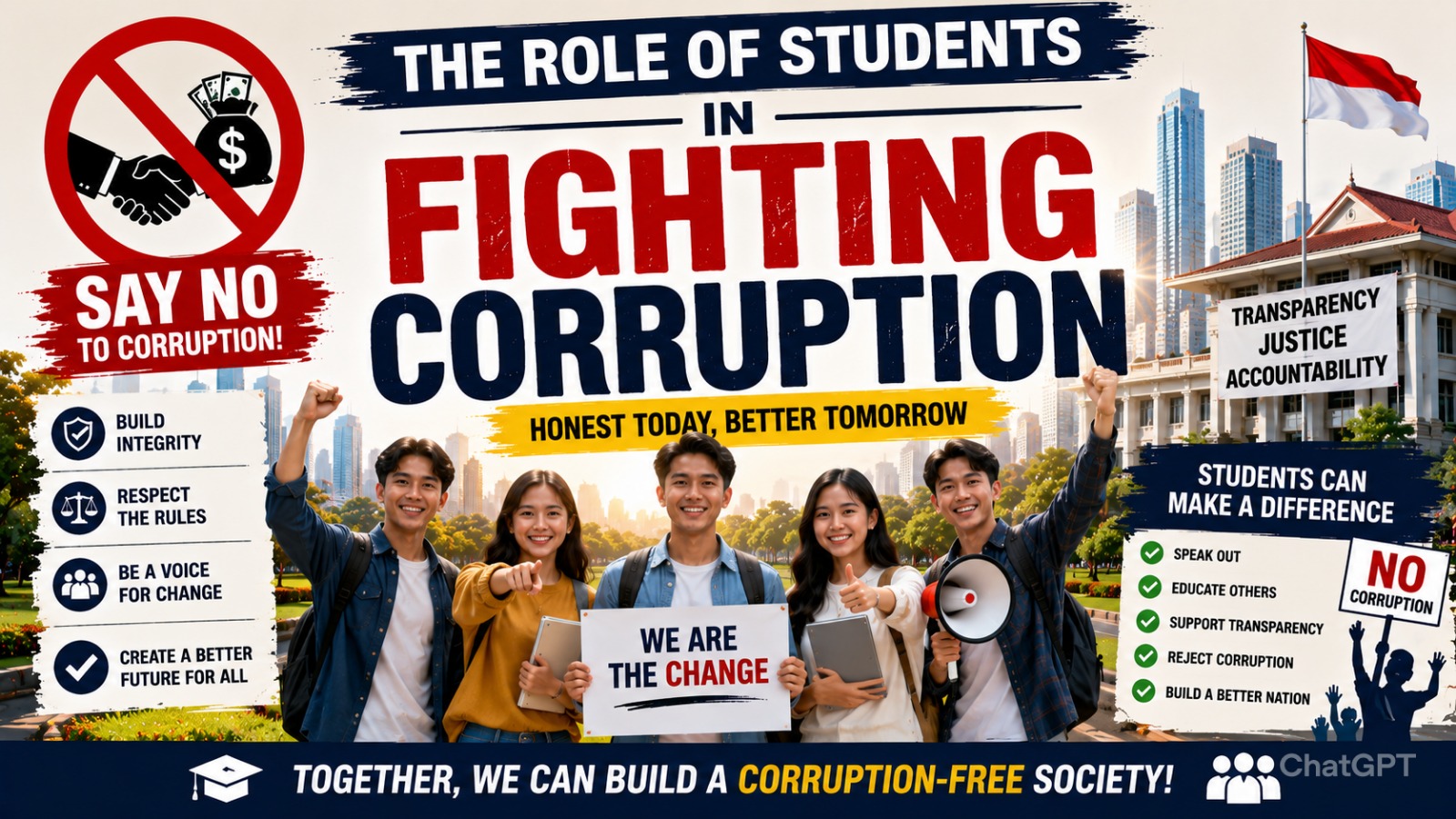
Corruption is one of the biggest obstacles to national development and social justice. It damages public trust, weakens the economy, and reduces the quality of education and public services. Because of its harmful impact, fighting corruption has become a shared responsibility for all members of society, including students.
Students play an important role as future leaders and agents of change. With knowledge, creativity, and critical thinking, students can help build a culture of honesty and integrity. By taking positive actions, students can contribute to creating a cleaner and more transparent society.
 0-8888-9999-64
 pmb.stekom.ac.id/2727
UNDERSTANDING THE DANGERS OF CORRUPTION
Before fighting corruption, students need to understand how dangerous corruption can be for society and the future of a nation. Corruption causes financial losses, increases poverty, and slows economic growth.
It also creates injustice because public resources that should benefit everyone are often misused for personal interests. In education, corruption can reduce learning quality and limit opportunities for students from disadvantaged backgrounds.
By understanding these dangers, students can become more aware of the importance of honesty and responsibility in everyday life.
STUDENTS AS AGENTS OF CHANGE
Students are often called agents of change because they have the power to influence society through ideas, education, and social movements. Young people are known for their energy, innovation, and willingness to create positive transformation.
Students can organize seminars, discussions, and educational campaigns about anti-corruption values. They can also encourage their peers to reject dishonest behavior and support fairness in schools and communities.
Through active participation, students can inspire others to create a culture that values integrity and transparency.
PROMOTING HONESTY IN DAILY LIFE
Fighting corruption starts with small actions in daily life. Students can practice honesty by avoiding cheating, respecting rules, and taking responsibility for their work.
Simple habits such as completing assignments honestly and refusing unfair advantages help build strong moral character. These actions may seem small, but they create a foundation for integrity in the future.
When honesty becomes a habit, students are more likely to reject corruption in larger situations later in life.
USING SOCIAL MEDIA FOR AWARENESS
In the digital era, social media has become a powerful platform for spreading information and influencing public opinion. Students can use social media to educate people about the dangers of corruption and the importance of transparency.
Creative content such as videos, posters, blogs, and online campaigns can help raise awareness among young audiences. Positive digital movements can encourage more people to support anti-corruption efforts.
By using technology wisely, students can become influential voices for honesty and justice.
THE ROLE OF EDUCATION IN BUILDING INTEGRITY
Schools and universities have an important responsibility in developing students’ character and integrity. Education should not only focus on academic achievement but also on moral values and ethical behavior.
Teachers and lecturers can encourage integrity by becoming good role models and creating fair learning environments. Character education programs can also help students understand the importance of discipline, responsibility, and honesty.
A strong educational system can produce graduates who are capable, ethical, and committed to fighting corruption.
STUDENT PARTICIPATION IN COMMUNITY ACTIVITIES
Students can contribute to anti-corruption efforts through community service and social activities. Participating in volunteer programs, public discussions, and youth organizations can strengthen social responsibility and leadership skills.
Community involvement also helps students understand real social problems and encourages them to find solutions for positive change. Working together with local communities can build stronger awareness about transparency and accountability.
Active participation in society prepares students to become responsible citizens in the future.
BUILDING A BETTER FUTURE THROUGH INTEGRITY
Integrity is one of the most important values that students should develop. A nation can only achieve sustainable progress when its young generation values honesty, fairness, and accountability.
By rejecting corruption and promoting ethical behavior, students can help build a future with equal opportunities and stronger public trust. Small positive actions taken today can create meaningful changes for tomorrow.
Students who uphold integrity will become future leaders capable of guiding society toward justice and prosperity.
CONCLUSION
Students have a vital role in fighting corruption and promoting honesty in society. Through education, social awareness, and daily ethical behavior, students can help create a culture of integrity and transparency.
Fighting corruption begins with simple actions, such as being honest, responsible, and fair in everyday life. With strong character and active participation, students can become the driving force behind a cleaner, more just, and corruption-free future.