 English EN
  Indonesia ID

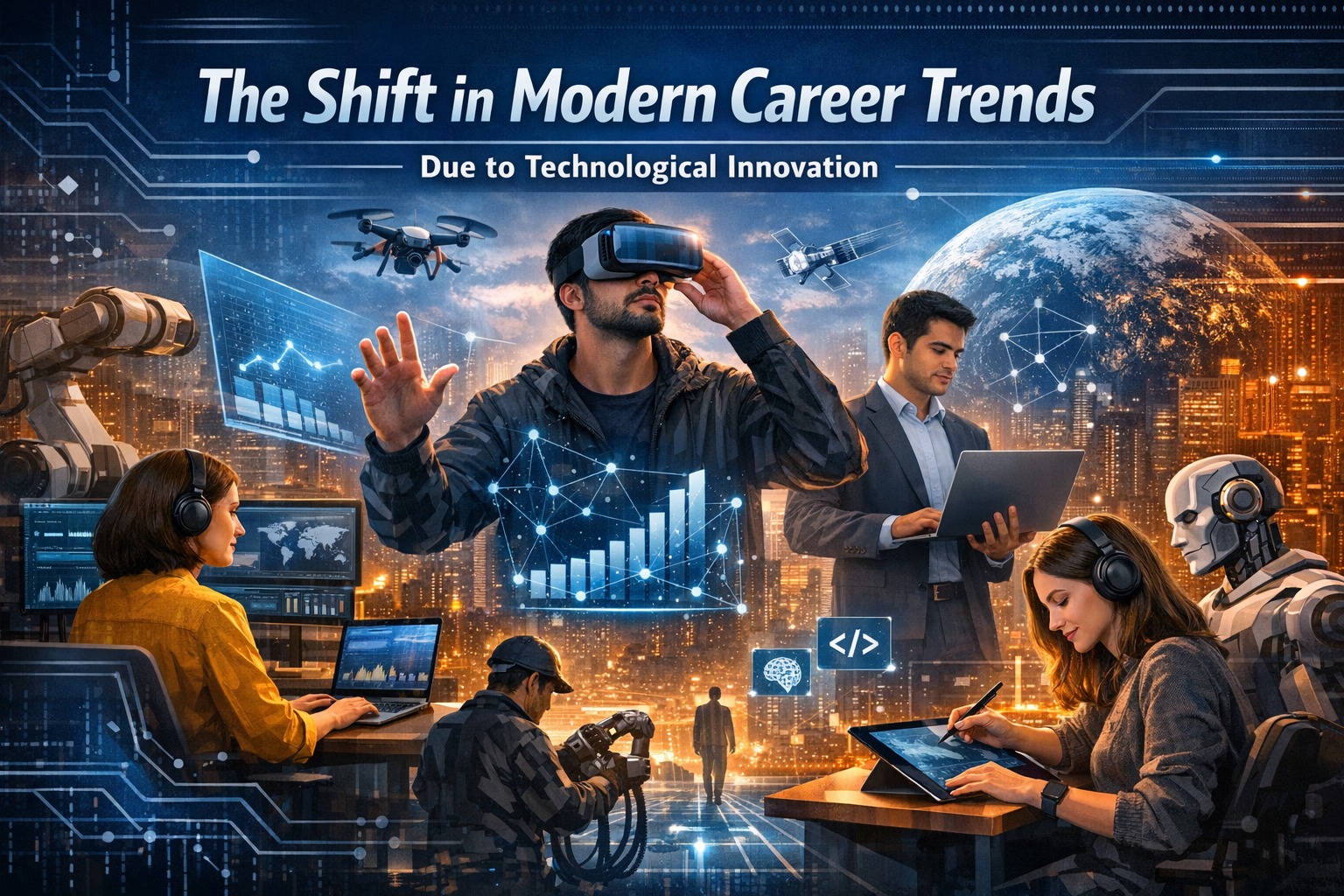
The modern workforce is undergoing a profound transformation driven by rapid technological advancement. Innovations such as artificial intelligence, automation, and digital communication tools are reshaping how people work, where they work, and the types of careers available. As industries evolve, traditional job roles are being redefined while entirely new professions are emerging.
This shift is not only affecting large corporations but also influencing small businesses, startups, and independent professionals. The accessibility of technology has lowered barriers to entry in many fields, allowing individuals to pursue careers that were once limited to specific geographic or economic conditions. As a result, career paths today are more dynamic and less predictable than in previous decades.
In addition, the pace of change has accelerated the need for adaptability among workers. Employees are now expected to continuously update their skills to remain relevant in an ever-changing job market. Lifelong learning has become a necessity rather than an option, shaping a new mindset toward professional growth and development.
Ultimately, the evolution of careers in the digital age reflects a broader transformation in how society values work. Flexibility, innovation, and digital competence are becoming central to career success, marking a clear departure from traditional employment models.
THE IMPACT OF TECHNOLOGICAL INNOVATION ON JOB STRUCTURES
Technological innovation has significantly altered the structure of jobs across various industries. Automation, for instance, has replaced repetitive and manual tasks, allowing companies to operate more efficiently. While this has raised concerns about job displacement, it has also created opportunities for more complex and creative roles that require human insight.
Many organizations are restructuring their workforce to integrate technology into their operations. This often involves combining technical expertise with soft skills such as problem-solving and communication. As a result, hybrid roles are becoming increasingly common, blending responsibilities that were previously separated into distinct positions.
Remote work is another major outcome of technological advancement. Digital tools have enabled employees to collaborate from different locations, reducing the need for physical office spaces. This has led to a more flexible work environment, where individuals can balance professional responsibilities with personal commitments more effectively.
Moreover, the gig economy has expanded as technology connects freelancers with clients worldwide. Platforms and digital marketplaces allow individuals to offer specialized services on demand, creating a shift away from traditional full-time employment. This new job structure emphasizes independence and flexibility, redefining what it means to have a stable career.
EMERGING SKILLS AND COMPETENCIES FOR THE FUTURE WORKFORCE
As technology continues to evolve, the demand for new skills is rapidly increasing. Technical competencies such as data analysis, programming, and digital literacy are becoming essential in many professions. However, these hard skills alone are not sufficient to ensure long-term success in the modern workforce.
Employers are placing greater emphasis on soft skills that complement technological expertise. Critical thinking, adaptability, and emotional intelligence are highly valued because they enable individuals to navigate complex and unpredictable work environments. These skills are particularly important in roles that involve collaboration and innovation.
Another important competency is the ability to learn continuously. With new tools and systems being introduced regularly, workers must be willing to update their knowledge and adapt to change. This has led to the rise of online learning platforms and professional development programs that support ongoing education.
Furthermore, creativity and problem-solving are becoming key differentiators in the job market. While machines can handle routine tasks, human creativity remains essential for developing new ideas and solutions. This shift highlights the importance of a balanced skill set that integrates both technical and human-centered abilities.
CHALLENGES AND OPPORTUNITIES IN ADAPTING TO CAREER TRANSFORMATION
Despite the many opportunities created by technological innovation, adapting to these changes presents several challenges. One of the main concerns is the potential for job displacement, particularly in industries that rely heavily on automation. Workers in these sectors may need to transition to new roles, which can be both difficult and time-consuming.
Another challenge is the growing gap between those who have access to technology and those who do not. Digital inequality can limit opportunities for certain groups, making it harder for them to compete in the modern job market. Addressing this issue requires investment in education and infrastructure to ensure equal access to digital resources.
At the same time, technological transformation offers significant opportunities for career growth. Individuals who embrace change and develop relevant skills can access a wider range of job options. The global nature of digital work also allows professionals to collaborate with people from different cultures and backgrounds, enriching their experiences.
In conclusion, the shift in modern career trends due to technological innovation is both complex and transformative. While it presents challenges, it also opens the door to new possibilities for those who are willing to adapt. By developing the right skills and maintaining a flexible mindset, individuals can navigate this evolving landscape and build successful careers in the digital age.