 English EN
  Indonesia ID

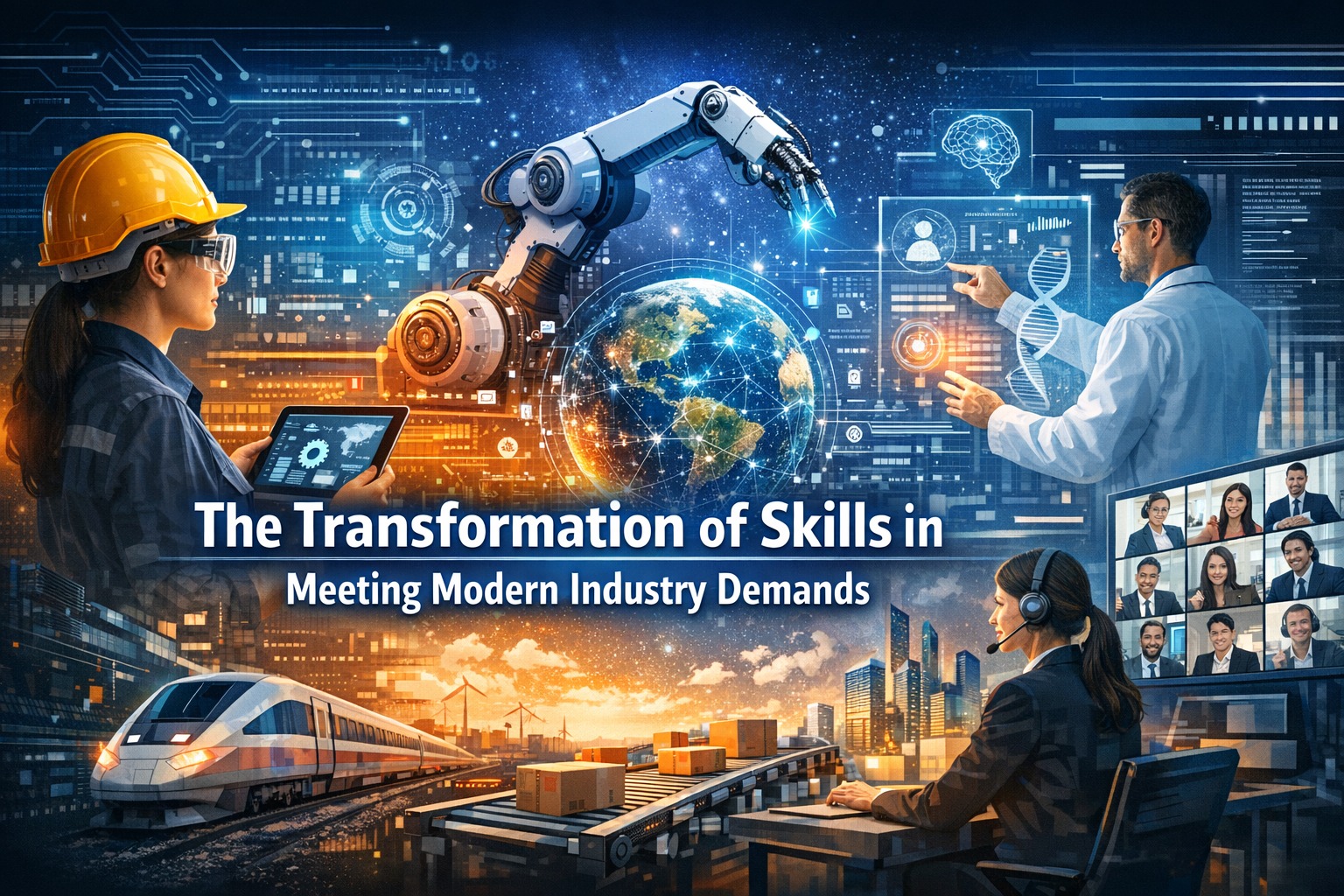
The modern workplace is undergoing a profound transformation driven by rapid technological advancements, globalization, and evolving business models. Industries that once relied heavily on routine tasks are now shifting toward more dynamic and knowledge-based operations. This change has significantly altered the types of skills that employers value, creating both challenges and opportunities for the workforce.
In the past, technical expertise alone was often enough to secure long-term employment. However, in today’s environment, the ability to adapt and continuously learn has become just as important as specialized knowledge. Automation and artificial intelligence are reshaping job roles, pushing workers to develop skills that cannot easily be replaced by machines.
This transformation is not limited to a single sector. From manufacturing to digital services, organizations are redefining job requirements to align with innovation and efficiency. As a result, individuals must rethink their career development strategies to stay relevant in an increasingly competitive job market.
Understanding this shift is essential for anyone preparing to enter or remain in the workforce. By recognizing the changing demands of modern industries, individuals can better position themselves for sustainable career growth and long-term success.
THE RISE OF DIGITAL AND TECHNOLOGICAL COMPETENCIES
One of the most significant changes in skill demands is the growing importance of digital literacy. Basic computer skills are no longer sufficient; workers are now expected to understand data analysis, digital communication tools, and emerging technologies. This shift reflects the integration of technology into nearly every aspect of business operations.
Industries are increasingly relying on data-driven decision-making processes. As a result, skills such as data interpretation, critical thinking, and familiarity with digital platforms have become essential. Employees who can analyze trends and translate data into actionable insights are highly valued in today’s workforce.
In addition to technical capabilities, the ability to learn new technologies quickly is a critical advantage. With constant innovation, tools and systems evolve rapidly, requiring workers to stay updated. Lifelong learning has become a necessity rather than an option, encouraging individuals to continuously upgrade their knowledge.
The rise of remote work and digital collaboration has further emphasized the importance of technological competence. Professionals must now navigate virtual environments effectively, demonstrating proficiency in communication tools and maintaining productivity without direct supervision.
THE INCREASING VALUE OF SOFT SKILLS
While technical skills are crucial, soft skills have become equally important in meeting modern industry demands. Employers are placing greater emphasis on qualities such as communication, teamwork, adaptability, and emotional intelligence. These skills enable individuals to work effectively in diverse and fast-paced environments.
Communication, in particular, plays a vital role in ensuring collaboration across teams and departments. As organizations become more interconnected, the ability to convey ideas clearly and listen actively is essential. Strong communication skills can significantly enhance workplace efficiency and reduce misunderstandings.
Adaptability is another key soft skill in today’s evolving job market. Workers must be prepared to handle changes in technology, job roles, and organizational structures. Those who can quickly adjust to new circumstances are more likely to thrive in uncertain environments.
Emotional intelligence also contributes to professional success by helping individuals manage stress, resolve conflicts, and build positive relationships. In a workplace that increasingly values collaboration and innovation, the ability to understand and respond to others’ emotions is a valuable asset.
STRATEGIES FOR DEVELOPING FUTURE-READY SKILLS
To meet the demands of modern industries, individuals must take a proactive approach to skill development. This involves identifying relevant competencies and seeking opportunities to enhance them through education, training, and practical experience. A clear understanding of industry trends can guide this process effectively.
Continuous learning is a fundamental strategy for staying competitive. Online courses, workshops, and professional certifications provide accessible ways to acquire new skills. By engaging in lifelong learning, individuals can remain adaptable and prepared for future challenges.
Networking and professional engagement also play a crucial role in skill development. Interacting with industry professionals allows individuals to gain insights, share knowledge, and stay informed about emerging trends. These connections can open doors to new opportunities and career advancement.
Finally, practical application of skills is essential for mastery. Gaining hands-on experience through internships, projects, or freelance work helps individuals build confidence and demonstrate their abilities. This combination of learning and practice ensures readiness for the evolving demands of modern industries.