 English EN
  Indonesia ID

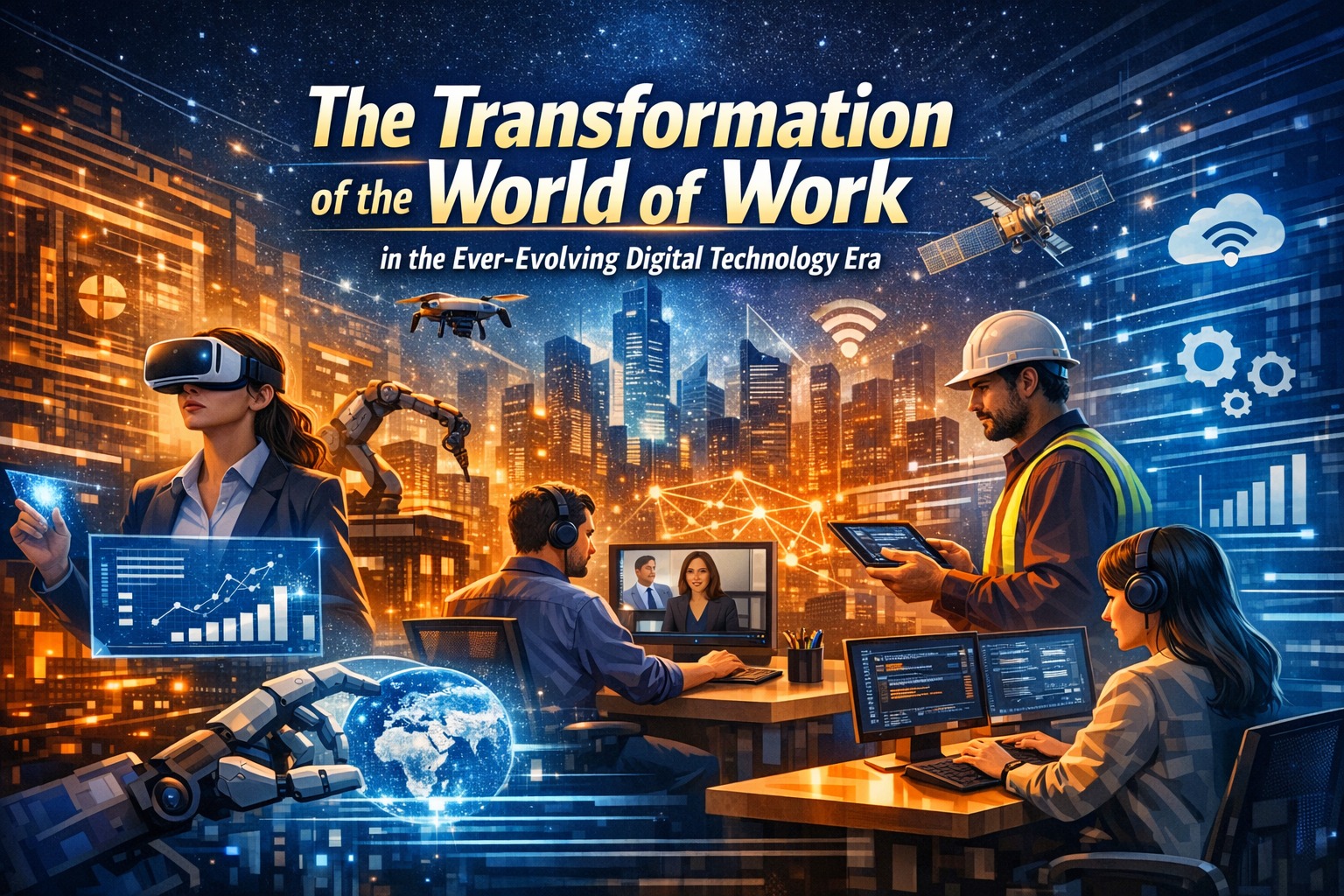
The rapid advancement of digital technology has fundamentally reshaped the way people work across industries. From automation to cloud computing, businesses are continuously integrating new tools to increase efficiency and productivity. This transformation is not limited to large corporations, as small and medium enterprises are also adopting digital solutions to remain competitive in a fast-changing environment.
One of the most visible impacts of digital technology is the shift from traditional office-based work to more flexible arrangements. Remote work, freelance platforms, and hybrid systems have become increasingly common, allowing individuals to work from virtually anywhere. This flexibility has redefined work-life balance and opened up global opportunities for both employers and employees.
In addition, digital tools have streamlined communication and collaboration. Platforms for virtual meetings, project management, and real-time messaging have reduced geographical barriers. Teams can now collaborate across continents as easily as if they were in the same room, creating a more connected global workforce.
However, this transformation also introduces new challenges. The reliance on technology requires workers to continuously adapt and learn new skills. Those who fail to keep up with technological changes risk being left behind, highlighting the importance of lifelong learning in today’s workforce.
THE SHIFT IN SKILLS DEMAND IN A DIGITAL ECONOMY
As technology continues to evolve, the demand for skills in the workforce has also undergone a significant shift. Technical skills such as data analysis, coding, and digital literacy are becoming increasingly valuable. Employers are seeking individuals who can navigate complex digital systems and leverage technology to solve problems effectively.
At the same time, soft skills remain essential in the modern workplace. Communication, critical thinking, and adaptability are highly sought after, especially in environments where change is constant. The ability to collaborate with diverse teams and manage uncertainty has become a defining characteristic of successful professionals.
Moreover, the rise of automation has changed the nature of many jobs. Routine tasks are increasingly handled by machines, allowing humans to focus on more strategic and creative roles. This shift emphasizes the importance of innovation and the ability to think beyond repetitive processes.
Education systems and training programs are also evolving to meet these new demands. Online courses, digital certifications, and self-paced learning platforms provide accessible opportunities for individuals to upskill. This democratization of education enables more people to participate in the digital economy.
THE EMERGENCE OF NEW CAREER PATHS AND OPPORTUNITIES
The digital era has given rise to entirely new career paths that did not exist a few decades ago. Roles such as digital marketers, data scientists, and content creators have become integral to modern businesses. These professions reflect the growing importance of digital presence and data-driven decision-making.
In addition to creating new jobs, technology has also transformed traditional roles. For instance, marketing professionals now rely heavily on analytics and social media strategies, while educators incorporate digital tools into their teaching methods. This blending of traditional and digital skills is becoming the norm in many industries.
Entrepreneurship has also been revolutionized by digital technology. Individuals can now start businesses with minimal capital by leveraging online platforms. E-commerce, digital services, and remote consulting have lowered entry barriers, enabling more people to pursue independent career paths.
Despite these opportunities, competition in the digital space is intensifying. With access to global markets, professionals must differentiate themselves by building strong personal brands and continuously improving their expertise. Success in this environment requires both creativity and strategic thinking.
CHALLENGES AND FUTURE DIRECTIONS OF THE DIGITAL WORKPLACE
While the digital transformation of work offers numerous benefits, it also presents significant challenges. One of the primary concerns is job displacement due to automation. As machines become more capable, certain roles may become obsolete, creating uncertainty for workers in affected industries.
Another challenge is the issue of digital inequality. Not everyone has equal access to technology and the internet, which can limit opportunities for certain groups. Bridging this gap is essential to ensure that the benefits of digital transformation are shared more equitably across society.
Cybersecurity and data privacy are also critical concerns in the digital workplace. As organizations rely more on digital systems, they become more vulnerable to cyber threats. Protecting sensitive information and maintaining trust are key priorities for businesses operating in this environment.
Looking ahead, the future of work will likely be shaped by continued technological innovation. Artificial intelligence, automation, and advanced analytics will further redefine job roles and organizational structures. To thrive in this evolving landscape, individuals and organizations must remain adaptable, proactive, and committed to continuous growth.