 English EN
  Indonesia ID

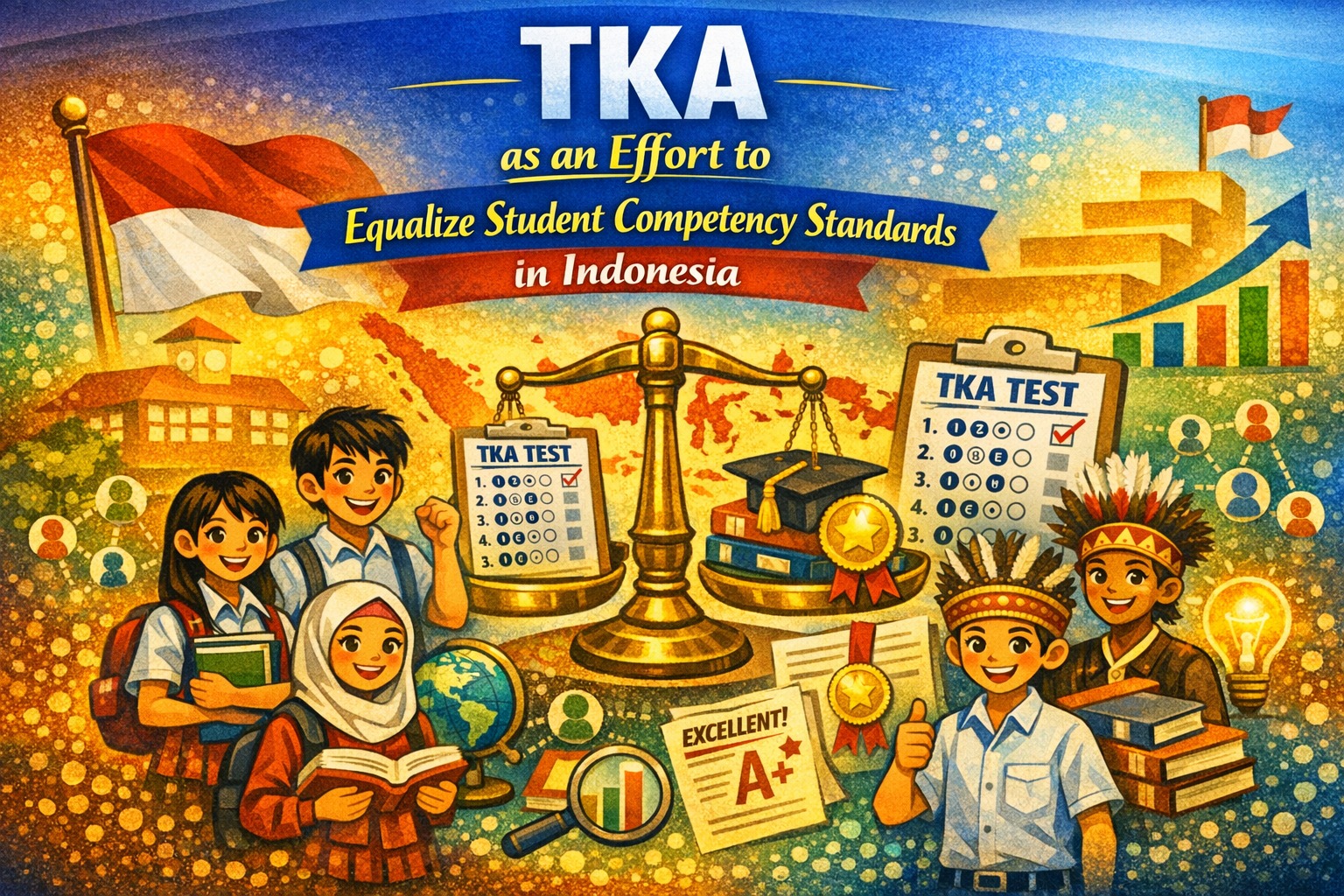
The Academic Competency Test, known as TKA, has become a strategic effort to equalize student competency standards across Indonesia. In a country with diverse educational backgrounds and regional differences, ensuring equal academic quality is a major challenge. TKA offers a standardized assessment system that helps measure student abilities consistently, regardless of where they study.
By implementing TKA, the education system can create a more balanced and fair evaluation framework. This approach allows educators and policymakers to identify gaps in student competencies and take necessary actions to address them. As a result, TKA plays a vital role in building a more equitable and high-quality education system in Indonesia.
CREATING UNIFORM ACADEMIC BENCHMARKS
One of the key roles of TKA is to create uniform academic benchmarks for students across different regions. Without standardized benchmarks, it becomes difficult to compare student performance and ensure consistent educational quality. TKA provides a clear reference point that defines the expected level of student competency at each stage of education.
Uniform benchmarks also help teachers align their teaching strategies with national standards. By understanding what students are expected to achieve, educators can design lessons that meet these objectives. This alignment ensures that students receive a consistent learning experience, regardless of their school or location.
Furthermore, having common benchmarks supports accountability within the education system. Schools are encouraged to meet these standards and continuously improve their performance. This fosters a culture of excellence and drives overall improvement in educational quality.
REDUCING EDUCATIONAL DISPARITIES
TKA plays a significant role in reducing educational disparities across Indonesia. Differences in resources, infrastructure, and teaching quality often lead to unequal learning outcomes. Through standardized assessment, TKA helps identify these disparities and provides data that can be used to address them.
By analyzing TKA results, policymakers can determine which regions or schools require additional support. This targeted approach allows for more effective allocation of resources, ensuring that underperforming areas receive the attention they need. As a result, the gap between high-performing and low-performing students can be gradually reduced.
In addition, reducing disparities contributes to a more inclusive education system. When all students have access to equal opportunities, they are more likely to achieve their full potential. TKA supports this goal by ensuring that every student is evaluated fairly and consistently.
SUPPORTING DATA DRIVEN DECISION MAKING
Another important aspect of TKA is its ability to support data driven decision making in education. The results of the test provide valuable insights into student performance at various levels. This data helps educators and policymakers make informed decisions to improve the quality of education.
With accurate data, it becomes easier to identify trends and patterns in learning outcomes. For example, if students consistently struggle in certain subjects, it may indicate a need for curriculum adjustments or teacher training. This evidence based approach ensures that improvements are targeted and effective.
Moreover, data driven decisions help optimize the use of educational resources. Schools can focus their efforts on areas that need the most attention, maximizing the impact of their initiatives. This leads to a more efficient and responsive education system.
ENCOURAGING STUDENT COMPETENCY DEVELOPMENT
TKA also encourages the development of student competencies by setting clear academic expectations. When students understand the standards they need to achieve, they are more motivated to improve their performance. This creates a goal oriented learning environment that promotes academic growth.
In addition, TKA helps students identify their strengths and weaknesses. This awareness allows them to focus on areas that need improvement and build on their existing abilities. As a result, students become more active participants in their own learning process.
Furthermore, competency based assessment prepares students for future challenges. By developing critical thinking, problem solving, and analytical skills, TKA equips students with the tools they need to succeed in higher education and the workforce. This makes learning more meaningful and relevant.
PROMOTING FAIRNESS AND EDUCATIONAL EQUITY
Fairness is a fundamental principle in education, and TKA plays a crucial role in promoting it. By using standardized criteria, TKA ensures that all students are evaluated equally. This reduces bias and creates a more transparent assessment process.
TKA also helps ensure that students from different backgrounds are given the same opportunities to succeed. By identifying gaps in performance, educators can implement targeted interventions to support disadvantaged students. This contributes to a more equitable education system.
Additionally, promoting fairness through TKA builds trust among students, parents, and educators. When the assessment system is seen as reliable and unbiased, stakeholders are more likely to support educational initiatives. This trust is essential for creating a positive and collaborative learning environment.
CONCLUSION
In conclusion, TKA serves as an effective effort to equalize student competency standards in Indonesia. It creates uniform benchmarks, reduces educational disparities, supports data driven decision making, encourages competency development, and promotes fairness in education. These roles make TKA a vital component of a modern education system.
As Indonesia continues to improve its education quality, the implementation of TKA will remain essential. By ensuring consistent and fair assessment, TKA helps build a stronger foundation for students and supports the nation’s long term development goals.